Planning a weekend getaway or an extended outdoor holiday requires careful consideration of your shelter. While manufacturers often rate tents strictly by sleeping capacity, experienced campers know that standard ratings can feel cramped once you factor in sleeping bags, backpacks, and changing weather. Choosing a spacious 3-person tent bridges the gap between portability and true livable comfort, giving solo campers luxury sprawl or accommodating two adults and gear without crowding. When browsing the selection at Towsure, evaluating how a shelter fits both your outdoor adventures and your home storage situation is the secret to a successful investment.
For both homeowners with expansive garage storage and renters working with limited apartment closets, selecting the right outdoor shelter involves looking beyond basic waterproof ratings. A well-designed 3-person tent should offer adequate headroom, a functional vestibule for muddy boots, and a packed size that respects your living space. By focusing on practical design criteria rather than marketing claims, you can find a reliable tent that performs reliably under unpredictable weather conditions while remaining easy to live with year-round.
The Value of Upgrading to a 3-Person Footprint
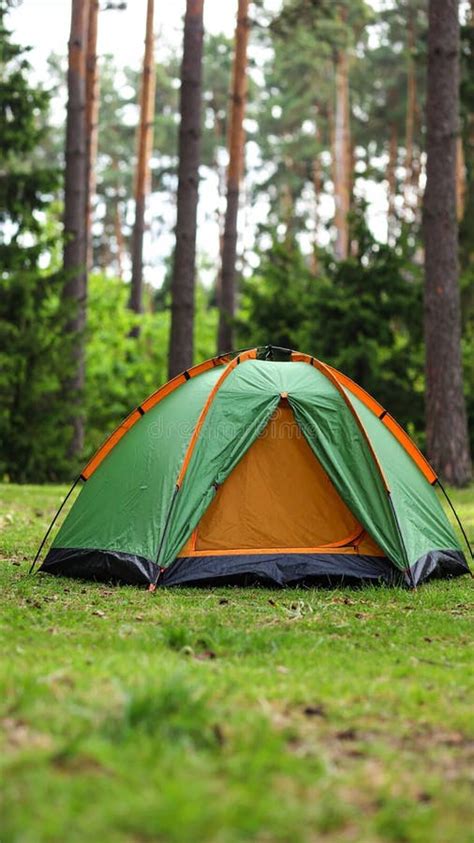
Buying a tent rated for one more person than your actual headcount is a classic recommendation among outdoor enthusiasts, and for good reason. A standard 2-person model is usually built to tightly fit two sleeping pads side by side with virtually zero floor space left over for personal belongings. Stepping up to a spacious 3-person tent transforms your interior experience, allowing room for wide insulated mats, duffel bags, and even a small bedside organizer.
Beyond floor area, additional headroom is a major quality-of-life advantage found in quality 3-person designs. Tents featuring near-vertical wall designs or cross-pole architectures prevent the dreaded sloping ceiling from brushing against your face while you sleep. This extra vertical dimension makes changing clothes inside the tent much easier and reduces condensation buildup by improving interior air circulation. For campers who value comfort after a long day of hiking, these modest architectural upgrades yield significant dividends.
Balancing Living Situations: Homeowners Versus Renters
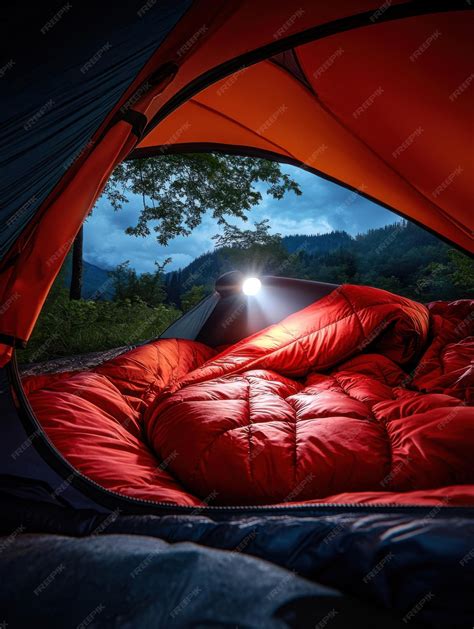
Your permanent living situation plays an underappreciated role in how you should shop for camping gear. Homeowners typically enjoy the luxury of dedicated storage areas like garden sheds, basements, or expansive garages. This flexibility means you can comfortably select larger, heavier-duty 3-person tents that feature robust steel or thick fiberglass poles, heavier canvas blends, and voluminous carrying bags without worrying about footprint constraints.
Conversely, renters often navigate tight architectural constraints such as hallway hall closets, compact studio apartments, or shared basement lockers. If you rent your home, your priority should lean toward lightweight aluminum pole sets, compression-capable stuff sacks, and modular packing systems that stow away neatly during the off-season. Evaluating these logistical realities before purchasing ensures that your weekend shelter does not become an unwieldy obstacle inside your living quarters when autumn arrives.
Key Performance Metrics to Review at Towsure
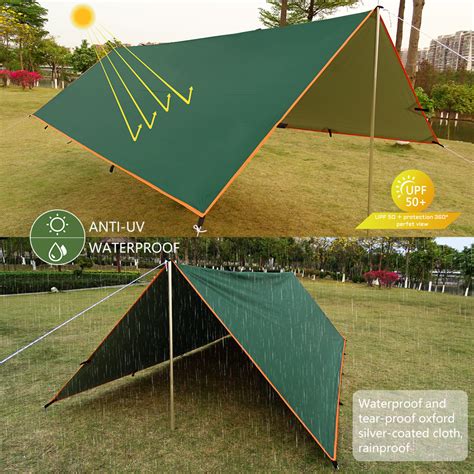
When exploring the tent catalog at Towsure, examining technical specifications prevents buyer’s remorse down the line. Hydrostatic head ratings, which measure waterproof fabric capability, should be a primary focus. Look for flysheets offering at least a 3,000mm to 5,000mm rating to ensure dependable performance against steady downpours. Tents with taped seams and robust bathtub flooring prevent groundwater seepage during prolonged wet weather.
Ease of pitching is another critical factor, particularly for casual campers who prefer spending their arrival time relaxing rather than wrestling with complicated pole sleeves. Tunnel designs and geodesic dome structures offer distinct advantages depending on wind exposure. Tunnel tents maximize interior volume relative to their footprint, while geodesic domes provide superior self-standing stability in exposed coastal or mountain campsites where shifting gusts are common.
Vestibule Space and Gear Management
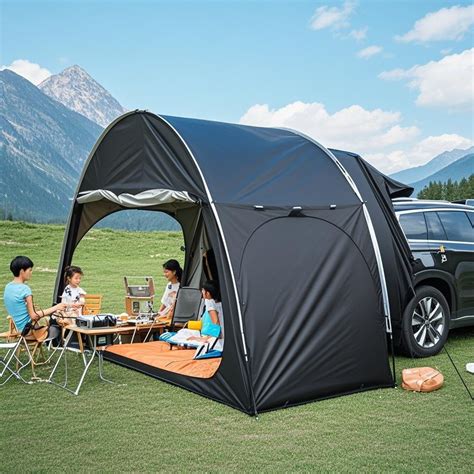
A frequently overlooked element of tent spaciousness is the external vestibule area. When three people share a shelter—or even when two people use a 3-person model—gear management quickly becomes chaotic if everything must live inside the sleeping cabin. A generous front porch or dual vestibule design provides a protected outdoor mudroom where wet footwear, cooking stoves, and packs can stay out of the elements.
Managing gear externally keeps the sleeping quarters clean, dry, and free of mud or damp outdoor air. When examining tent options, check the depth of the porch area relative to the main door opening. A well-proportioned vestibule lets you exit and enter during heavy rain without splashing water directly onto your inner tent floor, preserving a dry environment for sleeping bags and pads.
Frequently Asked Questions
What makes a 3-person tent spacious enough for comfortable camping?
A spacious 3-person tent typically offers a wider floor plan—around 70 to 80 inches across—alongside vertical sidewalls and a functional vestibule. This extra room ensures you can fit two or three sleeping pads alongside personal gear without feeling restricted.
How do storage needs differ for homeowners versus renters buying tents?
Homeowners can easily store bulky, heavier tents in garages or sheds, whereas renters often need compact, lightweight models that compress well into standard apartment closets or under-bed storage bins during the off-season.
Are Towsure 3-person tents suitable for beginner campers?
Yes, many models available through Towsure feature color-coded poles, straightforward clip-in inner tents, and clear pitching instructions designed to make setup intuitive for campers of all experience levels.
Why should two people buy a 3-person tent instead of a 2-person tent?
Stepping up to a 3-person tent provides essential breathing room for modern camping pads, clothing bags, and electronics, preventing gear clutter and dramatically improving overall comfort during multi-day trips.