Planning an outdoor getaway with children requires balancing the desire for adventure with the practical need for comfort. When you arrive at a campsite after hours of driving, the last thing any parent wants to face is a complicated tangle of color-coded poles, confusing instruction sheets, and whining children. Selecting the right shelter can transform a potentially stressful ordeal into a seamless start to your family vacation.
The ideal family tent combines a rapid, intuitive pitching mechanism with generous interior dimensions that accommodate air mattresses, gear, and foot traffic without feeling cramped. By understanding the differences between instant frames, cabin designs, and weather-resistant materials, you can invest in a shelter that delivers reliable performance season after season.
Understanding Family Tent Capacity Versus Real Comfort
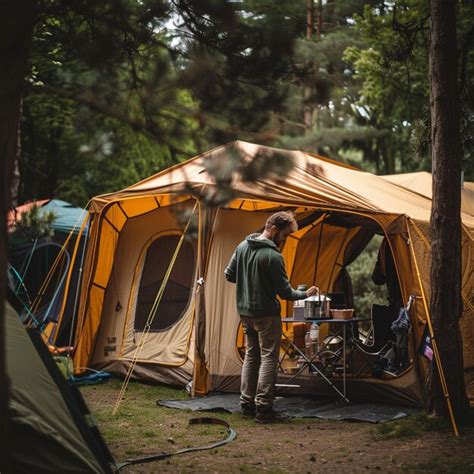
Manufacturer capacity ratings often assume that sleepers will use narrow sleeping pads packed tightly side by side, leaving virtually zero floor space for luggage, changing clothes, or restless children. If a tent is labeled as a six-person model, it typically fits six sleeping bags flush against one another. However, for true family comfort, subtract two from the manufacturer’s stated capacity to accommodate queen-sized air mattresses, pack-and-plays, and personal gear bags.
Evaluating floor plans involves looking beyond square footage to consider vertical wall angles and peak height. Traditional dome tents slope inward sharply, reducing usable headroom near the edges of the room. Cabin-style structures feature nearly vertical walls, allowing adults to stand upright while changing and maximizing the usable footprint for cots and storage bins without bumping heads against the ceiling fabric.
Key Features for Hassle-Free Setup
Streamlined assembly is the cornerstone of a successful family camping trip, saving valuable daylight and preserving your energy. Modern engineering has introduced several innovative framing systems that eliminate traditional pole-threading frustrations, allowing even single parents to pitch a large shelter in minutes.
Evaluating mechanical systems requires looking at pre-attached poles, telescopic hubs, and color-coded clip configurations. Tents that arrive with the frame permanently integrated into the fabric body save immense amounts of time. You simply unfold the structure, extend the legs, and lock the joints into place.
Instant Frame Mechanisms
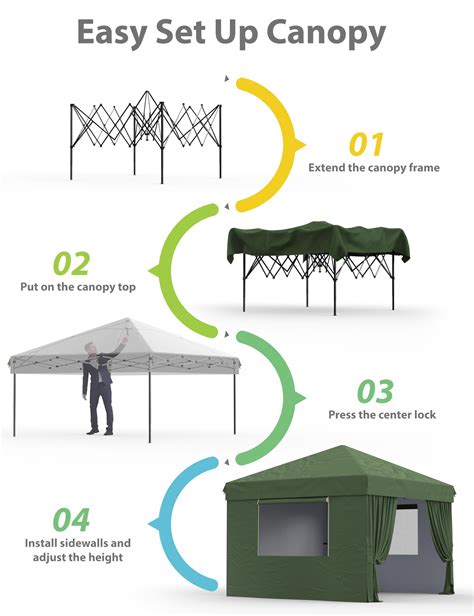
Instant tents utilize pre-threaded telescopic poles that click securely into place with a simple pull or push mechanism. This design mimics the action of an umbrella, making the primary setup process take less than three minutes for practiced campers and under ten minutes for absolute beginners.
While these mechanisms offer incredible convenience, it is important to inspect the hub joints for robust construction. Plastic hinges can become brittle over time or under extreme tension, so reinforced steel or high-grade composite materials are preferred for long-term durability in varied weather conditions.
Color-Coded Pole Systems
Traditional pole-and-sleeve tents remain popular for their wind-shedding aerodynamics, but manufacturers have modernized them with color-coded webbing and fast-clip attachments. Instead of sliding flexible fiberglass rods through narrow fabric tunnels, you drape the tent canopy over a central hub and snap exterior clips onto the corresponding color-matched poles.
This visual matching system drastically reduces setup confusion, especially when camping in low-light conditions or arriving just as dusk settles over the campground. It also allows two people to work in tandem smoothly, cutting standard setup times in half.
Maximizing Interior Space and Organization
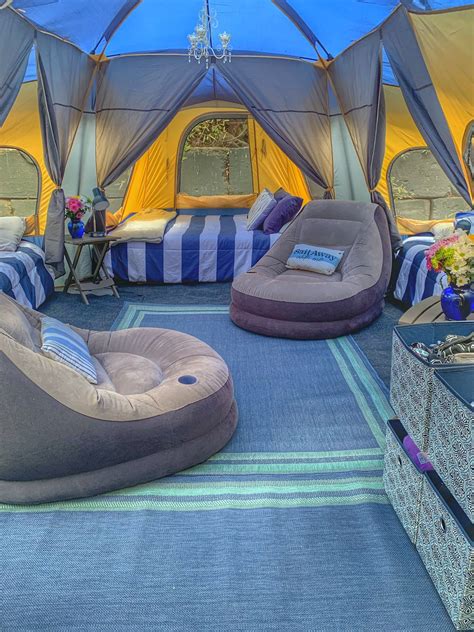
A tidy campsite promotes a peaceful environment, which is essential when multiple family members share a compact footprint for several days. Look for models that incorporate interior room dividers, creating separate zones for sleeping and relaxing, or private spaces for older children.
Built-in storage solutions such as mesh wall pockets, overhead gear lofts, and electrical cord access ports keep flashlights, phones, and entertainment devices off the floor and within easy reach. E-ports are particularly valuable for running power safely inside the tent if you are staying at a serviced campsite with electricity.
Weather Resistance and Durability Essentials
A spacious and easy-to-pitch tent is of little use if it fails during an unexpected summer thunderstorm. Weather resistance depends on a combination of waterproof ratings, sturdy frame construction, and a full-coverage rainfly that protects doors and windows from wind-driven moisture.
Look for polyethylene or oxford polyester floor materials with welded seams to prevent ground water from seeping upward through the base. The rainfly should extend well down the sides of the tent without touching the inner mesh walls, ensuring proper airflow while maintaining a reliable barrier against heavy rain.
Frequently Asked Questions
How much time should I expect to spend setting up a family tent?
Instant and pop-up family tents typically require between three to ten minutes to pitch, even for beginners. Traditional pole-and-sleeve or multi-room cabin tents may take fifteen to thirty minutes, depending on your familiarity with the instructions and the number of people helping.
Should I buy a tent based on the exact number of family members?
It is generally recommended to size up by at least two people. If you have a family of four, a six-person tent provides comfortable space for four sleeping pads, luggage, and personal movement without feeling crowded.
Are instant tents strong enough to withstand high winds and rain?
Many modern instant tents feature sturdy steel and fiberglass frames designed to handle moderate weather. However, for severe storms and high alpine winds, traditional multi-pole dome or cabin tents with heavy-duty guy lines often offer superior wind-shedding stability.
How do I pack a large family tent back into its storage bag?
Take your time rolling the tent rather than stuffing it loosely. Lay the rainfly and tent body flat, fold them to match the width of the carry bag, and squeeze out all trapped air as you roll tightly toward the door flaps to ensure everything fits back inside effortlessly.