Infusing a home with personal style and practical organization often comes down to how you utilize vertical wall space. In a city like Charleston, where architectural heritage ranges from grand single houses featuring historic plaster walls to breezy coastal cottages and modern downtown apartments, storage solutions must respect the envelope of the building. Incorporating custom shelving is one of the most effective ways to introduce character, display cherished heirlooms, and clear away everyday clutter without sacrificing square footage.
Taking on a weekend shelving project allows you to customize the dimensions, finishes, and hardware to perfectly complement your interior design theme. Whether you want to echo the rustic warmth of reclaimed architectural timber or keep things light and airy with coastal-inspired floating boards, building your own shelves gives you complete creative control. Below, we explore practical, beautifully crafted shelving concepts designed to elevate your living spaces while addressing the unique construction challenges found in southern residential architecture.
Embracing Historic Charleston Character with Reclaimed Wood
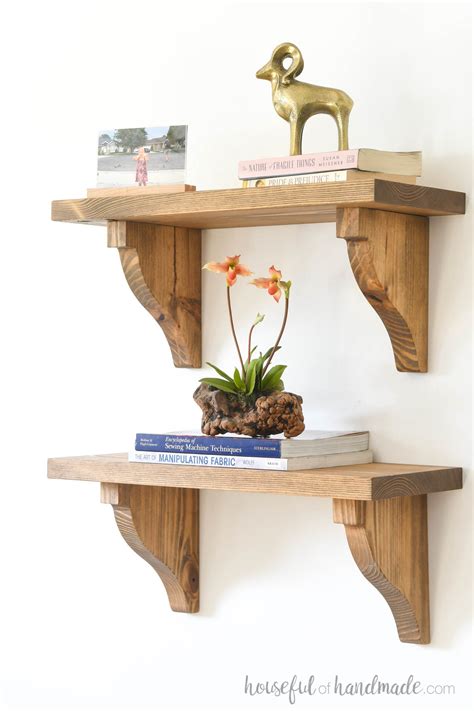
Historic Charleston properties often feature thick plaster walls, intricate moldings, and a rich narrative built into the framework of the building. When you install shelving in a space with historic character, modern manufactured laminate boards can look out of place. Instead, opting for reclaimed pine, oak, or cypress brings an authentic warmth that honors the heritage of the home. These materials carry natural weathering, knots, and grain patterns that instantly make a newly installed shelf look as though it has belonged on the wall for a century.
Working with older plaster walls, however, requires a thoughtful approach to anchoring. Unlike modern drywall backed by evenly spaced wooden studs, historic lath and plaster can crumble or crack if you drive screws without locating the structural support or using specialized toggle bolts. Always use a dependable stud finder and pilot drill bits to prevent surface damage. Pairing heavy reclaimed wood planks with forged iron brackets or antique brass hardware creates a stunning visual anchor for a living room, dining area, or home library.

When finishing reclaimed timber, choose a matte low-VOC polyurethane or a natural beeswax seal to protect the wood from humidity fluctuations while preserving its tactile, matte appearance. High-gloss finishes tend to reflect light harshly and detract from the rustic charm. Style these shelves with a balanced mix of vintage brass candlesticks, hardcover books turned spine-in or stacked horizontally, and handcrafted ceramics that echo the artisanal spirit of the Lowcountry.
Coastal-Inspired Floating Shelves for Breezy Living Spaces
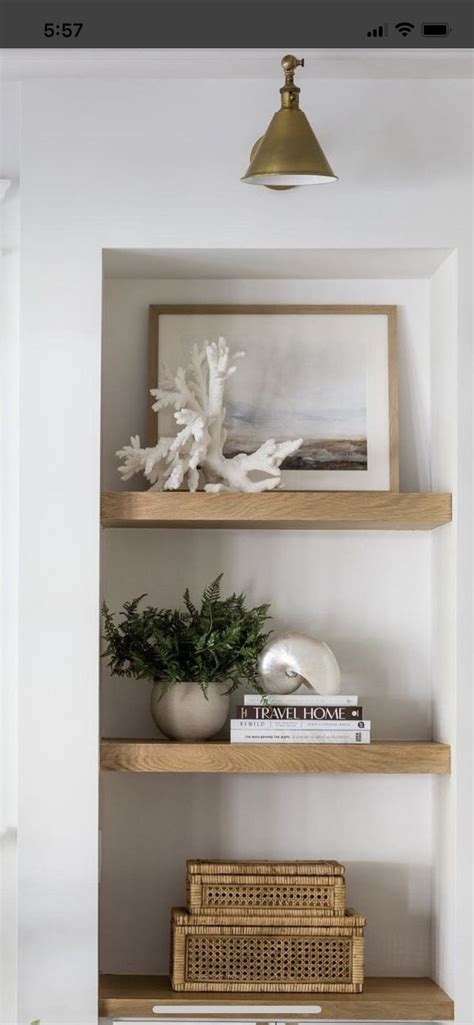
If your home leans toward a coastal aesthetic characterized by soft neutral palettes, whitewashed finishes, and airy natural light, floating shelves offer a clean and minimalist look. Floating shelves conceal their support brackets entirely inside the wooden box or board, giving the illusion that the shelf is effortlessly hovering against the wall. This design works exceptionally well in kitchens, bathrooms, or sunrooms where you want to maintain an open, uncluttered line of sight.
To achieve this look on a DIY budget, you can construct hollow box shelves using lightweight dimensional lumber like pine or poplar. By building a simple internal wall cleat that screws securely into your wall studs, you can easily slide the outer box over the cleat and secure it with hidden finish nails. This method keeps the overall weight low while providing surprising load-bearing capacity for everyday dishware, glassware, or small potted trailing plants that thrive in bright indoor environments.
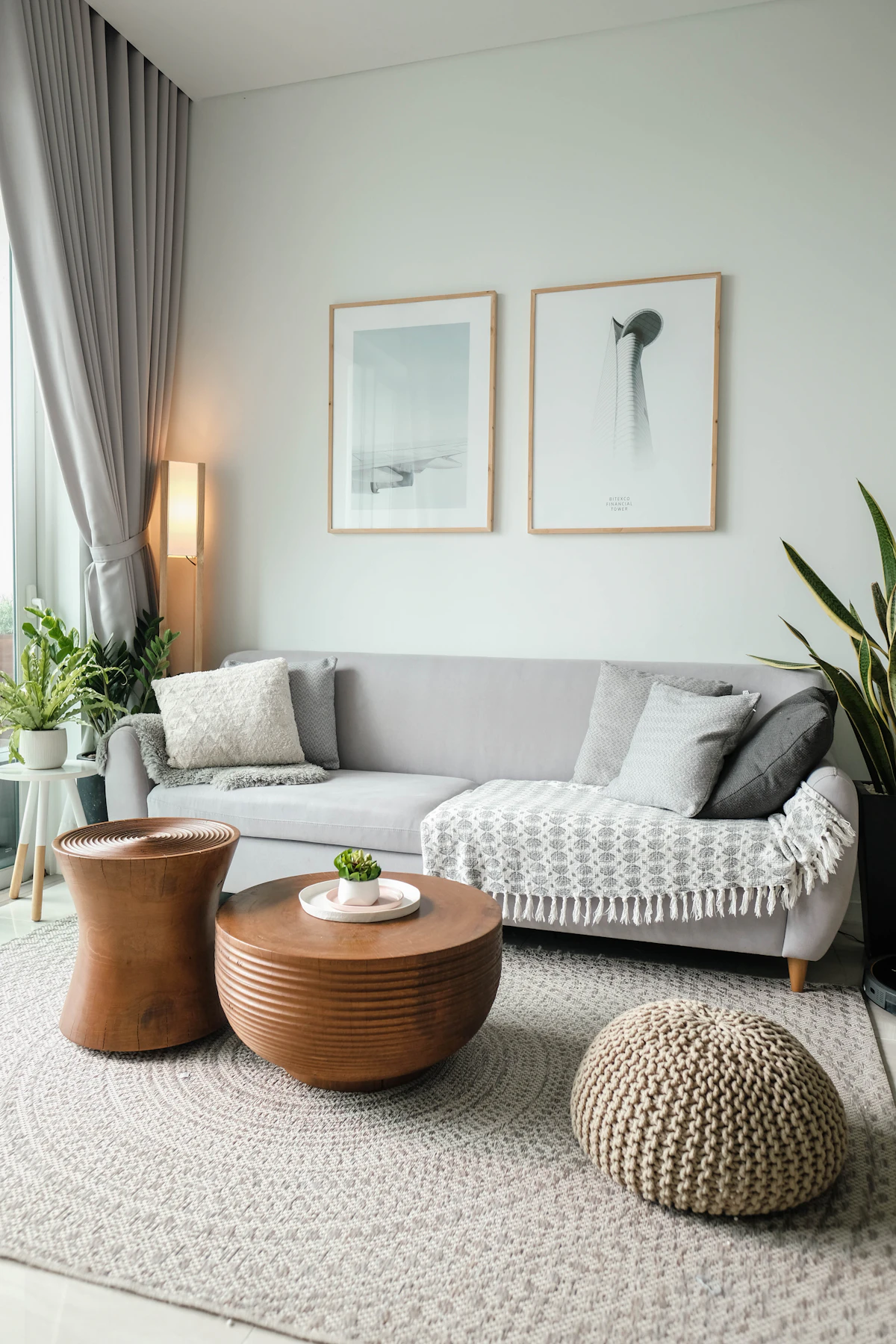
In coastal climates like South Carolina, high humidity can cause unfinished wood to warp or swell over time. To combat this, ensure all sides of your DIY floating shelf are thoroughly sealed with a protective primer and moisture-resistant paint or exterior-grade clear coat, even the parts that face the wall. This extra step prevents moisture absorption and ensures your handmade shelves remain straight, secure, and beautiful for years to come.
Renter-Friendly and Low-Impact Shelving Solutions
Renting a historic carriage house, downtown apartment, or suburban townhouse in the Charleston area doesn’t mean you have to live with bare, uninspiring walls. Many landlords prohibit drilling large holes or anchoring heavy brackets into plaster and drywall. Fortunately, clever engineering and tension-based systems make it entirely possible to introduce stylish vertical storage without risking your security deposit upon move-out.
One innovative approach is building a floor-to-ceiling leaning ladder shelf using lightweight lumber and rubber-padded feet that grip the floor and wall safely without permanent fasteners. Another option is utilizing heavy-duty adhesive mounting strips paired with lightweight foam-core or balsa-wood display ledges designed specifically for lightweight items like framed photographs and small art prints. These renter-friendly alternatives allow you to personalize your layout and take your custom shelves with you whenever you decide to relocate.
Creative Corner and Vertical Space-Savers
Many older architectural layouts feature awkward structural alcoves, tight corners, or narrow hallways that standard furniture cannot accommodate. Rather than letting these dead zones go to waste, you can construct custom triangular corner shelves or staggered vertical pocket ledges that turn neglected architecture into functional focal points. Building custom corner shelves requires careful angle measurements, but using a simple cardboard template first will save you time and prevent costly lumber miscuts.
Vertical arrangements draw the eye upward, making rooms with standard or low ceilings feel noticeably taller and more expansive. By staggering small square box shelves up a stairwell wall or beside a bedroom window, you create an asymmetric gallery display that holds everything from reading glasses to small succulent arrangements. Sanding the edges smooth and painting the shelves the exact same color as your wall creates a seamless built-in look that emphasizes architectural clean lines.
Mastering the Art of Styling Open Shelving
Once your DIY shelves are securely anchored and finished, the final step is styling them effectively. The secret to preventing open shelving from looking cluttered is embracing negative space. Avoid filling every square inch of available surface area; instead, group items in odd numbers—such as threes or fives—and vary the heights by combining tall vases, medium-toned picture frames, and low stacks of books.
Incorporate texture and organic elements to soften the structured lines of the wood and hardware. Woven seagrass baskets provide hidden storage for small loose items like remotes or cords, while trailing pothos or cascading ivy introduces vibrant organic color. Step back frequently as you arrange your objects to evaluate the overall visual weight, ensuring that heavy items are distributed evenly and no single section feels overwhelmingly dense.
Frequently Asked Questions
What kind of shelving styles fit a Charleston home aesthetic?
Shelving styles that incorporate reclaimed timber, warm natural pine, brass hardware, and minimalist coastal floating designs pair wonderfully with the architectural character of historic and modern Charleston homes.
How can renters install shelves without damaging walls?
Renters can utilize leaning ladder shelves, tension-secured vertical uprights, or lightweight display ledges mounted with heavy-duty, damage-free adhesive strips designed for easy removal.
What materials are best for DIY floating shelves?
Lightweight dimensional lumber such as pine or poplar is ideal for building hollow box floating shelves. They are easy to cut, lightweight enough for wall mounts, and take stains or paint exceptionally well.
How do I style open shelving so it doesn’t look cluttered?
Keep your shelving visually balanced by leaving negative space, grouping decorative objects in odd numbers, varying item heights, and incorporating textural elements like woven baskets and trailing plants.