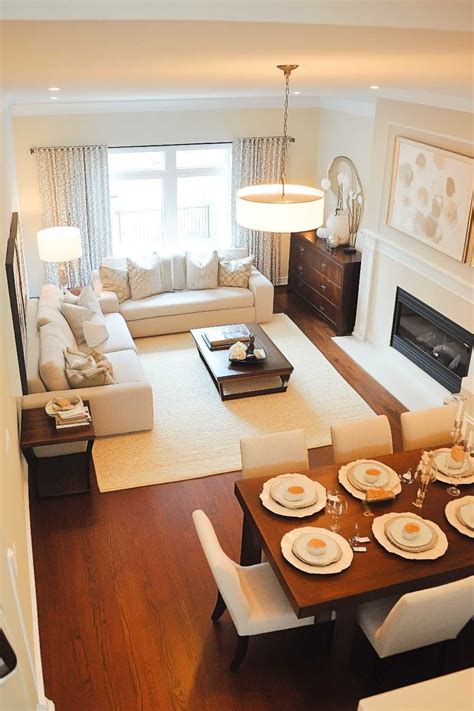
Designing a comfortable, visually balanced living room often comes down to one critical relationship: how your sofa and accent chairs interact. In many American homes, the living room serves multiple functions, acting as a quiet reading nook by day, a family movie theater by night, and a hosting space on weekends. Because of these shifting demands, relying on a single matching furniture suite can feel rigid and uninspired. Instead, thoughtfully combining different seating pieces adds depth, personality, and functional flexibility to your interior.
Successfully pairing sofas and accent chairs requires more than simply picking colors you like. You must consider the physical scale of the room, the visual weight of each piece, and how people naturally move through the space. Whether you are furnishing a compact urban apartment or an expansive suburban open-concept floor plan, understanding the foundational rules of proportion, texture, and layout will help you curate a living room that looks intentional, professional, and deeply welcoming.
Understanding Scale and Proportion in American Living Rooms
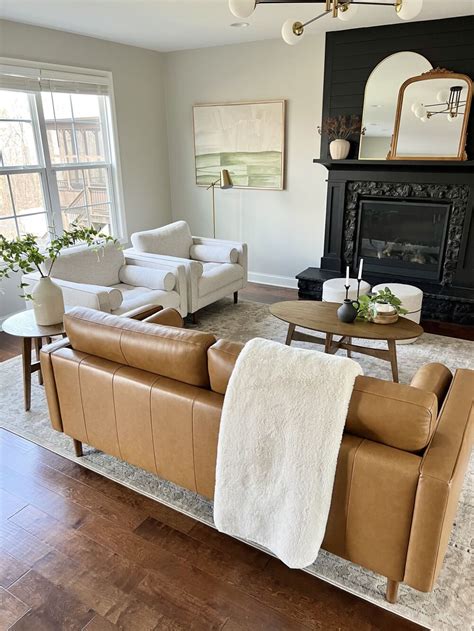
Scale is the single most important factor when pairing a sofa with accent chairs, yet it is frequently overlooked. A sprawling sectional sofa paired with delicate, mid-century wire chairs will immediately look mismatched because the visual weight is drastically uneven. Conversely, tucking oversized, overstuffed armchairs next to a sleek, low-profile apartment sofa can make the entire seating area feel cramped and visually confused. Achieving harmony means balancing the physical dimensions of the furniture with the vertical and horizontal volume of the room itself.
When evaluating scale, pay close attention to back heights, arm styles, and leg visibility. If your sofa features a heavy, skirted base and a high back, pairing it with chairs that have exposed wooden legs and a slightly lower profile creates a pleasant visual contrast. This prevents the room from feeling heavy at floor level. In typical American living rooms—which often range from compact 12×15-foot urban spaces to larger open-plan great rooms—keeping at least 18 inches of clearance between the sofa and a coffee table, and maintaining clear walking paths around every chair, ensures the space remains functional and breathable.
The Art of Matching Versus Mixing: Fabrics and Colors
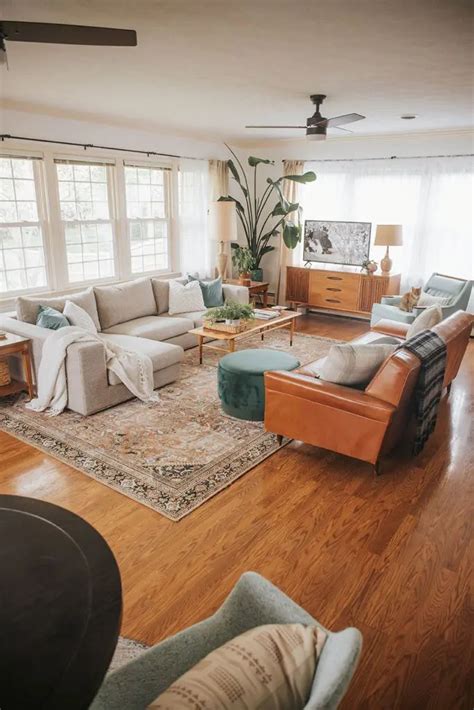
For decades, purchasing a matching living room set consisting of a sofa, loveseat, and armchair was the default standard. While convenient, this approach often flattens a room’s personality, making it look like a furniture showroom rather than a curated home. Mixing textures, colors, and silhouettes allows you to build a layered aesthetic that feels collected over time. However, completely random combinations can quickly descend into visual chaos. The secret lies in finding a common thread that ties disparate pieces together, such as wood tone, leg finish, or a shared accent color.
A reliable method for combining fabrics is to anchor the space with a neutral sofa and introduce accent chairs featuring pattern or texture. For instance, a crisp linen-blend or durable performance-fabric sofa in a soft greige or warm ivory pairs wonderfully with a pair of leather club chairs or patterned velvet armchairs. If you prefer a bolder color palette, apply the classic design principle of balancing bold hues with neutral grounding elements. Ensure that if your accent chairs feature a loud, saturated botanical print, the sofa remains solid to give the eye a place to rest.
Proven Sofa and Chair Pairing Formulas for Every Layout
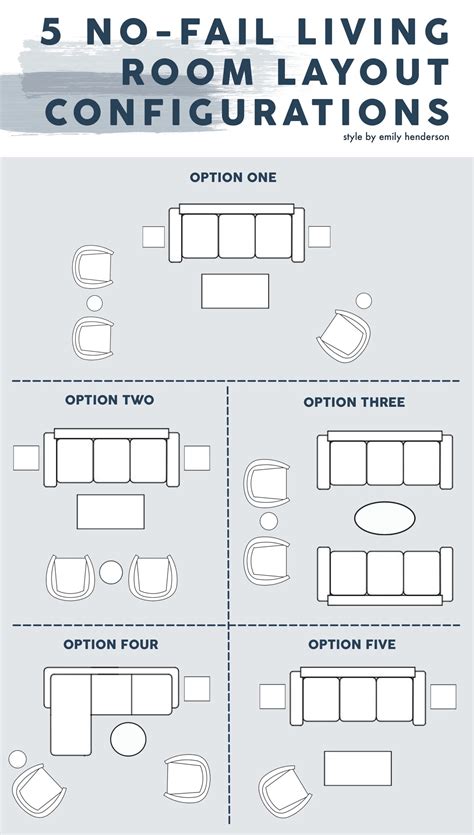
Different room layouts call for specific seating configurations to maximize both conversation and comfort. One classic arrangement is the L-shape configuration, where a standard sofa is placed perpendicular to two matching accent chairs. This setup works exceptionally well in rectangular living rooms, fostering natural face-to-face conversation without blocking sightlines to a television or fireplace. It defines the seating zone clearly, which is especially useful in open-concept homes where the living area flows directly into the kitchen or dining room.
Another highly functional formula is the parallel arrangement, featuring a sofa flanked directly by two armchairs across a central coffee table or ottoman. This symmetrical layout exudes traditional elegance and encourages formal or casual dialogue alike. For smaller spaces, a single apartment-sized sofa paired with a single swivel chair offers incredible versatility. Swivel chairs are particularly popular in modern American homes because they allow occupants to pivot toward the television, turn toward conversational groups, or look out a window, all without rearranging heavy furniture.
Tailoring Seating Combinations to Your U.S. Lifestyle Needs
Beyond aesthetics and room dimensions, your daily lifestyle should dictate your furniture choices. Households with young children or pets have very different practical requirements than a child-free downtown loft. If durability is your primary concern, prioritize performance fabrics like crypton or heavy-duty synthetic weaves for both the sofa and chairs, and avoid delicate silks or high-maintenance light leathers that show wear and tear quickly. Removable, washable cushion covers can also save you considerable stress down the line.
Space efficiency is another major consideration for renters and homeowners living in metropolitan areas where square footage comes at a premium. In these environments, multi-functional seating pieces—such as storage ottomans that double as extra chairs or lightweight accent chairs that can be easily moved into a bedroom or home office when hosting large gatherings—are invaluable. By prioritizing pieces that serve multiple purposes, you can maintain an uncluttered environment that adapts effortlessly to your changing daily needs.
Frequently Asked Questions
Should my sofa and accent chairs match or mix?
They do not need to match, and mixing them often creates a more dynamic, designer-curated look. To keep the space cohesive, ensure there is a connecting element, such as a similar wood finish, complementary color undertone, or balanced visual weight between the pieces.
How do I choose the right scale of chair to match my sofa?
Look at the back height and arm style of your sofa. Your accent chairs should feel proportional—neither dwarfed by a massive sectional nor overwhelmingly bulky next to a slim apartment sofa. Maintaining balanced proportions prevents the living room from looking disjointed.
What are the best sofa and chair combinations for small living rooms?
For small spaces, opt for a compact, apartment-sized sofa paired with a single lightweight armchair or a swivel chair. Swivel chairs are ideal because they provide flexible seating without requiring extra physical space to pull them out or rearrange them.
How many seating pieces do I need for a standard U.S. living room?
A standard living room typically accommodates seating for four to six adults comfortably. This is usually achieved with a three-seater sofa paired with two accent chairs, or a sectional paired with a single lounge chair, depending on room dimensions and traffic flow.
How do I mix patterns and textures without making the room look cluttered?
The safest approach is to use a solid, neutral sofa as your visual anchor and introduce patterned or textured fabrics through your accent chairs. Limit yourself to one bold pattern and balance it with solid textures like leather, wool, or woven linen.