Finding the right dining table involves much more than simply picking a design that catches your eye in a showroom or online catalog. The daily functionality of your dining space depends heavily on how a table’s geometry interacts with your room’s overall dimensions, traffic patterns, and seating requirements. When exploring Ashley’s diverse collection of dining furniture, understanding the distinct advantages of round, square, and extendable formats helps you invest in a piece that supports both quiet weeknight meals and lively weekend gatherings.
Many American homes and apartments feature open-concept floor plans or compact dining nooks where every square inch matters. A table that feels balanced in a sprawling suburban dining room can easily overwhelm a modern apartment kitchen corner. By carefully evaluating your spatial constraints alongside your household habits, you can narrow down the choices and select an Ashley dining table that feels custom-built for your daily routine.
Understanding Room Dimensions and Clearance Requirements
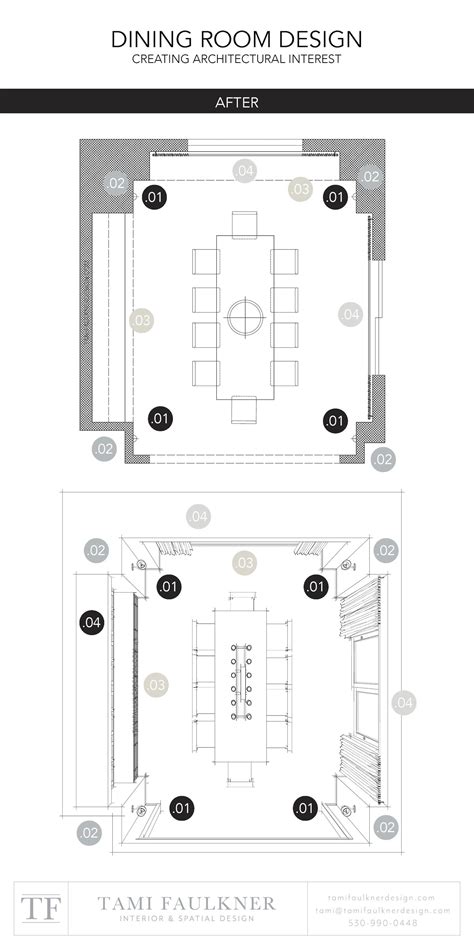
Before examining specific table shapes, establishing a baseline of your room’s measurements is an essential first step. A common oversight in dining room planning is measuring only the empty floor space without accounting for the physical room needed to pull chairs out comfortably and allow people to walk around the perimeter. Without adequate clearance, even a visually stunning table can make a room feel cramped and frustrating to navigate.
As a reliable rule of thumb for space planning, aim to leave at least 36 to 48 inches of clearance between the edge of your dining table and surrounding walls or large furniture pieces. This spacing ensures that seated guests can push their chairs back and stand up without bumping into a sideboard or blocking a major household pathway. If your dining area doubles as a primary walkway to a kitchen or patio, leaning toward the higher end of that measurement range prevents bottlenecks in your home’s traffic flow.
Embracing Intimacy with Round Dining Tables
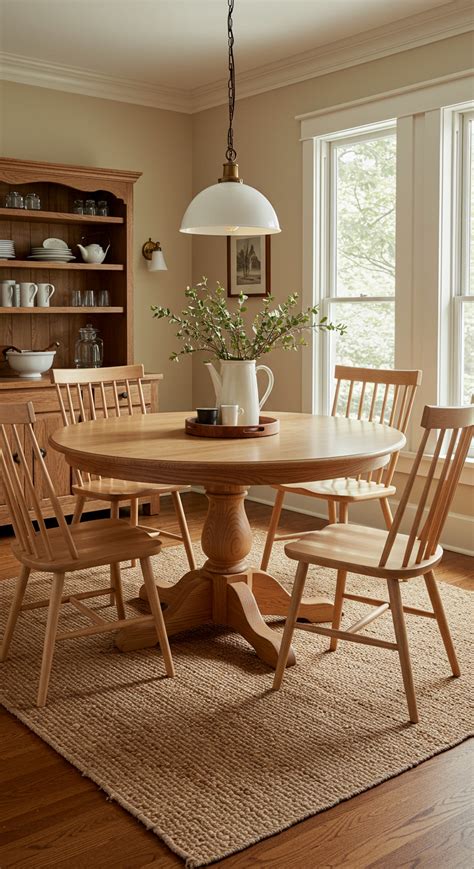
Round dining tables have long been a favorite choice for compact spaces, breakfast nooks, and open-concept apartments. Without sharp corners, a circular silhouette softens the visual geometry of a room, allowing natural light to flow more freely and making tight corners feel less restrictive. This shape naturally encourages conversation because every person seated at the table maintains an unobstructed line of sight to everyone else.
Ashley offers a wide variety of round dining tables ranging from pedestal bases that maximize legroom to rustic wooden designs that anchor farmhouse-style kitchens. When choosing a round table for a smaller room, consider a single-pedestal base rather than four corner legs. Pedestal styles make it significantly easier to tuck chairs completely underneath the surface when not in use, further preserving precious floor space in multi-use living areas.
Maximizing Symmetry with Square Dining Tables
Square dining tables deliver a distinct architectural presence that brings balance and modern symmetry to a room. They work exceptionally well in square-shaped dining rooms or dedicated breakfast spaces where a rectangular table would leave awkward, uneven gaps around the edges. A square silhouette creates an intimate, structured dining experience where guests sit equidistant from one another, fostering a balanced dynamic during meals.
While standard four-person square tables fit neatly into compact footprints, larger square configurations can require a substantial amount of floor space. If you frequently host groups larger than four, a stationary square table might prove cumbersome unless your room boasts generous proportions. However, for couples or small families who enjoy a clean, contemporary aesthetic, a well-placed square table from Ashley can serve as a striking focal point without cluttering the layout.
Adapting to Every Occasion with Extendable Tables
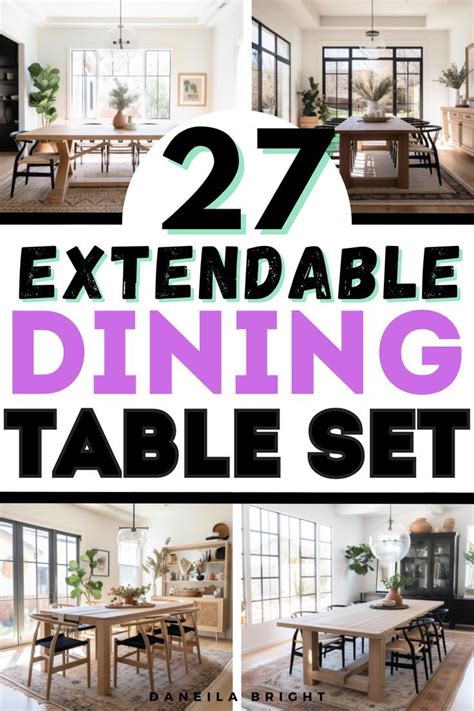
For households that value everyday compactness but occasionally need to host larger dinner parties, holidays, or family gatherings, extendable dining tables offer the ultimate versatility. These tables feature integrated leaves—either drop-in, butterfly, or pull-out mechanisms—that expand the surface area when extra seating capacity is required. An extendable table effectively gives you two furniture pieces in one: a space-saving daily dining spot and a generous hosting surface.
Ashley’s extendable dining collections bridge the gap between form and function by incorporating mechanism designs that operate smoothly without sacrificing aesthetic appeal. When shopping for an extendable table, consider how much storage space you have if the table requires removable leaves, or ensure you have adequate clearance in the room to accommodate the fully extended length alongside your existing seating arrangements.
Frequently Asked Questions
What shape of dining table is best for small spaces?
Round dining tables are generally the best choice for small spaces because their curved edges eliminate sharp corners, improve traffic flow, and make it easier to navigate compact rooms. Pedestal-style round tables offer even more space-saving benefits by maximizing legroom and allowing chairs to tuck in neatly.
How do I know if I need an extendable dining table?
An extendable table is ideal if your daily seating needs differ significantly from your hosting requirements. If you live alone or with a small family most of the week but regularly host family dinners, holidays, or dinner parties, an extendable table provides flexibility without permanently consuming extra floor space.
How much clearance space do I need around a dining table?
It is recommended to leave at least 36 to 48 inches of clearance between the edge of your dining table and any walls, doors, or large furniture items. This ensures guests can comfortably pull out their chairs and allows family members to walk past seated diners without obstruction.
Are round tables better for small families or entertaining?
Round tables excel at both. For small families, they create a cozy, conversational environment. For entertaining, the lack of head-of-the-table hierarchy makes group discussions much easier, and many round designs can also accommodate a drop-in leaf for added flexibility.