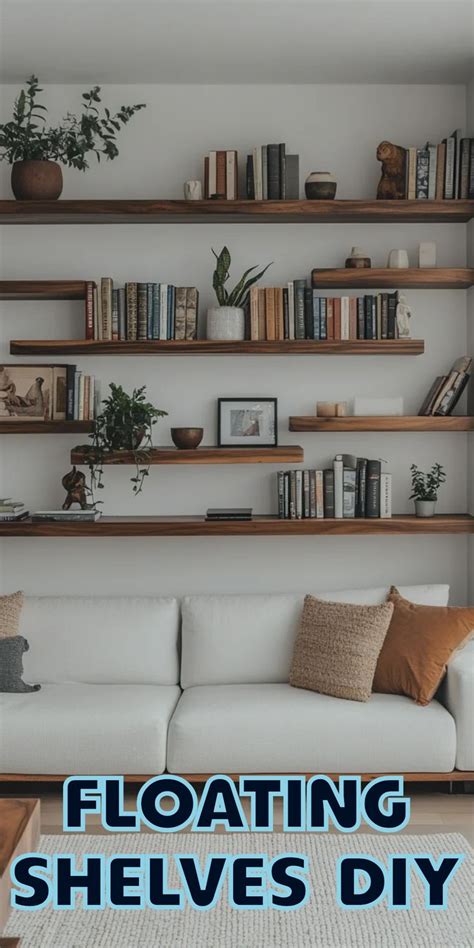
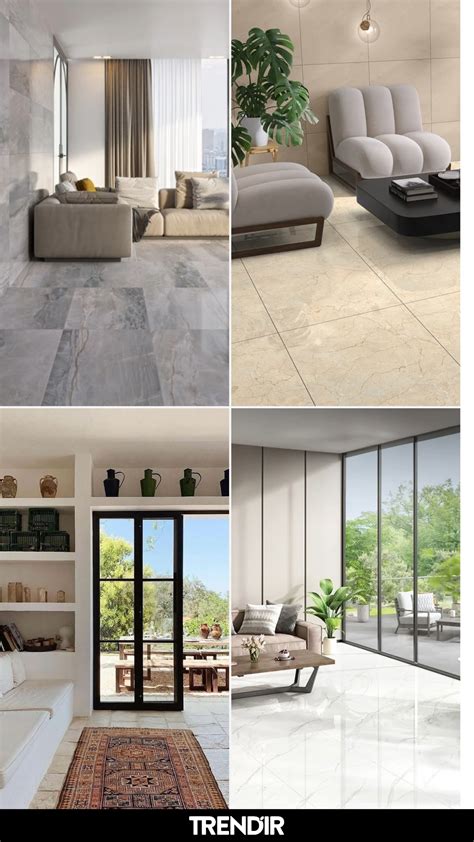
Living in a compact apartment often means balancing a desire for high-end interior design with the hard reality of limited square footage. When every square inch counts, standard decorating rules simply do not apply. Instead of trying to force full-sized furniture and conventional layouts into tight rooms, successful small-space design relies on smart scaling, multi-purpose functionality, and clever visual illusions. Whether you are dealing with awkward architectural angles, strict rental lease agreements, or simply a lack of built-in closets, transforming your main gathering space requires a deliberate strategy that marries aesthetic charm with everyday utility.
To help you unlock the full potential of your home, we have organized 56 distinct design, layout, and storage strategies specifically tailored for compact apartment living rooms. These practical concepts range from renter-friendly temporary fixes to permanent architectural adjustments, ensuring every homeowner and tenant can find scalable solutions that suit their lifestyle without sacrificing personal style.
Multi-Functional Furniture Foundations

Choosing furniture that performs a single duty is a luxury that small apartments rarely afford. When your living room doubles as a home office, guest room, or dining area, every single piece needs to work twice as hard. Embracing multi-functional furniture allows you to maintain a clean, uncluttered aesthetic while keeping essential items close at hand. The secret lies in selecting items whose dual purpose remains discreetly hidden until needed.
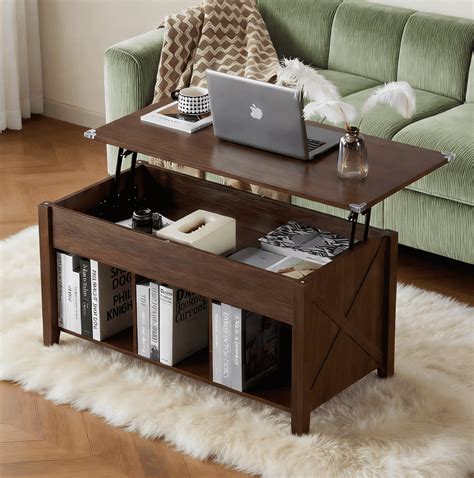
1. Swap a traditional coffee table for a lift-top design that provides a raised surface for dining or working on a laptop.
2. Invest in an ottoman with deep interior storage to tuck away bulky winter blankets and extra throw pillows.
3. Choose a modular sofa with built-in pull-out sleeping mechanisms rather than a heavy, traditional sleeper sofa.
4. Utilize nesting tables that can be separated when hosting guests and tucked together compactly during daily routines.
5. Place a slim, upholstered storage bench beneath a window to create both extra seating and hidden toy or book storage.
6. Select a media console with sliding cabinet doors to conceal electronics, wires, and miscellaneous clutter.
7. Use a drop-leaf console table that acts as a narrow sofa table by day and expands into a desk when necessary.
8. Incorporate modular cube shelving units that can serve as a room divider while holding storage baskets on both sides.
Implementing these foundational furniture pieces transforms how you utilize your floor plan. By keeping clutter concealed within the furniture itself, the surrounding floor area remains open, which is the single most effective way to trick the human eye into perceiving a room as much larger than it actually is. Always measure your clearances carefully before purchasing to ensure that moving parts, like lift-top mechanisms or pull-out extensions, do not collide with surrounding walls or seating.
Maximizing Vertical Space and Wall Storage
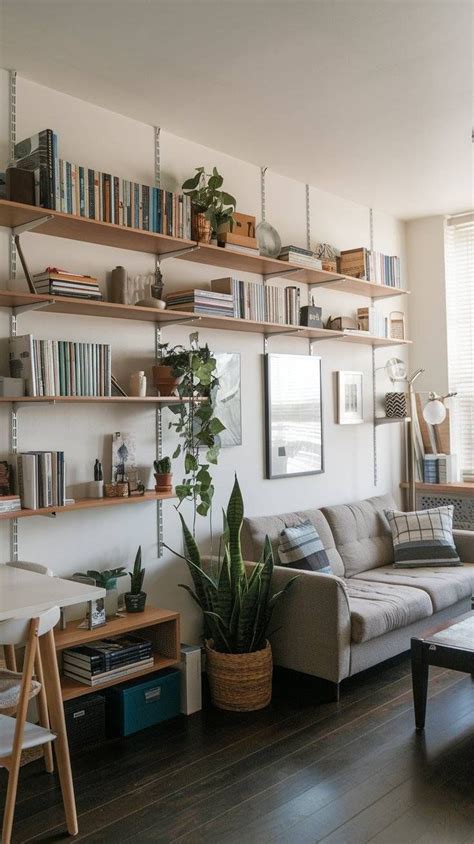
When horizontal square footage is severely restricted, your gaze naturally needs to shift upward. Utilizing vertical space is a cornerstone of effective apartment design, drawing the eye toward the ceiling and keeping valuable floor areas completely unobstructed. From floating shelves to floor-to-ceiling shelving systems, vertical strategies help you store more while visually lifting the entire room.
9. Install floating wall shelves near the ceiling to display books and decorative objects without taking up floor space.
10. Hang heavy-duty peg rails along an empty hallway wall to hold coats, bags, and hats neatly.
11. Mount your television directly onto the wall to eliminate the need for a bulky entertainment center.
12. Utilize tension-rod shelving systems that wedge securely between floor and ceiling without drilling holes—ideal for renters.
13. Hang tall, slender bookcases that span close to the crown molding to emphasize the room’s height.
14. Use magnetic knife strips or metal rails on kitchen-adjacent living room walls to hold metal accessories or tools.
15. Install wall-mounted drop-leaf desks that fold flat against the wall when your home office shift ends.
16. Hang a series of coordinated wire wall baskets to store magazines, mail, and daily planners vertically.
Working vertically requires a careful balance between storage utility and visual weight. Piling too many heavy items high up can make a room feel top-heavy and oppressive. Instead, intersperse functional storage with breathable decorative elements, such as trailing green houseplants or minimalist art pieces, to keep your walls feeling light, airy, and curated rather than purely utilitarian.
Lighting Tricks to Visually Expand the Room
Lighting is one of the most powerful and often overlooked tools in small-space interior design. Poorly lit corners trap shadows, which visually shrinks the boundaries of a room and makes a space feel cramped and gloomy. By layering multiple light sources and strategically placing reflective surfaces, you can bounce natural and artificial light around the apartment to create an open, luminous atmosphere.
17. Ditch bulky floor and table lamps in favor of wall-mounted swing-arm sconces that free up surface area.
18. Hang a large decorative mirror directly opposite your primary window to reflect outdoor light deeper into the room.
19. Install sleek picture lights above your artwork to create a high-end gallery feel while adding ambient glow.
20. Place LED strip lighting behind your media console or sofa for a soft, modern backlighting effect.
21. Choose sheer, lightweight window treatments that diffuse sunlight gently rather than blocking it completely.
22. Opt for transparent acrylic or glass lampshades that disappear visually and reduce visual bulk.
23. Use high-output, warm-white LED bulbs in all fixtures to maximize brightness without feeling sterile.
24. Incorporate floor-to-ceiling vertical drapery panels hung just beneath the ceiling line to stretch window proportions.
Effective lighting design relies on creating layers of illumination at different heights rather than depending on a single harsh overhead fixture. Combining wall sconces, task lighting, and ambient glow gives you complete control over the mood of your apartment while eliminating dark corners that make small rooms feel claustrophobic. Furthermore, renter-friendly plug-in wall sconces offer the high-end look of hardwired fixtures without requiring landlord approval or electrical work.
Strategic Rug Placement and Flooring Illusions
The floor plane plays a massive psychological role in how we perceive room size. Using rugs incorrectly can instantly chop a small living room into disjointed, cramped fragments, whereas thoughtful rug selection and placement can unify the space and guide the eye smoothly across the layout. Flooring choices should prioritize continuity and light reflection.
25. Choose an area rug that is large enough for all main furniture legs to rest on it, preventing a choppy look.
26. Opt for light-colored, low-pile neutral rugs that reflect light and avoid overwhelming a tight space.
27. Use large-scale striped rugs to create a visual illusion that stretches the room along the stripe direction.
28. Layer a smaller, patterned vintage runner over a large natural-fiber jute rug to add texture without busyness.
29. Avoid tiny accent rugs that float aimlessly in the center of the room, as they visually shrink the floor plan.
30. Keep hardwood or laminate flooring uncovered in high-traffic walking paths to emphasize continuous open space.
31. Use matching flooring materials if your living room opens directly into a kitchen or dining nook for seamless flow.
32. Select round area rugs under circular coffee tables to soften rigid architectural lines in boxy apartments.
When styling floors in an apartment, remember that simplicity and continuity are your best allies. Too many competing textures or small, isolated rugs create visual clutter right at ground level. By anchoring your main seating group with one appropriately sized, light-toned rug, you establish a clear boundary for the conversation area while keeping the rest of the floor visibly open and expansive.
Color Palettes and Visual Weight Reduction
The colors and materials you bring into your living room dictate its overall visual weight. A room filled with heavy, dark wood furniture and high-contrast paint colors can feel remarkably heavy, whereas a lighter, cohesive palette allows light to bounce freely. Reducing visual weight does not mean you have to live in a boring all-white box; rather, it is about balancing tones and transparency.
33. Paint your living room walls and baseboards the exact same light shade to blur boundaries and expand corners.
34. Introduce ghost chairs or clear acrylic coffee tables to eliminate visual mass in tight pathways.
35. Create a monochromatic color scheme using varying tones of cream, beige, and taupe for soothing depth.
36. Use accent colors sparingly through easily swappable items like throw pillows, art prints, and ceramics.
37. Hang large-scale artwork featuring soft, airy landscapes rather than busy, heavy compositions.
38. Choose furniture with exposed legs raised off the floor, allowing light to flow underneath each piece.
39. Incorporate metallic accents like brushed brass or polished chrome to catch and reflect ambient light.
40. Paint or wrap interior doors in a contrasting color to draw the eye outward and create depth.
Visual weight is all about how heavy an object appears to the eye compared to its actual physical footprint. A solid, boxy dark velvet sofa will feel immensely heavier in a small room than a streamlined sofa upholstered in a light linen fabric with slender wooden legs. By carefully balancing solid statement pieces with light, airy, and reflective elements, you prevent your living room from feeling crowded or heavy-handed.
Layout Configurations for Awkward or Tight Floor Plans
Standard apartment floor plans frequently present unique layout challenges, such as off-center entry doors, intrusive radiators, awkward pillars, or narrow rectangular proportions. Trying to force a traditional suburban living room layout into these unconventional footprints is a recipe for frustration. Instead, smart layout configurations lean into the architecture and prioritize human traffic flow above all else.
41. Float your sofa away from the walls rather than pushing everything against the perimeter to create breathing room.
42. Use an L-shaped furniture arrangement to naturally define a cozy conversation zone in an open-concept studio.
43. Position low-profile furniture in front of windows without blocking natural light or outdoor views.
44. Create a diagonal furniture layout in square, compact rooms to break up rigid 90-degree angles.
45. Use slim-profile console tables behind floating sofas to add surface space without blocking walkways.
46. Keep main traffic pathways at least three feet wide to ensure comfortable movement through the apartment.
47. Anchor an awkward nook with a built-in reading chair, a small floor lamp, and a compact side table.
48. Angle your television in a corner media mount to free up flat wall space for functional shelving.
Designing an awkward floor plan requires patience and a willingness to test unconventional arrangements. Do not be afraid to pull your furniture away from the walls—a common misconception is that pushing everything to the edges maximizes space, when in reality it often creates a bowling-alley effect in the center. Floating your seating arrangement creates intimacy, improves flow, and makes the overall room feel thoughtfully designed rather than accidentally cramped.
Creative Renter-Friendly Personalization
Renting an apartment comes with distinct limitations regarding permanent alterations, but temporary design solutions have evolved significantly in recent years. You do not need to drill permanent holes or paint walls to infuse personality, warmth, and high-end style into your living room while fully protecting your security deposit.
49. Apply temporary peel-and-stick wallpaper to create a striking accent wall behind your sofa or TV console.
50. Use heavy-duty adhesive velcro strips to hang lightweight art galleries without hammering nails.
51. Swap out basic builder-grade outlet covers and light switches for stylish matte black or brass plates.
52. Lay down modular peel-and-stick carpet tiles over dated rental flooring to completely change the base aesthetic.
53. Cover an ugly radiator with a decorative wooden radiator cover that doubles as a display shelf.
54. Hang curtains using high-tension rods or damage-free adhesive brackets mounted securely near the ceiling.
55. Place tall, potted indoor trees in heavy ceramic planters to camouflage awkward utility pipes or corners.
56. Drape a high-quality, oversized textured throw blanket over a dated or mismatched rental armchair.
Renter-friendly decorating is all about finding high-impact modifications that can be easily reversed on moving day. By focusing on textiles, lighting, peel-and-stick applications, and clever furniture placement, you can create a luxurious, highly customized apartment living room that feels entirely your own, completely independent of your lease status or landlord restrictions.
Frequently Asked Questions
How can I make a small apartment living room look bigger?
To make a small living room look bigger, maximize natural light with sheer window treatments, hang mirrors opposite windows, and choose furniture with exposed legs that allow light to pass underneath. Sticking to a cohesive, light color palette and keeping floor areas as clear as possible also tricks the eye into perceiving more space.
What furniture works best in tiny living spaces?
Multi-functional and modular furniture works best in tight spaces. Look for lift-top coffee tables, storage ottomans, nesting tables, and slim-profile sofas with exposed wooden legs. Avoid oversized, bulky pieces with heavy skirting that block light and dominate the room’s visual weight.
How do I maximize storage without cluttering my apartment?
Maximize storage by looking upward instead of outward. Utilize vertical wall space with floating shelves, tall bookcases, and wall-mounted organizers. Additionally, choose furniture that hides storage internally, such as hollow ottomans or media consoles with enclosed cabinets, to keep loose items out of sight.
How can I decorate my rental living room without damaging the walls?
Renters can personalize their spaces using peel-and-stick wallpaper, damage-free adhesive hanging strips for lightweight frames, tension-rod curtain hangers, and plug-in wall sconces. Layering rugs, textiles, and tall potted plants also adds immense style without requiring any permanent drilling or painting.