Furnishing or updating a living room requires a careful balance between aesthetic vision and financial practicality. Across the United States, homeowners and renters constantly search for ways to upgrade their primary gathering spaces without overextending their household budgets. Retail clearance events present an incredible opportunity to acquire durable, high-end furniture pieces at a fraction of their original retail price. However, navigating these markdowns successfully demands more than simply chasing the lowest price tag. Understanding the nuances of furniture inventory cycles, recognizing structural quality, and factoring in logistics will ensure that your discounted finds serve your home reliably for years to come.
Understanding the Different Types of Furniture Markdown Categories

Retailers across the U.S. utilize various terms to describe discounted merchandise, and knowing these distinctions is crucial for protecting your investment. True clearance items typically consist of discontinued models, overstocked inventory, or floor samples that retailers need to clear out to make room for incoming seasonal collections. These pieces are usually brand new in their original packaging, retaining standard manufacturer warranties unless specifically noted otherwise. On the other hand, open-box items have been unboxed, sometimes assembled, and returned by customers, often carrying deeper discounts but requiring careful inspection for missing hardware or minor blemishes.
Final-sale merchandise represents the deepest discount tier, but it also carries the highest risk for consumers. When a U.S. retailer labels a living room sectional or accent chair as final sale, it means returns and exchanges are strictly prohibited under any circumstances. Before committing to a final-sale purchase, shoppers must verify exact dimensions, check customer reviews for the specific model, and ensure the piece fits seamlessly through hallways, elevators, and doorways. Recognizing these operational definitions helps buyers separate safe, high-value overstock purchases from high-risk clearance items that might not suit their living environment.
Strategic Timing for Living Room Furniture Sales in the U.S.

Furniture manufacturing and retail industries follow predictable seasonal cycles that dictate when the deepest markdowns occur. In the United States, major furniture brands typically introduce new inventory lines twice a year—once in the late winter or early spring around February and March, and again in late summer around August and September. As showrooms and warehouses prepare to receive these fresh arrivals, they heavily discount previous collections to free up valuable floor space and logistics capacity. Shopping right at the cusp of these transitional windows gives buyers access to a wider selection of clearance items before the best pieces sell out.
Beyond semi-annual showroom turnovers, traditional holiday weekends serve as prime opportunities for securing remarkable furniture savings. Major promotional events occurring around Presidents’ Day, Memorial Day, the Fourth of July, Labor Day, and Black Friday frequently feature stackable clearance incentives, free shipping thresholds, or extra percentage-off markdowns on already reduced living room suites. By planning your room layout and budget weeks in advance of these calendar markers, you can act decisively when retailers drop their prices, avoiding impulse purchases driven purely by temporary discount banners.
Evaluating Construction and Materials on Discounted Pieces
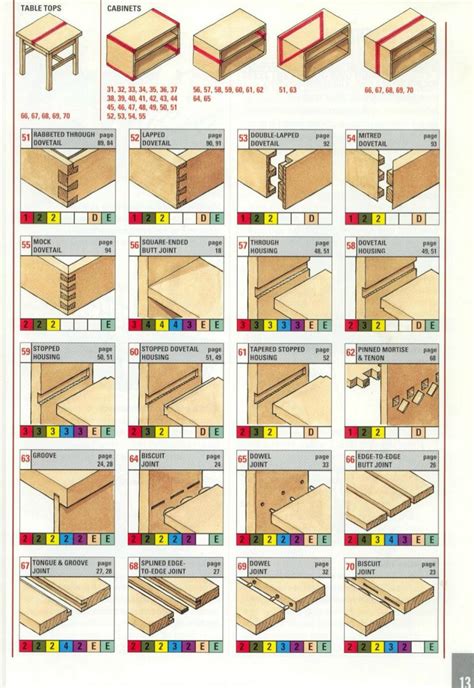
A low price tag loses its appeal if the furniture fails structurally within a few months of daily household use. When evaluating discounted sofas, media consoles, or coffee tables, prioritize structural integrity over superficial appearance. Solid hardwood frames joined with dowels, corner blocks, and screws indicate long-term durability, whereas frames constructed solely from particleboard or stapled plywood often wobble and degrade under heavy weight. For upholstered seating, examine the suspension system; eight-way hand-tied springs or high-gauge sinuous wire coils provide superior support compared to basic elastic webbing that sags quickly.
Fabric quality and foam density also dictate how well a clearance sofa or accent chair will withstand everyday life. High-density polyurethane foam wrapped in Dacron or down-blend pillows maintains its loft and comfort significantly longer than cheap, low-density foam that flattens out rapidly. If you are shopping for wood or metal accent furniture on clearance, inspect the hardware tracks, hinges, and joint connections. Checking these foundational elements ensures that your discounted furniture investment delivers genuine longevity rather than turning into an expensive temporary fix.
Accounting for Hidden Logistics and Total Cost of Ownership
One of the most common pitfalls when shopping for clearance living room furniture is overlooking fulfillment and delivery fees. While scoring a best-selling sofa at a fifty percent discount feels like an undeniable victory, steep freight charges or mandatory white-glove delivery fees can quickly neutralize those financial savings. U.S. shoppers must always calculate the out-the-door total cost, including local taxes, delivery surcharges, and assembly fees, before comparing deals across different online storefronts and brick-and-mortar showrooms.
Furthermore, consider your own capacity for transport if you choose to pick up clearance items directly from a local warehouse or retail outlet. Large sectionals, heavy coffee tables, and bulky media centers require adequate vehicle space and protective moving blankets to prevent transit damage. Renting a utility truck or enlisting help adds nominal expenses that should be weighed against the retailer’s home delivery rates. Keeping a comprehensive ledger of these secondary costs ensures your clearance strategy remains genuinely budget-friendly from purchase to placement.
Styling and Integrating Clearance Find Into Your Existing Decor

Bringing home a discounted statement piece requires thoughtful curation so that your living room feels cohesive rather than mismatched. When a clearance accent chair or coffee table arrives with a distinct finish or texture, anchor it within the room by repeating its primary color or material through smaller decor accessories. For instance, pair a clearance leather armchair with throw pillows, woven baskets, or wall art that shares similar earthy undertones, creating a balanced visual dialogue across the entire space.
Mixing modern clearance finds with vintage or existing heirloom furniture adds rich layers of character to your interior design. Do not feel pressured to match every wood stain or upholstery fabric in the room; curated eclecticism often feels more sophisticated and intentional than uniform matching sets. By focusing on harmonious scale, complementary color palettes, and thoughtful lighting, your clearance living room upgrades will look purposefully designed and deeply personal.
Frequently Asked Questions
Where can I find the best clearance deals on living room furniture in the U.S.?
The best clearance deals can be found through major national furniture retailers’ online clearance tabs, dedicated outlet stores, and regional liquidation centers. Shopping during seasonal transitions like late winter and late summer yields the widest selection of heavily discounted, best-selling inventory.
Are clearance furniture items usually damaged or of lower quality?
Not necessarily. While some clearance items are floor models or open-box returns that may show minor wear, the vast majority of clearance furniture consists of brand-new, overstocked, or discontinued items from top manufacturers that maintain their standard build quality and durability.
How much can I typically save on living room furniture during clearance events?
Savings during major furniture clearance events typically range from 20% to 60% off the original retail price, depending on whether the item is a seasonal overstock, a discontinued line, or a final-sale floor sample.
What should I look out for when buying final-sale clearance furniture?
Because final-sale items cannot be returned or exchanged, you must verify exact room dimensions, inspect material descriptions carefully, review return exceptions, and account for delivery logistics to ensure the piece fits your space permanently.