Stepping into a home with a compact foyer or a narrow hallway presents an immediate design challenge. You need a dedicated spot to drop your keys, sort mail, and anchor the room visually, but traditional furniture often overwhelms the footprint. Mini console tables offer a purposeful solution, delivering essential surface area without blocking high-traffic paths. Selecting the right piece requires balancing physical dimensions with visual weight, ensuring your entrance feels welcoming rather than constricted.
When dealing with restricted square footage, every inch counts toward maintaining smooth human traffic flow. Understanding how to assess your space, recognizing structural trade-offs, and adopting minimalist styling strategies will help you transform an awkward threshold into an organized, elegant welcome zone.
Defining the Mini Console Table and Assessing Your Space
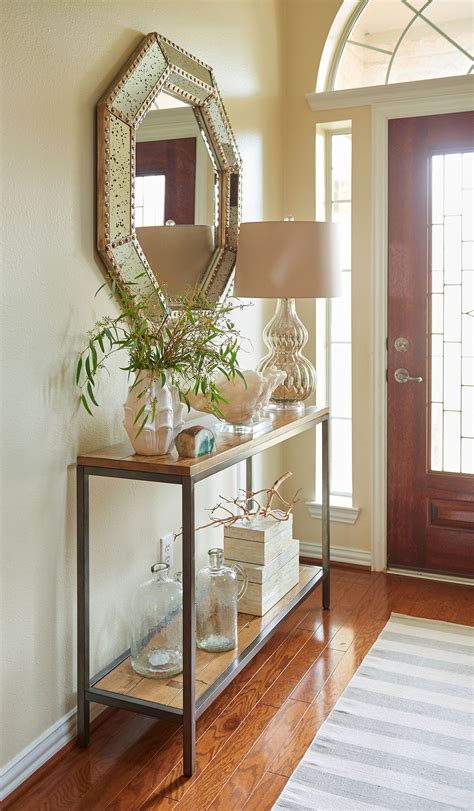
A standard console table typically measures between 12 to 18 inches in depth and stretches roughly 48 to 60 inches long. In contrast, a mini console table condenses these proportions, often featuring a depth of just 8 to 12 inches and a width under 36 inches. These scaled-down dimensions make them uniquely suited for tight corridors, apartment foyers, and transitional spaces where standard furnishings would create an obstruction hazard.
Before purchasing any furniture piece, evaluate your floor plan by measuring the exact clearance width of your hallway. Interior design standards suggest leaving at least 36 inches of open walking path to prevent the area from feeling bottlenecked. Use painter’s tape on the floor to outline the prospective footprint of a mini console, allowing you to walk past it and open nearby doors safely before committing to a specific size.
Key Structural Configurations: Floating vs. Freestanding
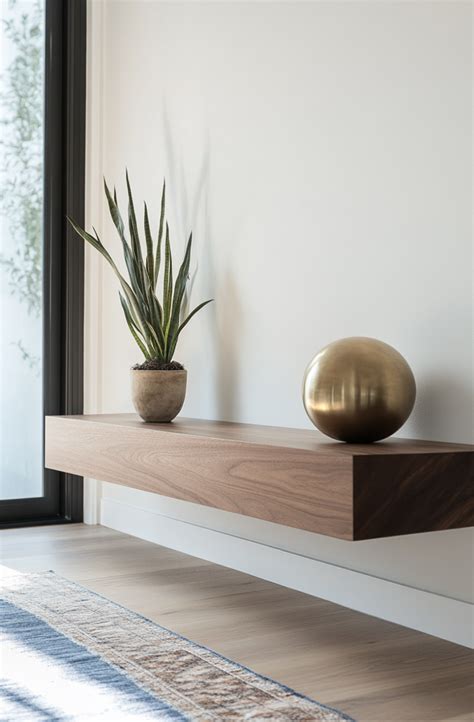
Choosing between a wall-mounted floating console and a traditional freestanding mini table depends heavily on your wall construction and desired aesthetic. Floating consoles eliminate legs entirely, attaching directly to wall studs. This design creates an airy, weightless look and allows you to store baskets or shoes directly underneath the surface, maximizing every square inch of vertical space.
Freestanding mini consoles, on the other hand, offer the benefit of mobility and do not require drilling into drywall, making them ideal for renters or frequently changing layouts. Look for freestanding models with slender iron frames or acrylic legs. These transparent or open-frame materials allow light to pass right through the furniture, tricking the eye into perceiving a larger, more open entryway.
Essential Features for Small-Footprint Entryways
Storage functionality remains a primary concern even in compact zones, making feature selection crucial. Drawers help conceal clutter like loose change, sunglasses, and mail, keeping the top surface clean and uncluttered. However, drawers add bulk to a piece, so consider models with shallow, integrated profiles rather than deep, heavy boxes that stick out into the corridor.
Material durability and safety also demand careful attention in high-traffic entryways where bags are tossed down and elbows lean against edges. Solid hardwoods offer long-term resilience, while tempered glass tops paired with metal bases provide a modern, scratch-resistant surface. Always ensure that tall, narrow freestanding units come with anti-tip wall anchoring kits to prevent accidents, especially in households with pets or children.
Creative Styling Strategies to Avoid Visual Clutter
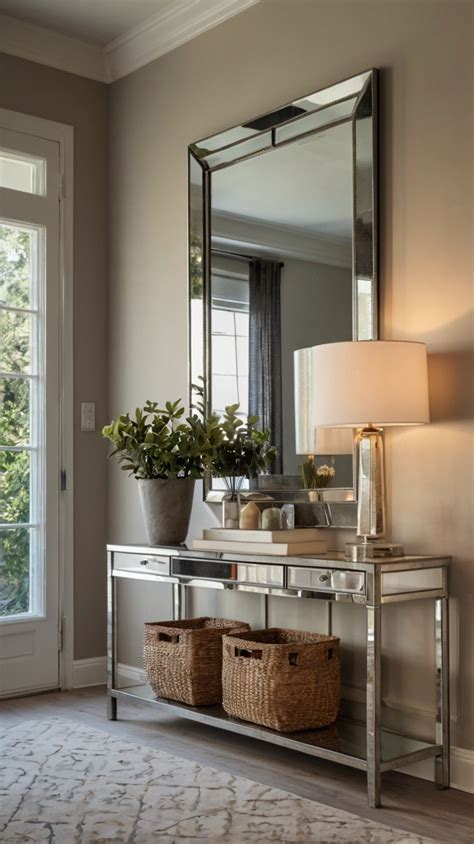
Styling a mini console table requires a restrained approach to prevent the entryway from looking chaotic. Adopt the rule of asymmetry by pairing one tall element, such as a slim table lamp or a round wall mirror, with a lower decorative tray for keys. This creates visual movement without overwhelming a small surface area.
Keep decorative objects to a minimum, ensuring that utility and beauty work in tandem. A single small ceramic bowl for everyday items and a low-profile potted plant or succulent are usually sufficient. By keeping the floor beneath the table clear or organized with a single woven basket, you preserve the visual breathing room that makes compact spaces feel deliberate and well-designed.
Frequently Asked Questions
What is considered a mini console table?
A mini console table is generally classified as a narrow surface measuring less than 36 inches in width and typically between 8 to 12 inches in depth. It is specifically built for tight hallways and compact entryways where standard console tables would obstruct foot traffic.
How do I choose a console table for a very narrow hallway?
For very narrow corridors, prioritize ultra-shallow depths of 8 to 10 inches and consider floating wall-mounted designs. Ensure there is still at least 36 inches of clear walking space remaining so the hallway remains functional and compliant with basic spatial guidelines.
Are floating shelves better than freestanding mini consoles?
Floating shelves are superior for creating an illusion of space because they leave the floor completely bare, making small entryways feel larger. However, freestanding mini consoles are better for renters who want to avoid wall installation or those who prefer easy mobility when rearranging.
How can I style a small entryway without making it look cluttered?
To prevent clutter, limit tabletop decor to two or three functional items, such as a tray for keys and a slim lamp or mirror. Keep extra storage confined to a single basket tucked neatly underneath the table rather than scattering items across multiple surfaces.