Creating a living room that genuinely feels like a sanctuary does not require a complete architectural overhaul or an unlimited budget. Professional interior designers often rely on small, deliberate adjustments that shift the psychological perception of a space, making it instantly warmer and more inviting. Whether you own a spacious suburban home or rent a compact urban apartment, achieving that sought-after cocoon-like atmosphere is entirely possible through strategic choices in lighting, textiles, and layout.
The secret to a truly cozy room lies in layering. When a space features varied light sources, rich tactile surfaces, and intimate furniture arrangements, it stops feeling sterile and starts feeling personal. Below are twenty professional strategies carefully curated to help you transform your living room atmosphere rapidly, using practical methods that balance aesthetic appeal with everyday comfort.
Mastering Light and Ambiance
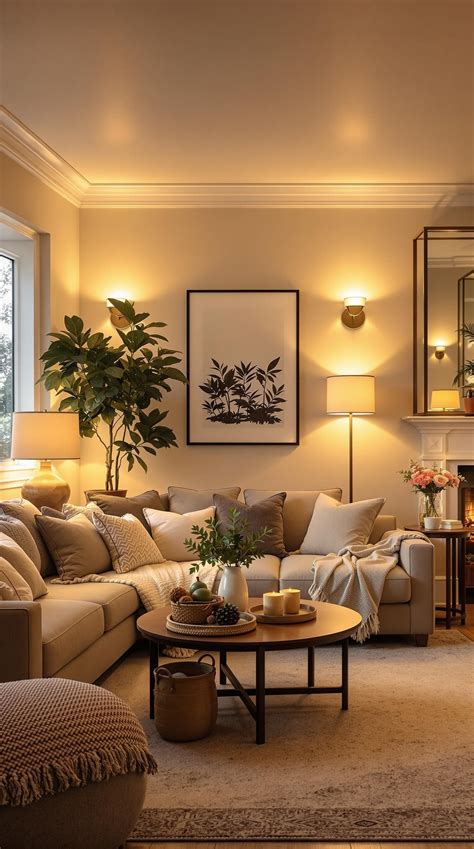
Lighting is the single most powerful tool in interior design for dictating mood. Overhead lighting alone often flattens a room and creates harsh shadows that work against a cozy aesthetic. Designers instead use ambient, task, and accent lighting at varying heights to cultivate depth and intimacy.
IMAGE_PLACEHOLDER_1
1. Swap Cool Bulbs for Warm Temperatures
Check the Kelvin rating on your lightbulbs immediately. Anything above 3000K emits a clinical, blue-toned light that instantly kills coziness. Switch to bulbs rated between 2200K and 2700K to mimic the soft, golden glow of incandescent light or a living fire.
2. Embrace the Rule of Three Lighting Sources
Never rely on a single light source in a living room. Professional designers ensure every room has at least three distinct points of illumination—such as a floor lamp, a table lamp, and a wall sconce or picture light—distributed at different heights.
3. Utilize Dimmers Everywhere
Installing dimmer switches or plugging lamps into smart dimmable plugs allows you to scale back illumination during evening hours. Lowering light levels tricks the brain into relaxation mode, making the room feel instantly more private and secure.
Layering Textiles and Upholstery
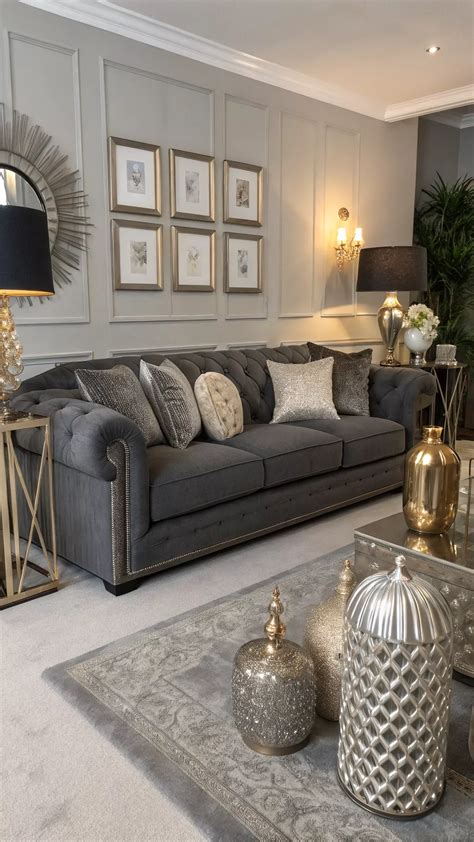
A sterile room usually suffers from a lack of textural diversity. When hard surfaces like drywall, glass, and wood dominate, sound bounces and the room feels cold. Soft furnishings absorb sound and introduce physical comfort that you can see and feel.
IMAGE_PLACEHOLDER_2
4. Anchor the Space with a Plush Rug
Hardwood or tile floors need the softening buffer of a generous area rug. Choose materials like wool, high-pile synthetic blends, or vintage-washed wool that feel substantial underfoot and visually anchor your seating arrangement.
5. Mix Tactile Throw Pillows
Avoid matching pillow sets from big-box stores. Instead, combine diverse textures like chunky cable-knit, smooth velvet, raw linen, and woven leather. This tactile variety invites touch and adds immediate depth to your sofa.
6. Drape Heavy Throws Casually
Fold a heavy faux-fur or textured cotton throw blanket over the corner of a sofa or armchair rather than folding it neatly. A casual drape suggests ease and availability, reminding anyone entering the room to sit down and get comfortable.
7. Hang Floor-to-Ceiling Drapery
Even if your windows are standard size, mounting curtain rods near the ceiling and letting long fabric panels pool slightly on the floor creates a grand, cocooned feel. Choose medium-to-heavyweight fabrics like linen blends or velvet.
Refining Layout and Scale
How furniture is positioned dictates human behavior within a room. Pushing every piece of furniture against the perimeter walls creates a cavernous center that discourages conversation and intimacy.
8. Pull Furniture Away from Walls
Float your sofa and armchairs inward, even if it is just a few inches. Creating breathing room around your larger furniture pieces makes the room feel thoughtfully curated rather than awkwardly stuffed.
9. Create Conversation Clusters
Arrange seating so that people naturally face one another rather than staring exclusively at a television screen. Angling two armchairs toward a sofa fosters natural dialogue and an intimate atmosphere.
10. Introduce Curved Silhouettes
Straight lines and sharp 90-degree angles can feel rigid. Introduce organic curves through a round coffee table, an arched floor lamp, or a barrel-back armchair to soften the room’s overall geometry.
Incorporating Natural Elements
Bringing elements of the outdoors inside grounds a living space and provides a soothing psychological anchor. Organic materials age gracefully and add authenticity that manufactured decor cannot replicate.
11. Style with Living Greenery
Place potted plants such as a fiddle-leaf fig, trailing pothos, or a sculptural snake plant in empty corners. Plants introduce vibrant life, improve air quality visually, and break up monotonous wall lines.
12. Showcase Raw Wood Accents
Incorporate raw or reclaimed wood through side tables, decorative bowls, or exposed shelving. The natural grain and warm undertones of wood instantly warm up neutral or cool-toned color schemes.
13. Add Natural Stone or Terracotta
Use terracotta planters, travertine coasters, or marble trays. These heavy, earthy materials contribute subtle variations in tone and texture that elevate the room’s tactile profile.
Personalizing with Color and Sensory Details
Coziness is ultimately a feeling of safety and personal connection. The final layer involves engaging all five senses and wrapping the room in a comforting color palette.
14. Opt for Moody, Grounding Wall Colors
If you are ready to paint, move away from stark sterile whites and explore warm neutrals like greige, muted olive, terracotta, or deep charcoal. These hues absorb light and create an embrace-like atmosphere.
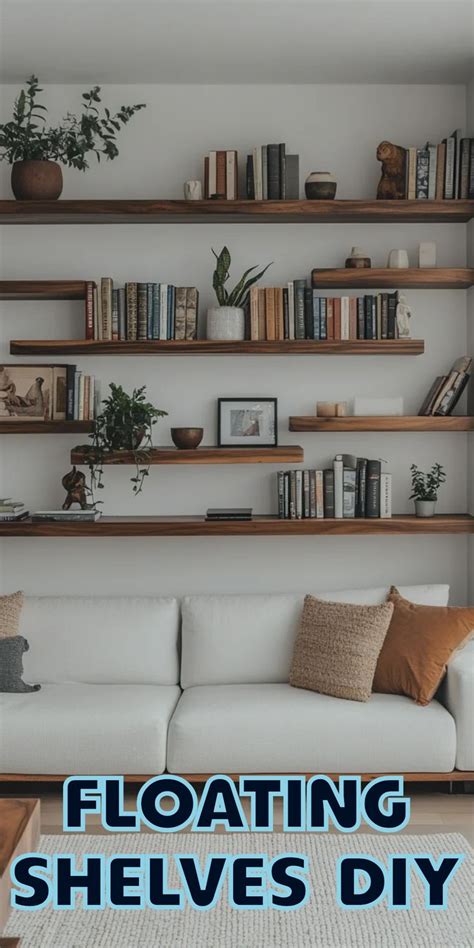
15. Use Books as Decor and Insulation
Fill bookshelves with well-loved reads. Books naturally absorb ambient sound, reduce echo, and infuse the room with a sense of lived-in history and intellectual comfort.
16. Engage the Sense of Smell
Scent plays a massive role in how cozy a space feels. Introduce subtle, grounding aromas like cedarwood, amber, vanilla, or crisp linen through soy candles or reed diffusers.
17. Incorporate Ambient Sound
Acoustic comfort matters. Introduce a small tabletop water feature, or keep a Bluetooth speaker nearby to play low-volume acoustic melodies or ambient rain sounds during stormy evenings.
18. Display Meaningful Personal Artifacts
Swap generic mass-produced art for framed family photographs, travel mementos, or handmade pottery. Personal artifacts tell a story and make the space feel uniquely yours rather than a showroom.
19. Utilize Amber Glass Decor
Style bookshelves or tabletops with amber or smoke-tinted glassware. When sunlight or lamp light passes through tinted glass, it casts a warm, honeyed glow across the surrounding surfaces.
20. Embrace Imperfection
Perfection feels intimidating. Allow your living room to look lived-in by leaving an open book on the coffee table, a mug on a coaster, or a throw blanket slightly rumpled. True coziness welcomes human presence without apology.
Frequently Asked Questions
How can I make my living room cozy instantly without spending much money?
You can instantly increase coziness on a budget by adjusting your lighting. Swap harsh cool lightbulbs for warm 2700K options, turn off overhead lights in favor of table lamps, and gather existing throw blankets and pillows onto your seating areas to create immediate tactile warmth.
What lighting tricks do interior designers use to make spaces feel warm?
Designers rely on lighting at multiple heights rather than a single overhead source. They use warm-temperature bulbs, table lamps with fabric shades to diffuse light softly, and dimmer switches to lower illumination levels during evening hours.
How do I make a sterile living room feel less cold?
Combat a cold room by introducing tactile variety. Add a high-pile area rug to cover hard flooring, hang floor-to-ceiling curtains to soften walls, and incorporate organic materials like raw wood, woven baskets, and indoor plants.
Can renters create a cozy living room without making permanent changes?
Absolutely. Renters can achieve high-end coziness using non-permanent solutions such as plug-in wall sconces, plug-in dimmers, renter-friendly peel-and-stick window film, large area rugs, and strategic furniture arrangements that pull seating away from walls.