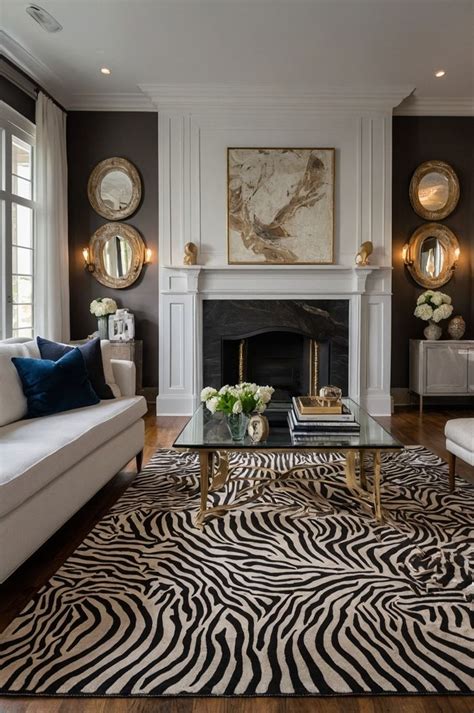
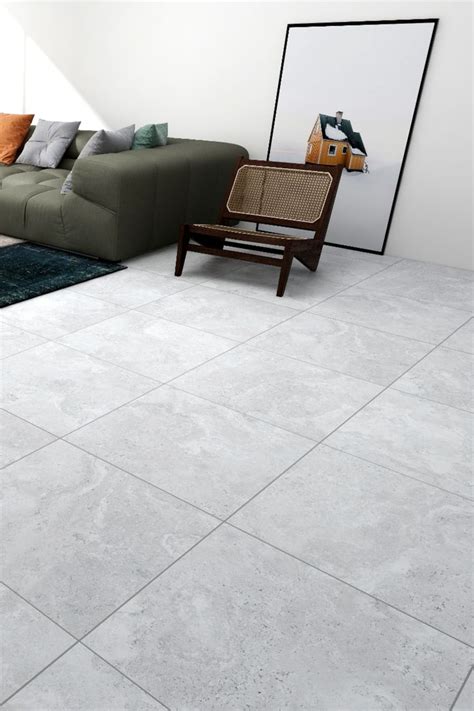
Creating a warm, inviting atmosphere in a contemporary American home often comes down to layering textures rather than just purchasing furniture. Hardwood, laminate, and vinyl flooring offer clean lines and modern appeal, but they can sometimes feel sterile or acoustically harsh without soft textiles to balance the room. Introducing a plush textural element immediately shifts the visual temperature of a space, making it feel grounded and welcoming.
This balance of modern aesthetics and tactile comfort is precisely why shaggy floor coverings have remained a staple in interior design. When exploring options like EasyJoy’s ultra soft shaggy rugs, homeowners and renters alike discover an effortless way to upgrade their living areas. By understanding how to select the right dimensions, integrate color schemes, and maintain high-pile textures, you can completely redefine the mood of any room in your house.
Defining Cozy Elegance Through High-Pile Textures
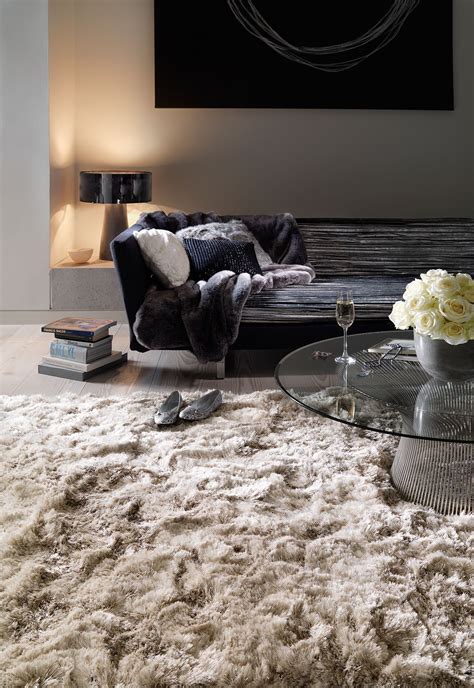
Cozy elegance bridges the gap between sophisticated design and everyday liveability. It avoids the intimidation of formal drawing rooms while steering clear of overly casual dorm-room aesthetics. Achieving this look relies heavily on contrast: pairing sleek metallic accents, clean-lined wooden furniture, or structured leather sofas with soft, organic surfaces that invite touch and relaxation.
High-pile shaggy rugs excel in creating this exact contrast. Their dense, elongated fibers catch the light differently throughout the day, adding depth and shadow to neutral floors. Whether you reside in a sprawling suburban residence or a compact urban apartment, incorporating a plush surface softens the entire footprint of the room. It acts as a visual anchor that pulls disparate furniture pieces together into a unified, harmonious layout.
Strategic Placement in Living Rooms and Bedrooms
Room layout plays a crucial role in maximizing the impact of your decor. In standard American living rooms, a common mistake is choosing a rug that floats awkwardly in the center of the space without interacting with the surrounding furniture. To anchor your seating arrangement correctly, aim for a layout where either all major furniture legs rest on the rug, or at least the front legs of your sofa and armchairs sit comfortably on the perimeter.
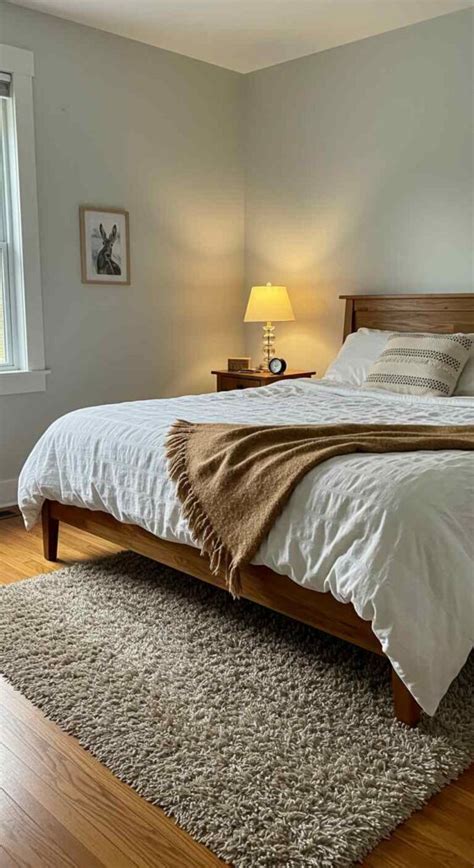
Bedrooms present an entirely different yet equally rewarding opportunity for plush floor textiles. Waking up and stepping onto a dense, velvety surface instantly changes the morning routine. Placing an oversized shaggy rug beneath your bed frame—extending generously past the sides and foot—creates a boutique-hotel sensation right in your personal sanctuary. In smaller guest rooms or nurseries, a smaller accent rug beside the bed provides localized comfort without overwhelming the floor plan.
Selecting the Right Size and Color for Your U.S. Floor Plan

Choosing the correct rug dimensions requires measuring your room while accounting for doorways, heating vents, and baseboard radiators common in American housing. A rug that is too small can make a spacious living room feel fragmented, whereas a properly proportioned rug unifies the space. Standard living room layouts typically benefit from 8×10 or 9×12 dimensions, while smaller apartments often thrive with 5×8 options placed beneath a coffee table and media console.
Color selection should reflect both your lighting conditions and your lifestyle needs. Neutral tones such as ivory, light gray, and beige amplify natural sunlight and make smaller rooms feel expansive. If your household experiences heavy foot traffic or includes pets and children, subtle multi-toned or deeper charcoal variations help camouflage everyday dust while maintaining a luxurious appearance. Matching these tones to existing throw pillows, window treatments, and wall colors ensures a cohesive design narrative.
Practical Maintenance and Care for Long-Lasting Softness
High-pile rugs require a thoughtful cleaning routine to preserve their initial fluffiness and tactile appeal. Regular vacuuming is essential, but you should always disengage the rotating beater bar or brush roll to prevent pulling or fraying the delicate fibers. Instead, use suction-only attachments to lift surface dirt and dust particles trapped deep within the weave on a weekly basis.
Addressing spills promptly prevents stains from settling into the plush material. Blot—never rub—the affected area with a clean white cloth and a mild detergent solution designed for synthetic or wool-blend textiles. For rental apartments where permanent flooring must be protected, pairing your shaggy rug with a quality non-slip rug pad not only prevents shifting on slick laminate or hardwood floors but also adds an extra layer of underfoot cushioning.
Frequently Asked Questions
How do I choose the right size shaggy rug for my living room or bedroom?
To choose the right size, measure your furniture layout rather than just the room dimensions. In a living room, ensure the rug is large enough for all main furniture legs to rest on it, or at least the front legs of your sofa and chairs. In a bedroom, the rug should extend at least 18 to 24 inches beyond the sides of the bed to provide a comfortable landing surface.
Are ultra-soft shaggy rugs easy to clean and maintain in high-traffic areas?
Yes, provided you follow a consistent maintenance routine. Regular vacuuming using a suction-only setting prevents dirt buildup without damaging the pile. For high-traffic areas, spot-cleaning spills immediately with mild soap and water keeps the fibers looking fresh and soft over time.
How can I style a shaggy rug to achieve a modern yet cozy aesthetic?
To balance modern design with cozy elements, pair the plush texture of the rug with sleek furniture pieces like glass coffee tables, metal floor lamps, or structured leather seating. This contrast prevents the room from looking cluttered while maximizing visual warmth.
Why are shaggy rugs popular for both U.S. homeowners and renters?
Shaggy rugs are versatile favorites because they instantly warm up rental apartments with hard flooring without requiring permanent installations. They provide affordable luxury, acoustic dampening, and a quick way to personalize rented or owned spaces.