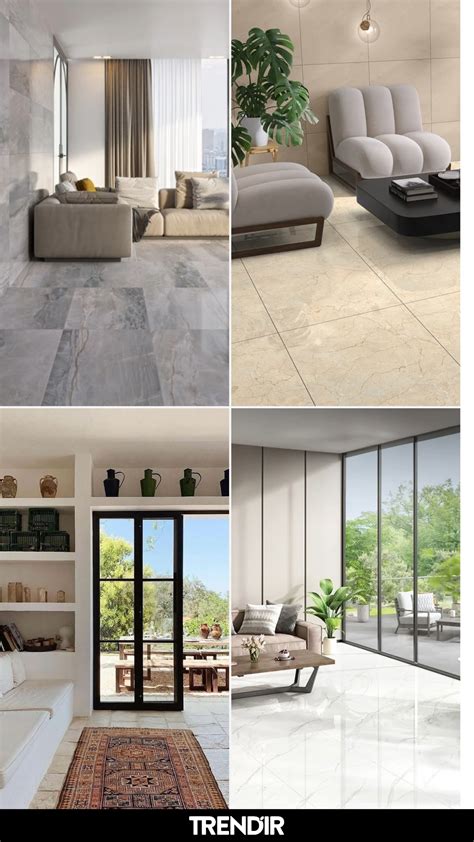
Grey tile flooring offers incredible durability, sleek modern lines, and effortless maintenance, making it a popular choice for contemporary living rooms. However, its aesthetic trade-off can sometimes be a stark, chilly atmosphere. Because grey is a cool neutral tone and tile surfaces naturally reflect light in a clinical way, a living room with this foundation can easily feel more like a commercial lobby than a cozy residential sanctuary. Fortunately, you do not need to embark on a disruptive and expensive flooring replacement to fix this issue. Strategic illumination acts as a powerful design tool capable of fundamentally shifting the psychological temperature of your space.
By understanding how light interacts with hard stone or ceramic surfaces, you can counteract sterile grey tones entirely through thoughtful fixture placement, bulb selection, and layered brightness. Whether you own your home or rent an apartment, adjusting your lighting strategy transforms cold tile from an intimidating design hurdle into a sophisticated base for a warm, inviting living area.
Mastering Color Temperature for Grey Interiors
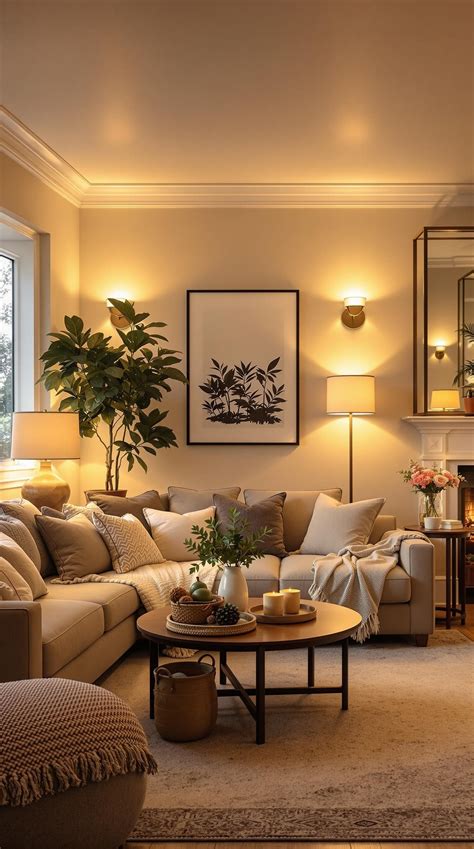
The single most influential factor when warming up a grey tile living room is the color temperature of your light bulbs, measured on the Kelvin (K) scale. Many homeowners inadvertently make their cool-toned spaces feel colder by installing standard daylight or bright white bulbs, which generally register above 4000K and emit a stark, bluish tint. In a room with grey tile, this high-Kelvin light bounces off the floor and reinforces a wintry, clinical ambiance that resists all other attempts at cozy styling.
To instantly counteract this effect, switch to warm white bulbs falling strictly within the 2700K to 3000K range. These bulbs emit a golden, amber undertone that softens the harsh edges of grey tile and mimics the comforting glow of traditional incandescent lighting while offering modern energy efficiency. When shopping for bulbs, always check the packaging rather than relying on marketing terms like soft white, as manufacturers vary widely in their labeling. Aiming for this specific warm spectrum sets an immediate baseline of comfort before you even introduce furniture or textiles.
Balancing Lumens and Brightness in Low-Light Rooms
While warm color temperature is essential, you must also monitor the brightness, or lumens, of your bulbs to avoid creating a dim, cavernous environment. Grey tile absorbs less light than deep carpets, meaning stray illumination bounces around unpredictably and can create harsh, unflattering shadows if concentrated in a single overhead source. Instead of relying on one blinding central ceiling light, distribute your lumens across multiple lower-wattage bulbs scattered throughout the room.
For instance, pairing a pair of 450-lumen table lamps with a 800-lumen floor lamp creates a balanced, multi-source glow that feels organic and welcoming. This distributed brightness ensures that the grey tile floors catch gentle glimmers of light from various angles rather than a single glaring focal point, softening the overall visual weight of the hard flooring.
Layering Ambient, Task, and Accent Lighting
Relying on a single source of overhead illumination is the fastest way to make any living room feel flat, but it is particularly detrimental in spaces with hard tile flooring. Professional interior designers always rely on the three-layer approach—ambient, task, and accent lighting—to build visual depth and eliminate cold shadows. Ambient lighting provides overall illumination, task lighting supports specific activities like reading, and accent lighting highlights architectural features or decor.
In a room with cold grey tile, layering becomes your primary defense against sterility. Start by dimming your harsh overhead fixtures and supplementing them with eye-level and low-level light sources. Placing a warm torchiere floor lamp in a dark corner bounces soft light off the ceiling down toward the floor, while a stylish table lamp on a side console brings illumination down to human scale. This variation in height tricks the eye away from the cold expanse of the floor and draws attention toward cozy, lived-in vignettes.
Illuminating Dark Corners and Corners with Floor Lamps
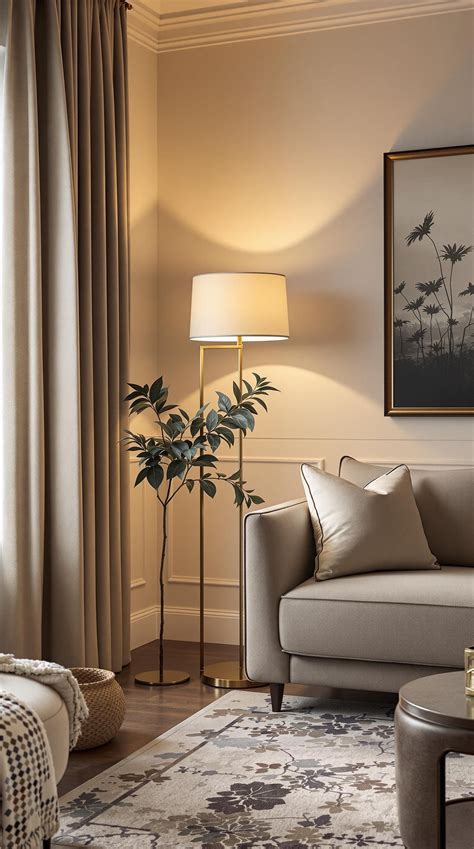
Dark corners in a living room can make the entire space feel smaller and colder, a problem that is compounded when cool grey tile reflects those shadowy pockets. Position tall, sculptural floor lamps in neglected corners to push warm light outward and upward, effectively expanding the visual boundaries of the room. Look for fixtures featuring amber or smoked glass shades, or woven rattan and fabric drums that filter the light and cast intricate, warm patterns across the grey floor.
Furthermore, consider placing uplights behind large houseplants or behind heavy wooden furniture pieces. When warm light washes up a textured wall or filters through green foliage before hitting the grey tile, it introduces organic warmth that balances the synthetic, industrial nature of the stone surface.
Strategic Placement and Reflective Surfaces
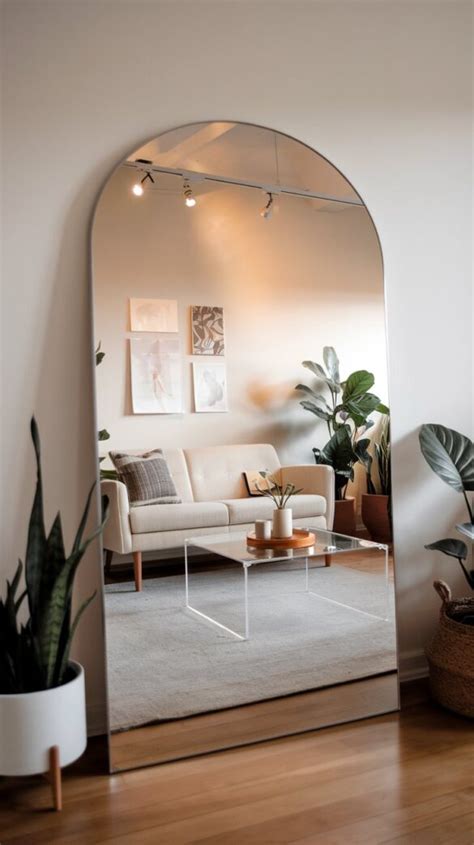
Because tile is inherently reflective, you can use physics to your advantage by strategically positioning light sources and reflective decor to maximize warmth. If your living room receives limited natural sunlight, placing a large decorative mirror opposite your main window or next to a stylish table lamp will double the impact of the illumination. The mirror captures the warm artificial glow and sweeps it across the room, ensuring that light reaches the darkest expanses of your grey tile floor.
Additionally, pay attention to the finish of your tile and how it interacts with light fixtures. If your tiles feature a high-gloss finish, avoid pointing direct spotlights downward, as this creates blinding glare that highlights dust and imperfections. Instead, opt for diffused, multidirectional lighting that spreads a soft wash over glossy surfaces. For matte tiles, lower-profile lighting positioned closer to the floor, such as stylish wall sconces or console lamps, helps accentuate the subtle texture of the stone without casting harsh, cold highlights.
Embracing Smart Lighting for Dynamic Ambiance
Modern smart lighting technology offers an effortless way to manage the shifting moods of your living room throughout the day. Grey tile can look particularly dreary on overcast days or during twilight hours when natural light completely fades. Smart bulbs and dimmer switches allow you to program dynamic schedules that automatically shift your room’s color temperature and intensity as the sun goes down.
During bright morning hours, you can program your smart bulbs to a neutral, crisp white that energizes the space. As evening approaches, schedule the system to gradually transition into a deeply warm, amber glow that mellows the grey tile and prepares your living room for relaxation. Incorporating smart plugs or wireless dimmers also makes it easy to control multiple lamps simultaneously, ensuring you can instantly transform a cold room into a cozy haven with a single voice command or tap on your smartphone.
Frequently Asked Questions
What color light bulb is best for a grey tile living room?
Warm white bulbs ranging between 2700K and 3000K are ideal for grey tile living rooms. This temperature range emits a golden, welcoming glow that counteracts the cold, bluish undertones of grey flooring and creates a cozy atmosphere.
How can I make cold tile floors feel warmer using lighting?
To make cold tile floors feel visually warmer, avoid harsh overhead lighting and instead use multiple low-level light sources like floor lamps and table lamps with warm-toned bulbs. The distributed, soft illumination prevents harsh shadows and adds an inviting amber glow across the floor.
Where should I place lamps in a living room with poor natural light?
In a low-light living room, place tall floor lamps in dark corners to bounce light upward and outward, and position table lamps on sideboards or low consoles to bring illumination down to human eye level. You can also place mirrors opposite these light sources to amplify and distribute the glow across the entire space.
Are smart bulbs worth it for managing room temperature and lighting?
Yes, smart bulbs are exceptionally useful because they allow you to adjust both brightness and color temperature dynamically throughout the day. You can program them to provide crisp light during the day and transition into a warm, cozy amber hue as evening falls, completely changing the mood of a sterile room.