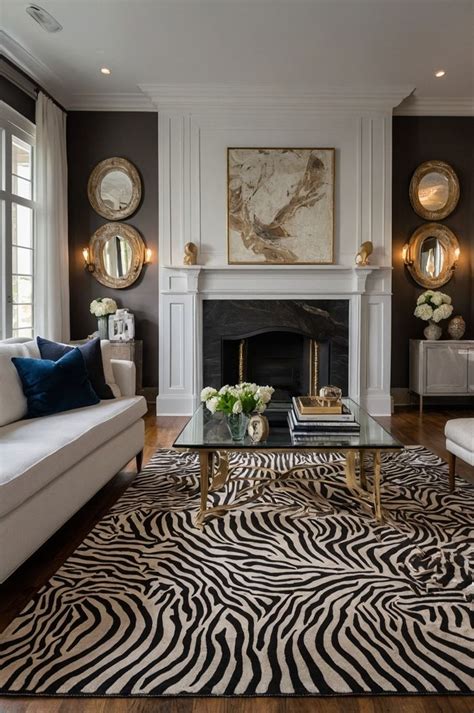
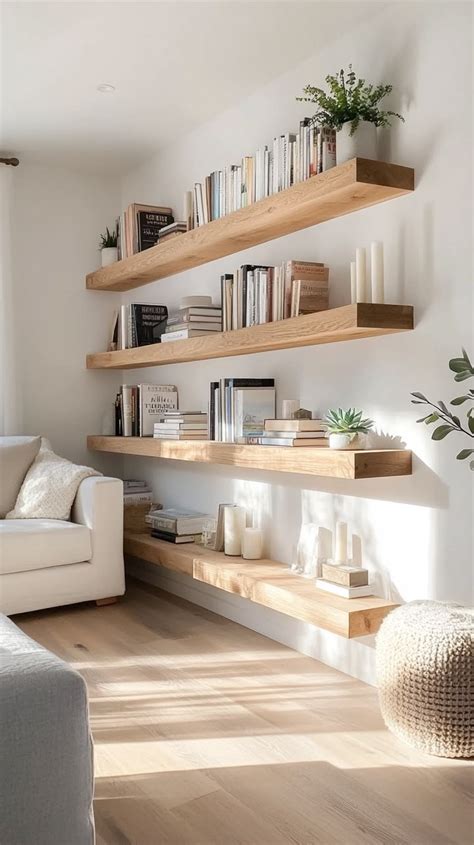
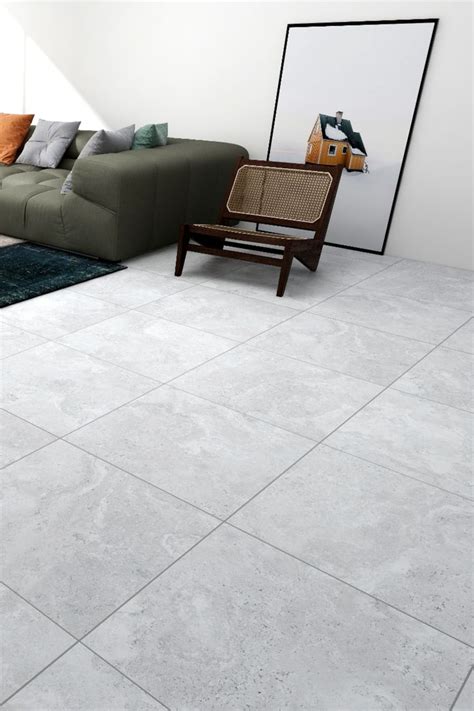
When planning a flooring update, grey porcelain and ceramic floor tiles offer a remarkable blend of understated elegance and lasting resilience. Across modern American households, grey has firmly established itself as a neutral favorite. It provides a sophisticated backdrop that complements everything from minimalist urban apartments to sprawling suburban farmhouses. However, stepping into a tile showroom or browsing online catalogs reveals a dizzying array of finishes, shades, and technical specifications that can easily overwhelm even the most prepared homeowner.
Choosing the right floor tile goes far beyond picking a pleasing shade of charcoal or dove grey. It requires understanding how clay compositions, firing temperatures, and surface treatments impact everyday performance in high-traffic zones like kitchens, entryways, and bathrooms. By balancing aesthetic desires with practical material science, you can select flooring that not only looks stunning on day one but withstands the demands of family life, pets, and shifting seasonal temperatures for years to come.
Porcelain Versus Ceramic: Understanding the Core Differences
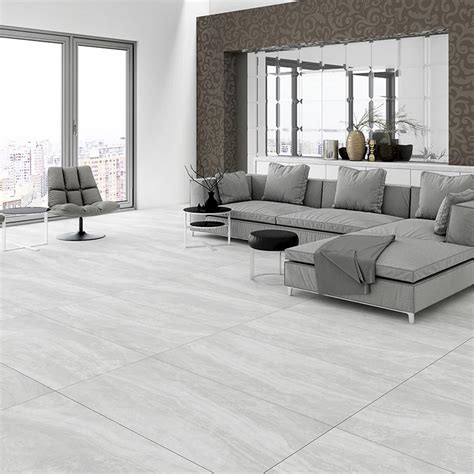
At first glance, porcelain and ceramic tiles look remarkably similar, leading many shoppers to use the terms interchangeably. Both materials are crafted from natural clays and minerals, shaped, and then fired in a kiln. However, their structural composition and manufacturing processes result in distinctly different performance levels, particularly when installed on floors throughout a busy household.
Ceramic tile is made from red, white, or brown clay and fired at slightly lower temperatures. This creates a slightly more porous and less dense material that is exceptionally easy to cut and handle during installation. Porcelain tile, on the other hand, is manufactured using refined, finer-grained clay and fired at much higher temperatures. This intense heat vitrifies the material, making it remarkably dense, impervious to moisture, and exceptionally durable against heavy impacts and daily wear.
When to Choose Ceramic for Your Floor
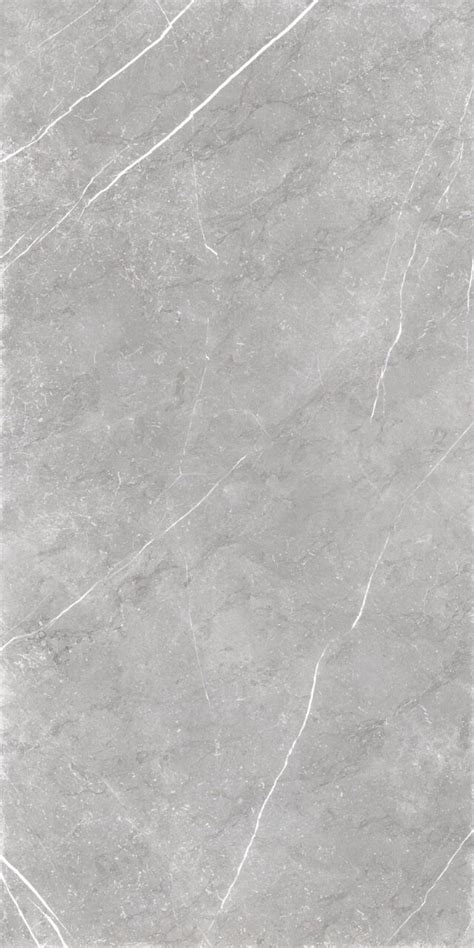
Ceramic floor tiles remain a popular and cost-effective choice for rooms with moderate foot traffic, such as guest bathrooms, laundry rooms, or low-impact living spaces. Because ceramic is softer and less dense than porcelain, it is generally easier for DIYers to cut with standard wet saws or manual snap cutters, potentially reducing installation labor costs.
Another advantage of ceramic tile is its broad versatility in decorative glazes and hand-painted patterns. If you want to introduce intricate geometric motifs, vibrant splashes of color, or rustic terracotta-adjacent undertones with a grey glaze, ceramic lines often provide an expansive palette of artistic design choices that may not be available in tougher porcelain bodies.
When Porcelain is the Superior Investment
For high-traffic zones, open-concept kitchens, mudrooms, and primary bathrooms, porcelain floor tiles are nearly always the wiser investment. Their low water absorption rate—typically less than 0.5 percent—means they resist moisture infiltration, freezing temperatures, and staining far better than standard ceramic alternatives.
Porcelain also boasts superior breaking strength and higher ratings on the Porcelain Enamel Institute (PEI) scale, which measures surface abrasion resistance. If you share your home with large dogs, active children, or frequently drag heavy furniture across the floor, porcelain’s through-body density ensures that accidental chips are far less noticeable and structural integrity remains uncompromised.
Exploring Finishes and Textures: Matte, Polished, and Wood-Look
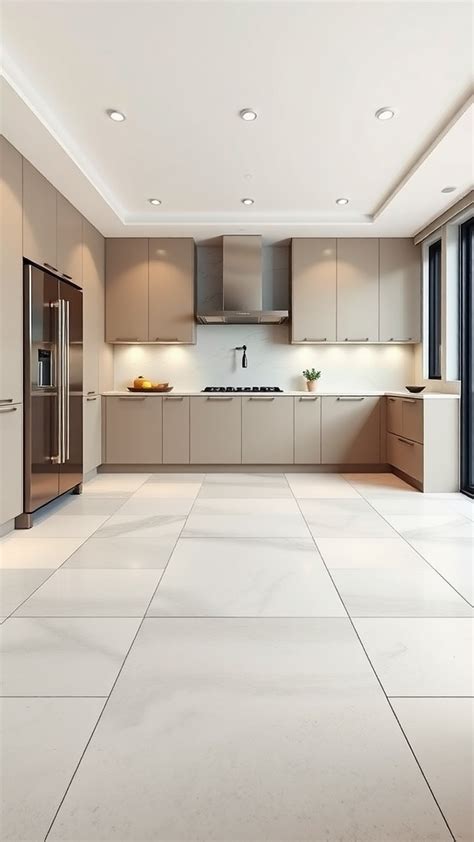
The visual personality of grey floor tile is heavily influenced by its surface finish. Selecting the right finish requires evaluating both the mood you want to create in a room and the practical safety requirements of the space. Lighting conditions throughout the day will also interact with these surfaces, shifting cool grey tones into warmer hues or deepening charcoal shadows.
Matte finishes offer a subdued, contemporary aesthetic that diffuses natural light rather than reflecting it. This makes matte grey tiles an excellent choice for sun-drenched southern-facing rooms where excessive glare from polished surfaces might cause eye strain. Additionally, matte tiles generally provide better slip resistance, making them a sensible preference for wet areas like bathroom floors and busy kitchens.
The Elegance of Polished Surfaces
Polished grey porcelain tiles deliver a high-gloss, reflective surface that instantly elevates the perceived luxury of an entryway, formal dining room, or primary bathroom suite. By bouncing light around the room, polished tiles can make compact spaces feel larger, brighter, and more expansive.
However, that gleaming aesthetic comes with specific trade-offs regarding maintenance and safety. Polished tiles tend to show footprints, water spots, and pet hair much faster than matte surfaces, requiring more frequent dusting and mopping. Moreover, when wet, smooth polished tiles can become slippery, making them less ideal for households with toddlers or elderly family members unless paired with strategic area rugs.
Embracing Wood-Look and Patterned Grey Tiles
If you love the organic warmth of hardwood floors but need the moisture resistance of tile, grey wood-look porcelain planks are a premier design solution. These elongated tiles mimic the grain patterns and knots of weathered oak, ash, or maple while offering complete immunity to warping, water damage, and scratching from pet claws.
Patterned grey tiles, featuring encaustic-style cement designs or subtle geometric lines, allow homeowners to create striking focal points. They work brilliantly as a decorative rug-effect in small entryways or as a statement floor in a powder room, grounding the surrounding neutral decor with visual rhythm and historical charm.
Room-by-Room Styling Guide for U.S. Homes
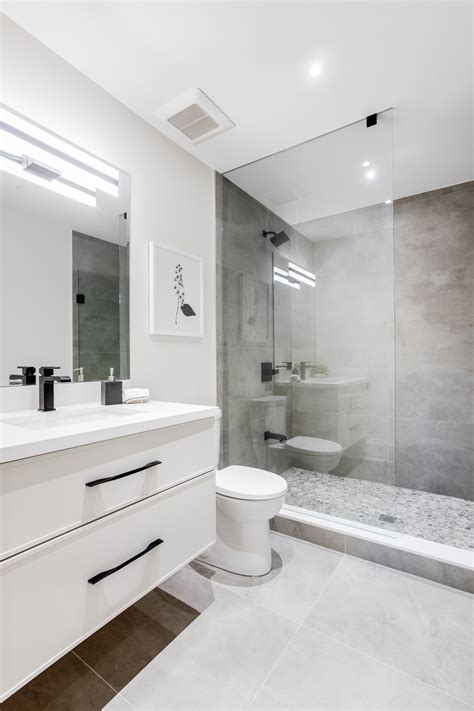
Translating tile trends into a cohesive home design requires tailoring your selections to the specific function of each room. While a sleek, dark charcoal tile might look breathtaking in a spacious, sunlit suburban kitchen, it could easily overwhelm a compact urban powder room.
In open-concept main levels, large-format grey tiles measuring 12×24 inches or even 24×48 inches help minimize grout lines, creating an uninterrupted, seamless flow from the living area into the kitchen. This visual continuity makes modern spaces feel unified and architectural, reducing visual clutter.
Kitchens and Mudrooms: Prioritizing Resilience
Kitchen floors endure dropped utensils, heavy appliance movement, and constant foot traffic. A medium-grey porcelain tile with a textured matte finish hides minor dust and culinary debris exceptionally well between cleanings.
In mudrooms and entryways, where wet boots, snowmelt, and outdoor grit test flooring durability, pairing high-PEI-rated grey tiles with dark grout lines prevents staining in high-impact zones. Selecting a slip-resistant textured surface ensures safety when family members step inside during stormy weather.
Bathrooms and Living Spaces: Balancing Warmth and Comfort
Bathrooms naturally benefit from the water-resistant qualities of grey tile, but floor tile can sometimes feel cold underfoot during chilly winter mornings. Homeowners often solve this by installing electric radiant heating mats underneath porcelain or ceramic tile installations, adding luxurious warmth.
To prevent grey living spaces from feeling sterile or clinical, introduce warm textural counter-elements. Pair grey tile floors with rich leather furniture, warm wood coffee tables, woven jute area rugs, and brass or matte black hardware to create an inviting, balanced interior.
Frequently Asked Questions
Should I choose porcelain or ceramic floor tiles for your space?
Choose porcelain if you are flooring high-traffic zones, moisture-prone areas like bathrooms, or homes with pets and heavy furniture, due to its superior density and durability. Choose ceramic for low-traffic rooms, walls, or decorative accents where budget flexibility and easier cutting are priorities.
How do I keep grey tile floors from looking too cold or sterile?
Counterbalance the cool undertones of grey tiles by incorporating warm elements into your decor. Layer the space with textured natural fiber rugs, warm wood furniture, brass or bronze hardware, and soft textiles like throw blankets and upholstered seating.
What grout colors work best with grey floor tiles?
Matching grout creates a seamless, uniform surface that enlarges the look of a room. Contrasting grout—such as dark charcoal grout with light grey tile or light grey with dark tile—highlights geometric patterns and individual tile shapes for a more graphic, modern aesthetic.
Are grey porcelain tiles durable enough for high-traffic areas like entryways and kitchens?
Yes. Porcelain is specifically engineered for high-traffic environments. When selecting tiles for entryways or kitchens, look for a high PEI (Porcelain Enamel Institute) rating of 4 or 5 to ensure maximum resistance against scratching, heavy impact, and daily wear.