Finding the right balance between clean architectural lines and inviting organic warmth is one of the biggest challenges in contemporary interior design. When decorating modern living spaces, it is easy to lean too heavily into stark neutrals, sleek metals, and minimalist silhouettes that can inadvertently make a home feel sterile. Introducing a 56-inch pecan console table offers a sophisticated solution by bridging the gap between minimalist furniture geometry and the rich, tactile appeal of natural hardwood. This specific length strikes a versatile sweet spot, substantial enough to anchor an open wall yet slender enough to fit into high-traffic zones without disrupting the flow of movement.
Pecan wood is celebrated for its distinctive grain patterns, ranging from subtle straight lines to dramatic cathedrals, alongside a warm, golden-brown hue that deepens gracefully over time. Unlike darker walnuts or lighter maples, pecan carries a mid-tone neutrality that harmonizes effortlessly with both cool and warm color palettes. Whether you are styling an open-concept apartment or refreshing a traditional foyer, a well-placed console table serves as a functional anchor point that elevates the overall room composition. In this guide, we will explore spatial planning, strategic placement, and intentional styling choices to help you make the most of this timeless furniture piece.
Understanding Scale and Spatial Fit for a 56-Inch Surface
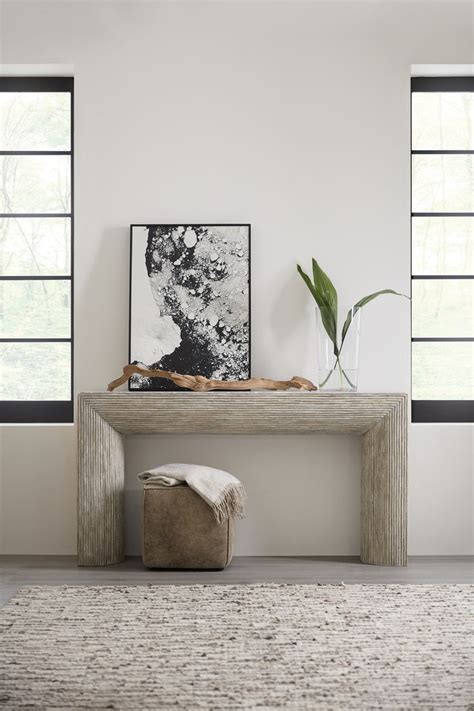
Before bringing any new furniture piece into your home, evaluating spatial proportions is essential for maintaining a balanced room layout. A 56-inch console table is approximately four and a half feet long, making it an ideal median size for medium-to-large living areas, spacious entryways, and wide hallways. When positioning this console against a wall, standard interior design guidelines suggest leaving at least six to twelve inches of blank wall space on either end so the furniture does not appear crammed into the boundary.
Traffic flow is another critical consideration, particularly in high-traffic entryways or behind a living room sofa. Ensure there is a minimum clearance of thirty-six inches between the edge of the console and any opposing walls, doors, or bulky furniture items. If you plan to float the console behind a sofa, verify that the sofa length is at least equal to or slightly longer than the 56-inch table to maintain visual harmony. A console that is significantly wider than the seating piece behind it can throw off the optical weight distribution of the entire furniture arrangement.
Room-By-Room Placement Ideas for Maximum Impact
The Grand Entryway Welcome
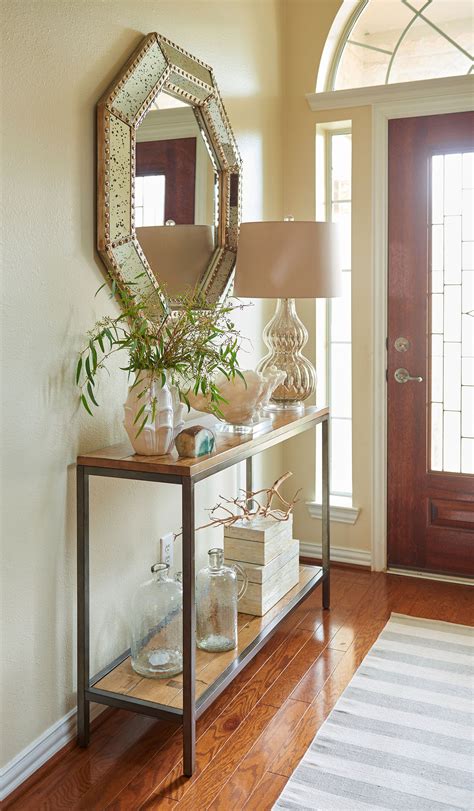
An entryway sets the aesthetic tone for the entire household, and a 56-inch console table provides a welcoming anchor immediately upon entering. Positioned against the primary entry wall, it offers a convenient landing strip for everyday items like keys, mail, and sunglasses while making a stylish first impression. To maximize functionality in this zone, pair the table with a shallow decorative tray for loose items and a tall mirror hung precisely at eye level to bounce natural light around a typically compact space.
When styling an entryway console, keep clutter to a minimum by utilizing storage baskets on a lower shelf if the table design permits. A slim profile prevents the hallway from feeling constricted, allowing family members and guests to move past comfortably. Adding a small ceramic dish or a brass catch-all tray keeps utilitarian items organized without detracting from the natural grain and beauty of the pecan wood surface.
Living Room and Open-Concept Zoning
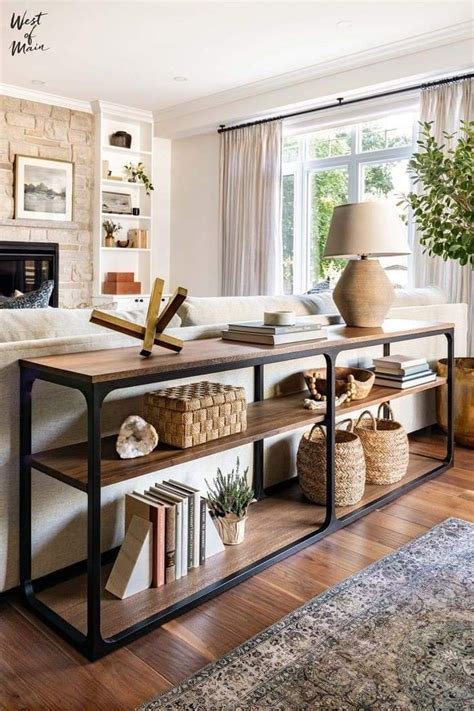
In contemporary open-concept homes, defining distinct functional zones without building physical walls is a common design challenge. Placing a 56-inch pecan console table directly behind a floating living room sofa is an effective way to establish a boundary between a seating area and an adjoining dining space or walkway. This placement creates a polished, finished look when viewed from behind while providing an extra surface for ambient lighting and decorative displays.
When utilizing a console table behind a sofa, ensure the top of the table sits slightly below or flush with the top of the sofa back for a cohesive layered effect. You can top the surface with a pair of slender ceramic table lamps to introduce layered lighting into the middle of the room. This arrangement eliminates dark corners and creates a warm, inviting ambiance during evening hours.
Intentional Styling and Decorating Strategies
Styling a 56-inch surface requires a thoughtful approach to visual weight, height variation, and negative space. A common mistake is overcrowding the console with too many small trinkets, which can make the arrangement look chaotic. Instead, apply the rule of thirds or asymmetrical grouping to create a curated, designer-level look that highlights the wood grain rather than concealing it entirely.
Balancing Height, Lighting, and Wall Art
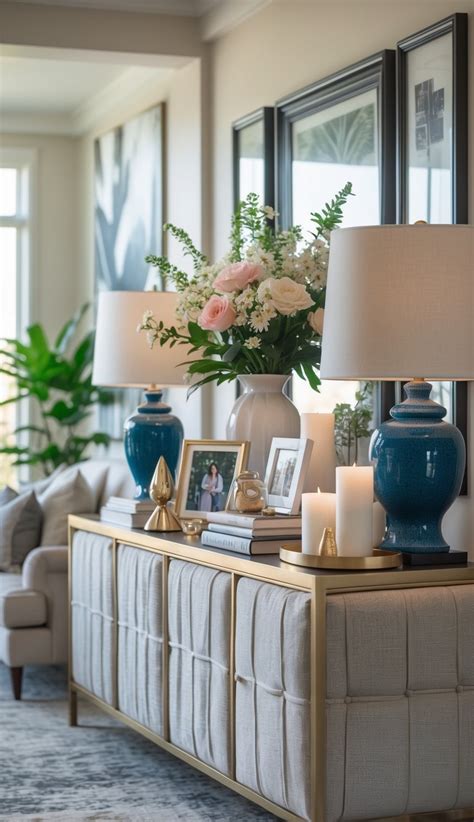
To draw the eye upward and create a balanced vignette, anchor one side of the 56-inch console with a tall element, such as a sculptural table lamp or a large piece of vertical framed art leaning against the wall. On the opposite side, balance the visual weight with a lower grouping of objects, such as a stack of art books topped with a decorative object or a small ceramic vase with a single botanical stem.
Wall decor above the console should ideally span roughly two-thirds to three-quarters of the table’s 56-inch width. If you choose a rectangular or arched mirror, ensure its width corresponds harmoniously with the table below. Leaving some negative space on the wooden surface is crucial; allowing the pecan wood to remain visible ensures the natural beauty of the material remains a primary focal point of the vignette.
Integrating Organic Textures and Greenery
Introducing organic elements like plants, flowers, or natural stones softens the clean geometric lines of modern furniture and enhances the natural warmth of pecan wood. A trailing pothos plant in a terracotta pot or a sculptural ceramic vase filled with dried eucalyptus branches adds life and movement to the vignette. The contrast between lush green foliage and golden-brown wood creates a grounded, biophilic connection that makes any living space feel calm and intentional.
Frequently Asked Questions
Where is the best place to put a 56-inch console table in a home?
A 56-inch console table is exceptionally versatile and fits well in grand entryways, wide hallways, behind a medium-to-large sofa in an open-concept living room, or along a blank dining room wall serving as a makeshift buffet or server.
How do you style a modern pecan wood console table without cluttering it?
Focus on asymmetrical groupings and vary the heights of your decor items. Use a tall lamp or artwork on one side, a medium stack of books in the center, and a low decorative bowl on the other. Always leave some of the wood surface visible to showcase the grain.
What wall art or mirrors pair best with a 56-inch console?
Mirrors or art pieces that measure between 36 and 42 inches wide pair best, as they occupy roughly two-thirds to three-quarters of the table’s length. This proportion maintains visual balance without overwhelming the furniture piece.
Does pecan wood fit into modern interior design styles?
Yes. Pecan wood features a warm, neutral golden-brown tone and distinct grain patterns that add organic warmth to modern minimalist, transitional, mid-century modern, and contemporary interior aesthetics.