Designing a compact apartment living room often feels like solving an intricate puzzle. You want the space to breathe with open airiness, yet you crave the comforting, intimate warmth that makes a house feel like a home. Striking this delicate balance requires more than simply downsizing your belongings; it calls for intentional design choices that trick the eye while maximizing everyday utility. Whether you are working around rental restrictions, awkward architectural layouts, or limited square footage, thoughtful styling can completely redefine your environment.
To help you turn your compact lounge into a sanctuary, we have curated 25 practical, creative ideas spanning furniture layout, lighting magic, color theory, and tactile layering. These strategies prioritize real-world function, ensuring you never have to sacrifice personal comfort for the illusion of extra square footage.
Smart Furniture Selections for Open Flow
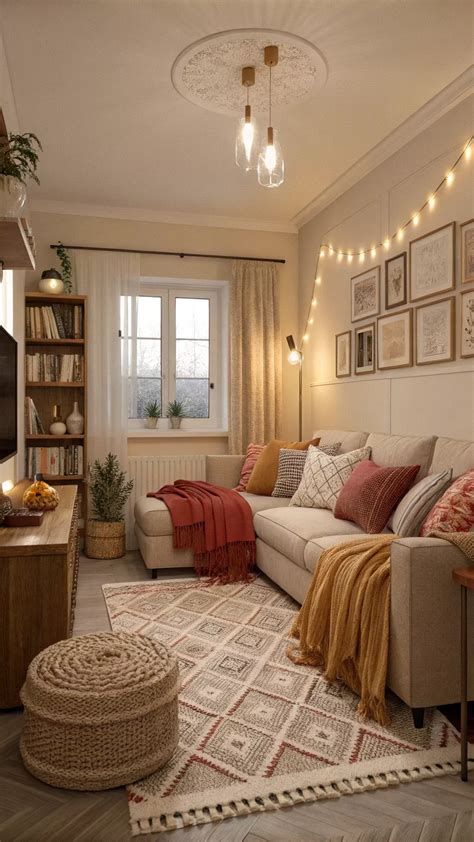
The foundation of any spacious-feeling room lies in what you choose to put inside it. Oversized, heavy furnishings can instantly suffocate a room, whereas streamlined silhouettes create visual breathing room.
1. Choose Low-Profile Seating
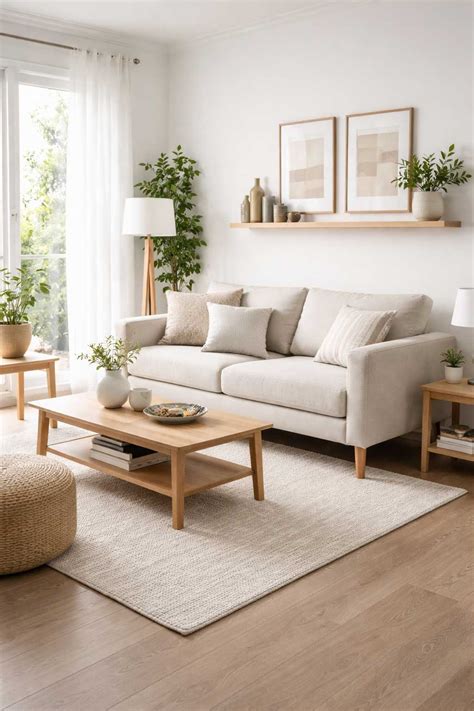
Opt for sofas and armchairs with lower backs and visible legs. By allowing sightlines to extend underneath and behind the furniture, your eyes perceive the entire floor area as continuous, instantly expanding the room’s perceived boundaries.
2. Embrace Transparent Acrylic Pieces
Ghost chairs, glass-topped coffee tables, and clear acrylic side tables practically disappear into your decor. They offer necessary surface area and seating without introducing visual clutter or blocking natural light.
3. Invest in Multi-Functional Storage Ottomans
Every piece of furniture in a small apartment should ideally work twice as hard. A storage ottoman serves as a comfortable footrest, extra seating for guests, and a hidden bin for stray blankets and electronics.
4. Anchor with Nesting Coffee Tables
Instead of a massive, immovable coffee table, select nesting tables that can be pulled apart when entertaining and tucked neatly together when you need clear floor space for stretching out or exercising.
5. Float Your Furniture Layout
A common mistake is pushing every single piece of furniture flush against the walls. Pulling your sofa and chairs a few inches inward creates a more intimate conversation hub and prevents the perimeter from feeling cramped.
Strategic Lighting Techniques to Maximize Depth
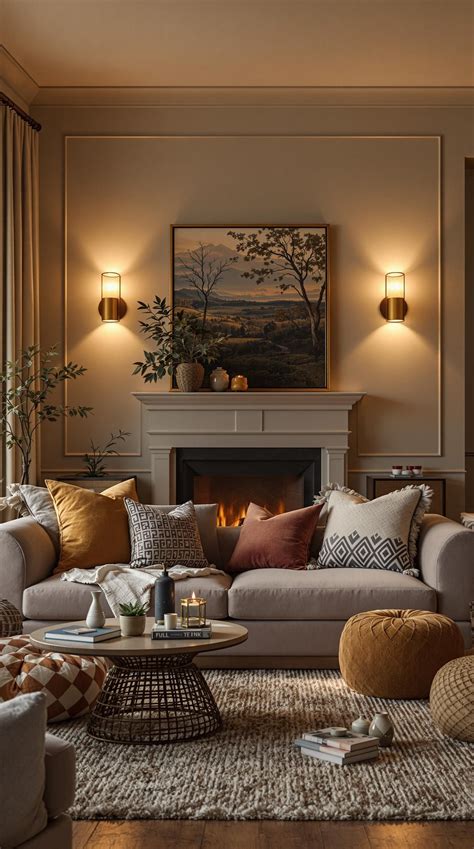
Dark corners make rooms feel smaller by drawing boundaries inward. Brightening your space evenly dissolves harsh shadows and tricks the brain into registering a larger volume.
6. Layer Multiple Light Sources
Avoid relying solely on a harsh overhead ceiling fixture. Combine floor lamps, adjustable wall sconces, and warm table lamps at varying heights to bounce illumination across walls and ceilings.
7. Opt for Sconces Instead of Table Lamps
If your apartment has limited surface space on side tables, install plug-in wall sconces. This frees up valuable tabletop real estate while drawing the eye upward along vertical wall planes.
8. Hang Sheer Window Treatments
Heavy velvet or blackout drapes can choke natural sunlight. Swap them for lightweight linen or sheer cotton panels that diffuse daylight softly throughout the room while maintaining privacy from neighboring buildings.
9. Incorporate Warm LED Bulbs
Color temperature dramatically impacts atmosphere. Choose bulbs in the 2700K to 3000K range to emit a soft, golden glow that feels naturally welcoming rather than stark or clinical.
Color Palettes and Paint Tricks for Visual Expansion
Color dictates how light behaves within an interior. While bright whites are the traditional go-to for small spaces, contemporary design embraces moody, enveloping tones as well.
10. Paint Trim and Walls the Same Color
Drenching your living room walls, baseboards, and crown molding in the same hue blurs the boundaries where surfaces meet, creating a seamless envelope that makes walls appear farther apart.
11. Introduce Vertical Stripes via Textiles
Subtle vertical stripes on curtains, accent pillows, or an area rug draw the eye upward and outward, enhancing the perceived height and width of compact architectural proportions.
12. Use Monochromatic Layering
Sticking to a single color family—such as creamy ivory, warm beige, and soft taupe—prevents visual fragmentation. This harmonious palette creates an expansive, calming backdrop.
13. Paint an Accent Wall in a Deep Hue
Paradoxically, painting a single focal wall a rich charcoal or deep forest green can make that wall recede visually, adding an unexpected sense of depth to a narrow room.
Wall Treatments, Mirrors, and Vertical Space
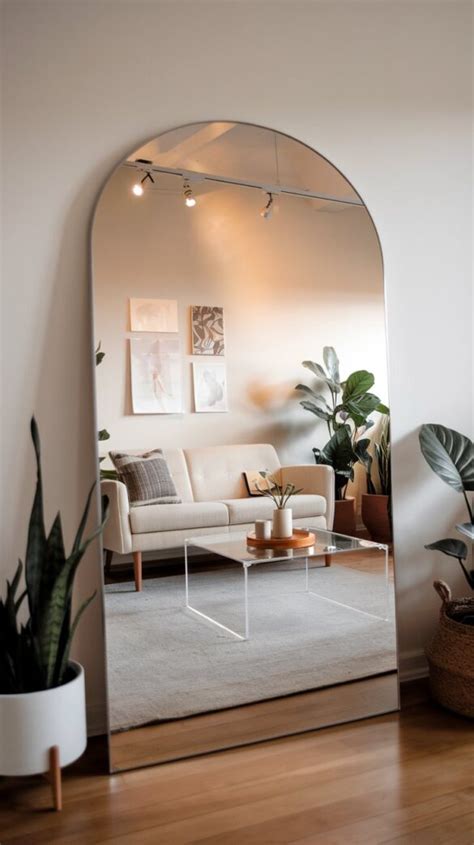
When horizontal floor space is at an absolute premium, your walls become your most valuable design real estate.
14. Hang Mirrors Opposite Light Sources
Positioning a large mirror directly across from a window reflects outdoor scenery and doubles the amount of natural light circulating through your living room.
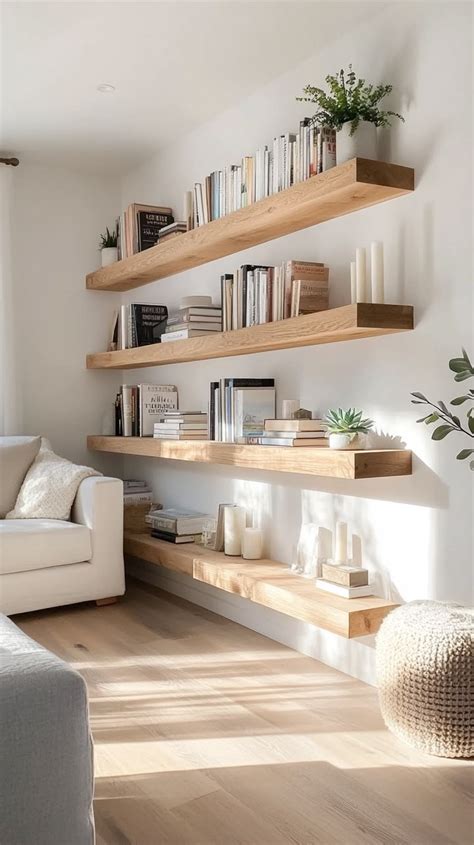
15. Utilize Full-Height Floating Shelves
Draw attention upward by installing floating bookshelves or display ledges near the ceiling. This utilizes dead vertical space and keeps your floor entirely clear of bulky bookcases.
16. Mount Your Television
Eliminating the need for a massive media console frees up precious square footage. Mounting your TV directly to the wall creates a cleaner, more streamlined aesthetic.
17. Scale Up Your Wall Art
Many people make the mistake of hanging a collection of tiny frames, which can make walls look busy. Instead, opt for one oversized statement artwork that commands attention without cluttering the visual field.
Textiles, Rugs, and Cozy Accents
Spaciousness should never feel sterile. Balancing open layouts with rich textures ensures your apartment remains inviting and lived-in.
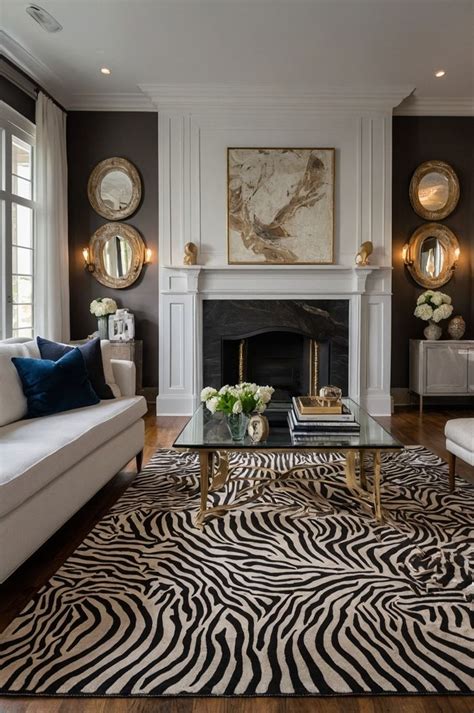
18. Choose an Oversized Area Rug
A rug that is too small shrinks the room visually. Select an area rug large enough for the front legs of all major seating pieces to rest upon, unifying the layout into a single, cohesive zone.
19. Mix Tactile Fabrics for Depth
Layer chunky knit throw blankets, bouclé pillows, and woven jute elements. Varying textures add warmth and emotional coziness, transforming a sparse room into a tactile retreat.
20. Keep Window Frames Uncluttered
Mount your curtain rods several inches above the actual window frame and extend them wider than the glass. This simple trick lets curtains frame the window without blocking precious sunlight.
21. Hang Plants in Macramé Hangers
Introduce organic life without sacrificing floor space by hanging trailing pothos or snake plants from the ceiling or mounting them on wall brackets.
Renter-Friendly Details and Lifestyle Edits
For renters and minimalists alike, small adjustments can yield dramatic improvements without requiring permanent modifications.
22. Utilize Peel-and-Stick Wallpaper
Add subtle texture or a delicate mural to a focal wall using removable adhesive wallpaper. It delivers high-end custom design impact that you can easily peel off when moving out.
23. Adopt a ‘One In, One Out’ Rule
In compact living spaces, clutter accumulates twice as fast. Regularly auditing decorative objects and throw pillows keeps your surfaces calm and deliberate.
24. Choose Multipurpose Lighting with Dimmers
Install smart bulbs or plug-in dimmer switches to easily shift your living room from an energizing workspace during the day to a moody, intimate lounge at night.
25. Keep Pathways Completely Clear
Ensure there is a direct, unobstructed line of sight from your entryway into the deepest corner of the living room. Uninterrupted movement pathways instantly make any apartment feel larger and more welcoming.
Frequently Asked Questions
How can I make a small living room look bigger without renovating?
You can visually expand a small living room without construction by choosing low-profile furniture, hanging mirrors opposite windows to reflect light, keeping pathways clear, and using a monochromatic color palette to reduce visual friction.
What furniture works best in a cramped apartment living room?
Multi-functional pieces like storage ottomans, nesting coffee tables, and transparent acrylic chairs work best because they offer high utility while minimizing physical and visual bulk.
How do I use mirrors to create the illusion of more space?
Hang a large mirror directly opposite a window or primary light source. This reflects both natural light and outdoor views, tricking the eye into perceiving deeper architectural dimensions.
What colors make a small room feel welcoming instead of cold?
Warm neutrals such as cream, oatmeal, warm taupe, and soft terracotta provide an inviting atmosphere. Pairing these hues with layered tactile textiles prevents the space from feeling stark or sterile.