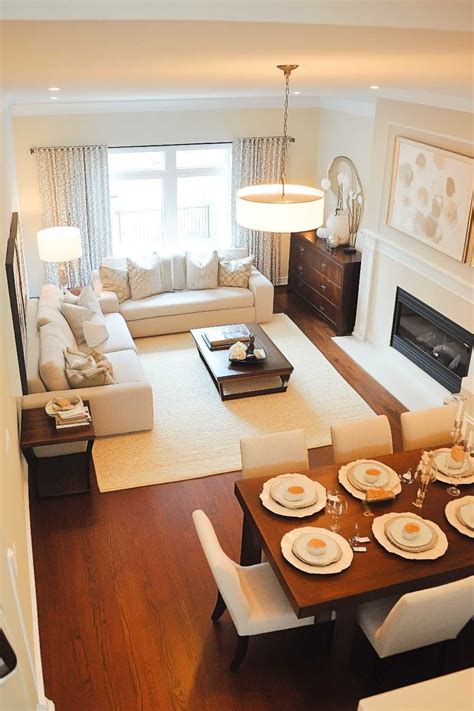
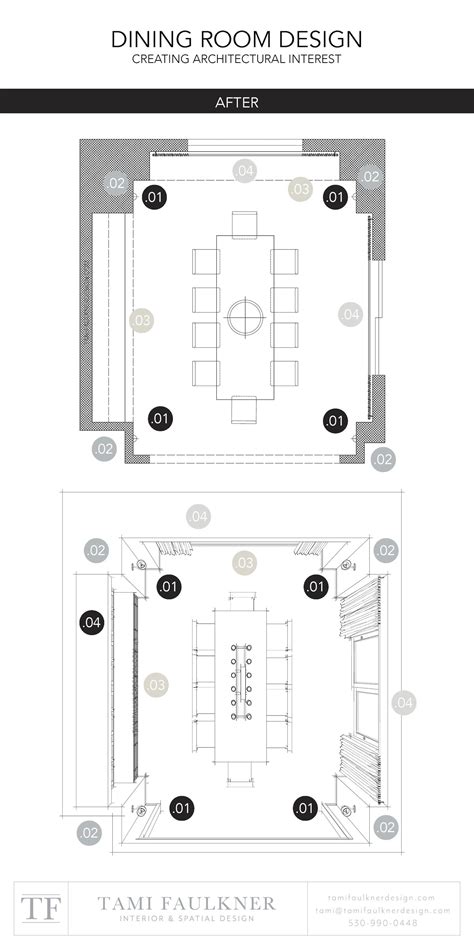
Decorating a compact apartment living room often feels like an intricate puzzle. When floor space is limited, every single square inch matters, forcing you to choose between comfort and aesthetic appeal. However, designing a smaller footprint does not mean compromising on personality or sophistication. By shifting your focus toward clever spatial planning, multi-purpose items, and thoughtful visual tricks, you can create a room that feels both open and deeply inviting.
The secret lies in understanding how scale, light, and texture interact within tight boundaries. Instead of packing the room with scaled-down miniature furniture—which can sometimes make a space look awkward or unintentional—the goal is to curate fewer, higher-impact pieces. Whether you are dealing with a studio apartment layout, an awkward architectural quirk, or rental restrictions that limit permanent modifications, these targeted strategies will help you elevate your living room’s style while optimizing daily functionality.
Invest in Multi-Functional and Scaled Furniture
When selecting furniture for a small living room, the primary rule is that every piece should ideally perform more than one job. Bulky traditional sectionals and oversized media consoles often swallow up precious floor area, leaving you with little room to maneuver. Instead, look for streamlined sofas with exposed legs, which allow light to pass underneath and create an immediate illusion of openness.
Nesting tables, storage ottomans, and modular shelving systems are powerhouse additions to any compact layout. A storage ottoman can serve as a coffee table, extra seating for guests, and a discreet hiding spot for throw blankets and electronics. When shopping for these pieces, pay close attention to visual weight. Items upholstered in lighter fabrics or constructed with slender metal and glass frames take up less visual space in the room compared to heavy, dark wood alternatives.
Leverage Vertical Space and Creative Wall Storage
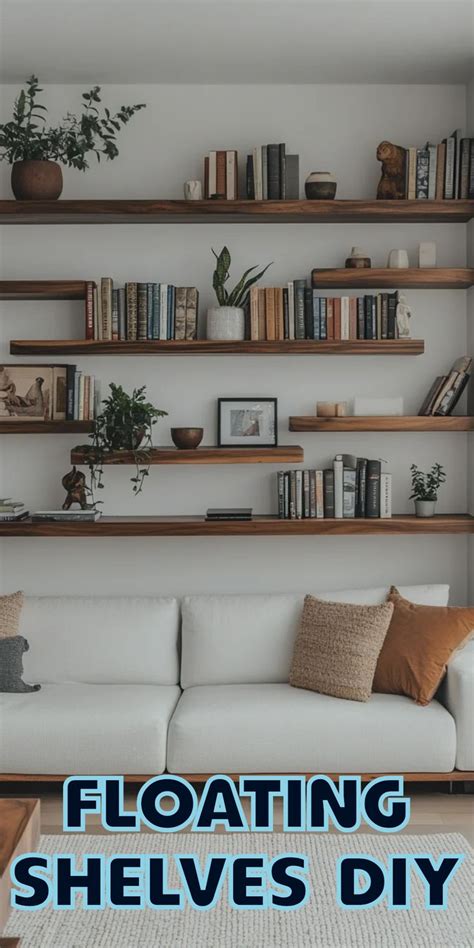
Floor space is finite, but walls offer an expansive canvas for both storage and decoration. When living areas feel cramped, homeowners and renters alike often make the mistake of keeping walls bare out of fear of overcrowding. In reality, utilizing vertical space draws the eye upward, making standard ceilings feel much taller and rooms feel significantly grander.
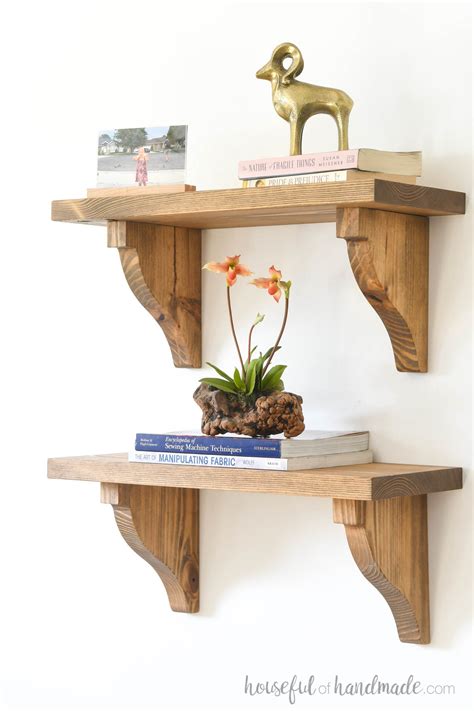
Floating shelves installed near the upper third of a wall provide a great place to display books, trailing plants, and sculptural objects without cluttering surface areas below. For renters who cannot drill into drywall, tension-rod shelving units or leaning bookcases offer a sturdy alternative that anchors easily against the wall. Wall-mounted lighting fixtures, such as swing-arm sconces, also free up valuable table space while adding a sophisticated, layered look to your seating area.
Master Strategic Lighting and Mirror Placement
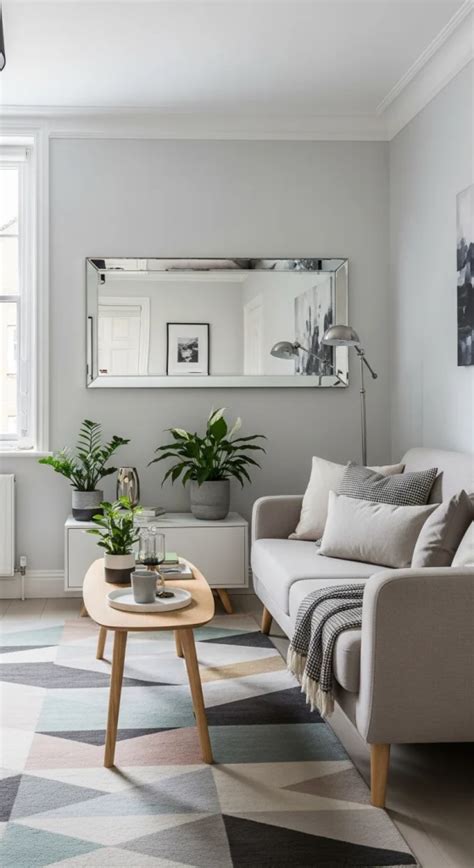
Natural light is one of the most powerful tools in interior design, yet small apartments often suffer from limited window exposure or dark corners. To maximize what light you do have, avoid heavy, light-blocking drapes in favor of sheer linen or lightweight cotton panels mounted high and wide around your windows. This technique tricks the eye into perceiving larger window frames and floods the interior with brightness.
Mirrors are another classic design secret for expanding a compact living room. Placing a large, floor-length mirror directly opposite or adjacent to a primary light source will bounce illumination across the entire space. Beyond boosting brightness, a well-placed mirror creates depth, acting almost like an extra window that breaks up solid drywall and makes the room feel twice its actual size.
Curate a Cohesive Color Palette and Minimalist Decor
In a small living room, visual chaos accumulates quickly. A fragmented color scheme with too many competing hues can make a compact space feel instantly smaller and more stressful. Establishing a cohesive, restricted color palette creates a seamless visual flow that calms the senses and unifies different zones within an open-concept apartment.
Soft neutrals, warm whites, and earthy tones serve as an excellent foundation, reflecting light and establishing a serene atmosphere. You can then introduce pops of personality through interchangeable textiles like throw pillows, area rugs, and small decorative accessories. When it comes to decor, follow the principle of editing: rather than displaying dozens of small trinkets, choose a few statement items with varied textures, such as a chunky knit throw, a ceramic vase, or a piece of bold abstract art.
Establish Clear Zones in Open-Concept and Studio Spaces
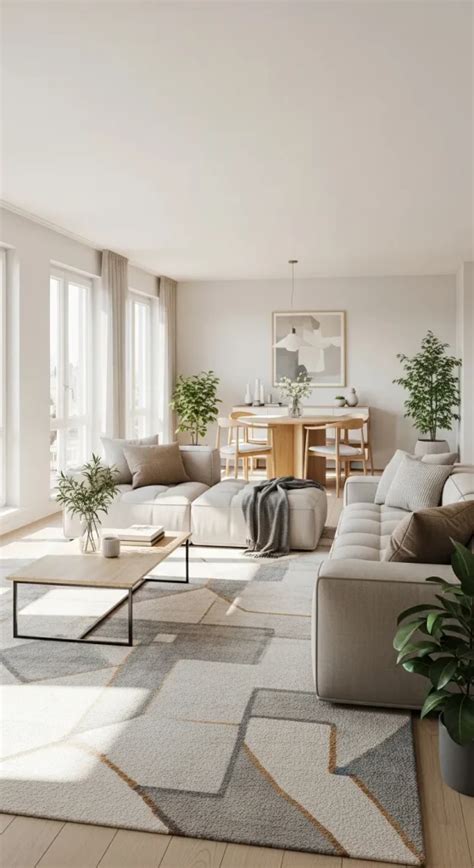
Many modern apartments feature open-concept layouts where the living room, dining area, and entryway all bleed into one another. Without clear boundaries, these multi-use spaces can quickly devolve into a confusing jumble of furniture. Creating micro-zones within your living area helps define functions without requiring permanent walls or bulky room dividers.
An area rug is one of the most effective tools for anchoring a living room grouping within an open floor plan. By placing the front legs of your sofa and accent chairs squarely on the rug, you instantly designate that specific footprint as the main conversation and relaxation zone. Additionally, a slim console table placed behind a floating sofa can act as a subtle threshold, separating the seating area from a nearby entryway or kitchen workspace.
Frequently Asked Questions
How do I make a small living room look bigger and more stylish?
To make a compact living room feel larger and more stylish, focus on maximizing natural light, using vertical storage, and choosing a cohesive, neutral color palette. Incorporating large-scale mirrors and furniture with exposed legs also prevents the space from feeling heavy or cramped.
What furniture works best in a compact living room?
Multi-functional and modular furniture works best in tight spaces. Look for pieces like storage ottomans, nesting coffee tables, sleeper sofas, and slim-profile seating that offer utility without sacrificing aesthetic appeal or blocking walkways.
How can I add personality to a small rental apartment without permanent changes?
You can easily infuse personality into a rental living room through non-permanent upgrades like peel-and-stick wallpaper accents, area rugs, statement throw pillows, wall-mounted plug-in sconces, and leaning shelving units that do not require drilling into walls.
How do I layout a small living room for optimal flow?
Prioritize unobstructed pathways by pulling furniture slightly away from the walls rather than pushing everything to the perimeter. Use area rugs to anchor your seating group and maintain clear sightlines across the room to ensure a comfortable, easy flow of movement.