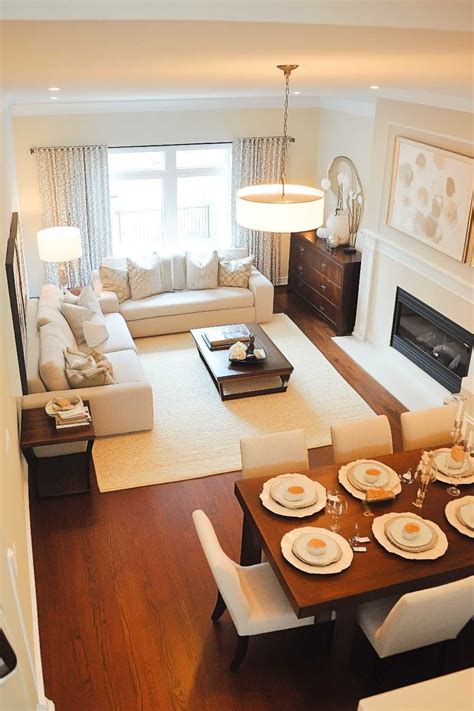
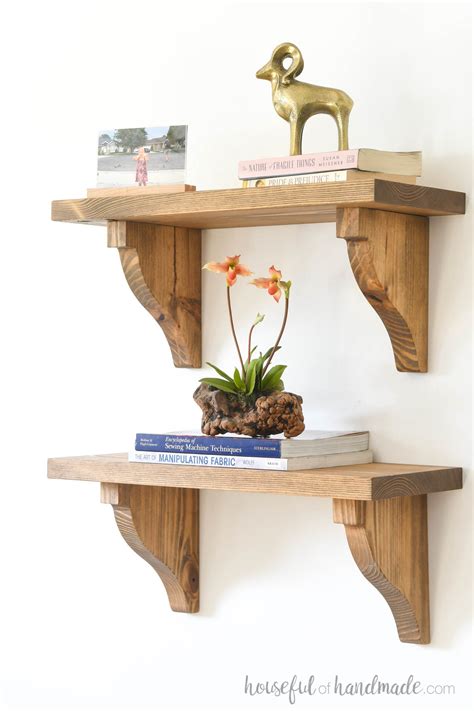
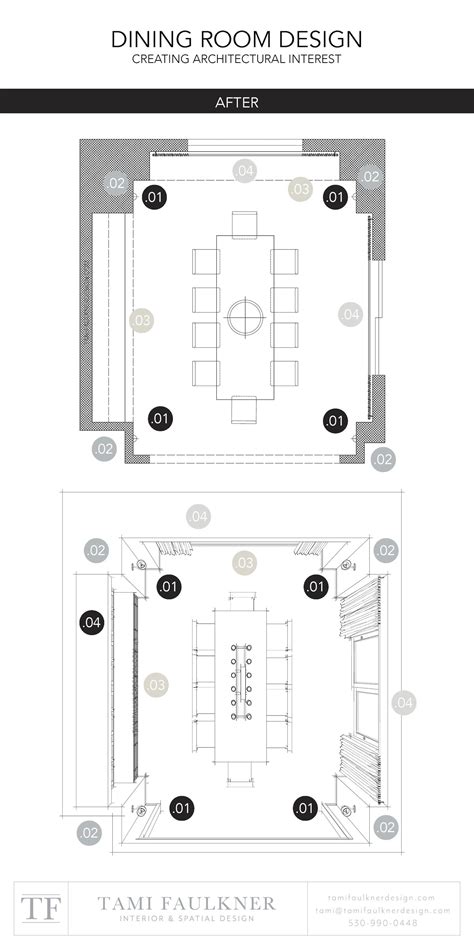
Integrating decorative accessories into an established room layout often presents subtle challenges. While large furniture staples like sofas, dining tables, and media consoles anchor a space, smaller elements breathe life and personality into the room. Introducing unique pottery pieces provides an organic counterpoint to manufactured wood and structured upholstery. Hand-thrown vessels, terracotta jars, and glazed ceramic sculptures introduce tactile warmth that completely shifts the mood of an interior.
Successful styling relies on intentional coordination rather than random placement. By understanding how different ceramic finishes interact with wood grains, metallic finishes, and upholstered surfaces, homeowners can create cohesive environments. Whether your aesthetic leans toward coastal casual, mid-century modern, or traditional rustic, artisan pottery offers versatile ways to enrich your daily living spaces without requiring a complete room overhaul.
Matching Pottery Finishes with Wood and Metal Furniture
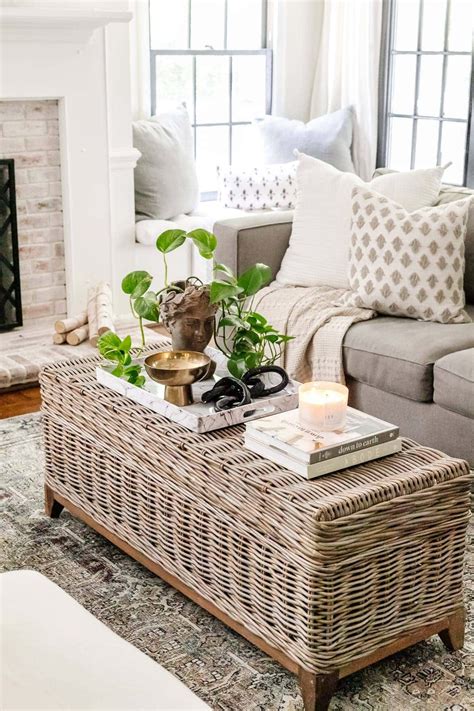
Wood furniture brings natural warmth and variation into a home, but pairing it with the wrong decorative accents can make a room feel visually heavy. When styling pottery on a solid oak, walnut, or maple surface, look for matte, chalky, or subtly textured ceramic finishes. These rougher surfaces create a pleasant contrast against smooth, polished wood grains, highlighting the organic nature of both materials. Unglazed terracotta or stoneware vessels work exceptionally well on rustic wooden dining tables and coffee tables, grounding the furniture with earth-toned depth.
Metal furniture, on the other hand, introduces industrial sharpness and sleek lines that benefit from contrasting softness. If your living space features iron frames, brass shelving, or brushed steel accents, high-gloss or crackle-glazed pottery serves as a striking visual mediator. The reflective sheen of a smooth ceramic glaze softens the rigidity of exposed metal structures, creating a balanced dialogue between cold industrial elements and warm artisan craft. Consider placing deep cobalt or emerald green glazed vessels on a brass-framed console table to instantly elevate the room’s color palette.
Scaling Pottery Pieces for Coffee Tables and Consoles
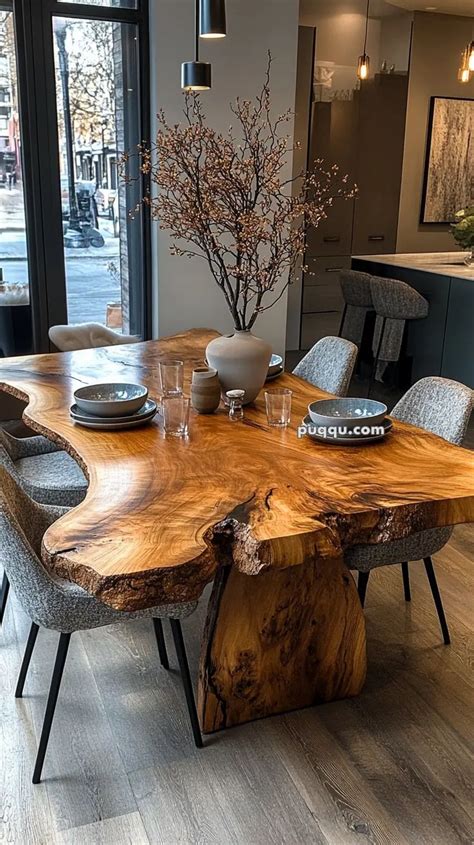
Proportion remains one of the most critical factors when arranging decor on prominent furniture surfaces. Placing a tiny bud vase on a massive reclaimed wood coffee table leaves the arrangement looking lost, while an oversized amphora on a narrow entryway console creates spatial crowding. To achieve visual equilibrium, match the height and footprint of the pottery to the scale of the furniture piece it occupies. Large, low-profile decorative bowls work wonderfully on square coffee tables, offering a functional landing spot that does not obstruct sightlines across the room.
Tall statement vessels and floor urns command attention when positioned beside substantial furniture anchors like sideboards, media units, or heavy reading chairs. A single tall ceramic floor vase placed in an empty corner next to a wooden bookcase immediately draws the eye upward, making ceilings feel higher and rooms more expansive. When grouping multiple smaller pottery pieces on a sideboard, practice the rule of threes. Varying heights—combining a stout pitcher, a medium-sized cylinder vase, and a low dish—prevents the arrangement from looking static and creates natural movement across the furniture surface.
Balancing Minimalist and Maximalist Interior Spaces
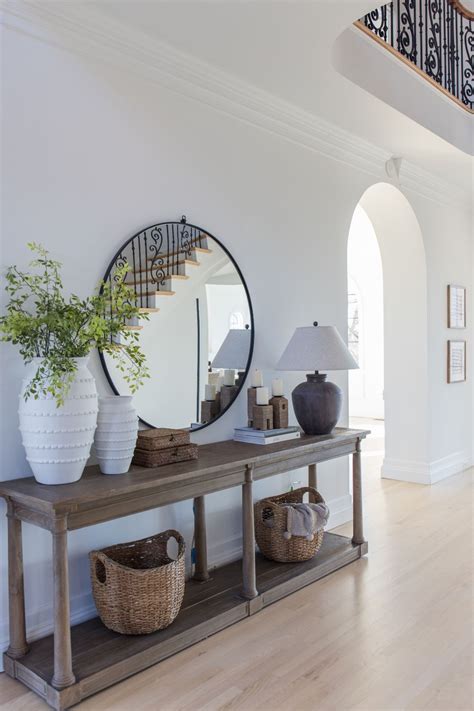
In minimalist interiors, every decorative object must earn its place. Here, a single unique pottery piece acts as a powerful focal point rather than just an accessory. Choose sculptural ceramic forms with architectural silhouettes, organic asymmetries, or striking neutral tones that echo the clean lines of minimalist furniture. A stark white plaster console table paired with a dark, moody, wheel-thrown ceramic vase establishes an instant sense of modern sophistication without introducing visual clutter or competing with the room’s overarching simplicity.
Maximalist environments thrive on layered textures, varied heights, and rich historical references, making them an ideal home for diverse pottery collections. You can comfortably mix vintage stoneware, hand-painted earthenware, and modern minimalist ceramics across open shelving units or heavy wooden sideboards. To keep a maximalist pottery display from feeling chaotic, anchor the collection with a consistent thread, such as a shared color family or similar earthy material textures. Grouping items by finish allows distinct shapes and sizes to coexist harmoniously within a vibrant, character-filled room.
Frequently Asked Questions
How do I choose pottery that complements my existing furniture style?
Start by evaluating the primary materials and finishes of your furniture. If you have warm wooden tables, choose matte or textured pottery that contrasts the grain. For sleek metal or glass furniture, glossy or brightly colored ceramics provide a striking, balanced contrast.
Where is the best place to display unique pottery pieces?
Prominent flat surfaces such as entryway consoles, coffee tables, dining room sideboards, and open bookshelves make ideal display areas. Large statement floor urns work best in empty corners adjacent to heavy furniture items like bookcases or accent chairs.
How can I mix different pottery styles without cluttering my home?
To mix various pottery styles successfully, maintain a cohesive element such as a shared color palette, complementary material finishes, or a consistent height hierarchy. Grouping items thoughtfully prevents surfaces from looking overcrowded.