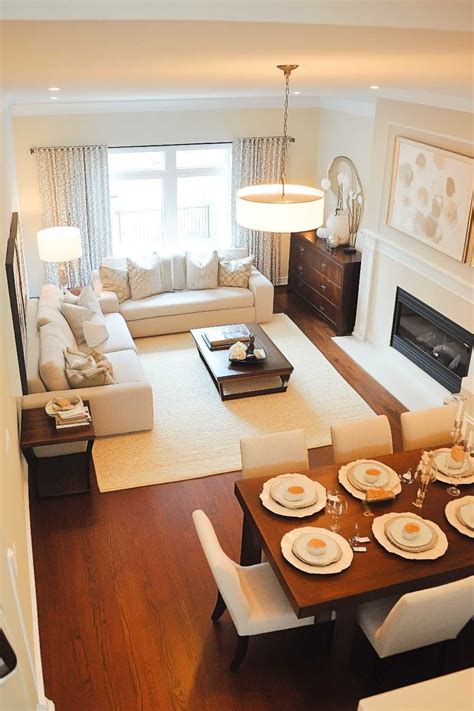
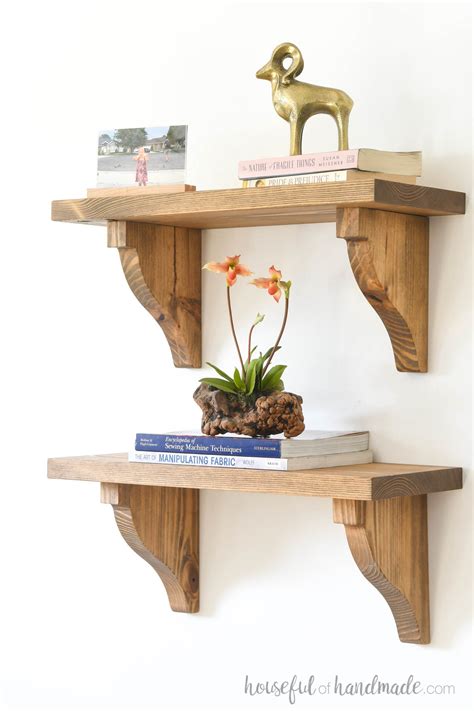
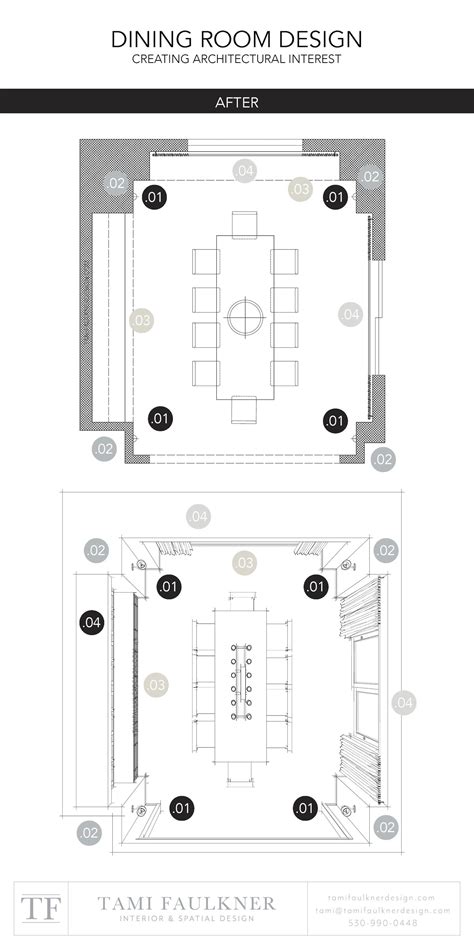
Transforming the look and feel of a living space does not always require a complete interior overhaul or an unlimited bank account. When working with a focused budget of $500 to $1,000, the secret lies in strategic allocation rather than random purchasing. Treating this financial range as a curated investment portfolio allows homeowners and renters alike to target high-ROI areas that fundamentally alter a room’s atmosphere. Instead of spreading funds too thin across dozens of minor trinkets, focusing on a balance of architectural lighting, tactile textiles, and one solid statement piece creates an immediate sense of intention and sophistication.
Understanding how to distribute your funds effectively requires looking closely at your current layout to identify missing focal points. Every room has visual anchors—elements that naturally draw the eye upon entry. By channeling your budget toward upgrading these specific zones, you create an upscale environment that feels cohesive and professionally styled. The following guidelines explore how to maximize every dollar, helping you make confident design decisions that stand the test of time.
The Core Strategy: One Anchor Piece Versus Multiple Accents
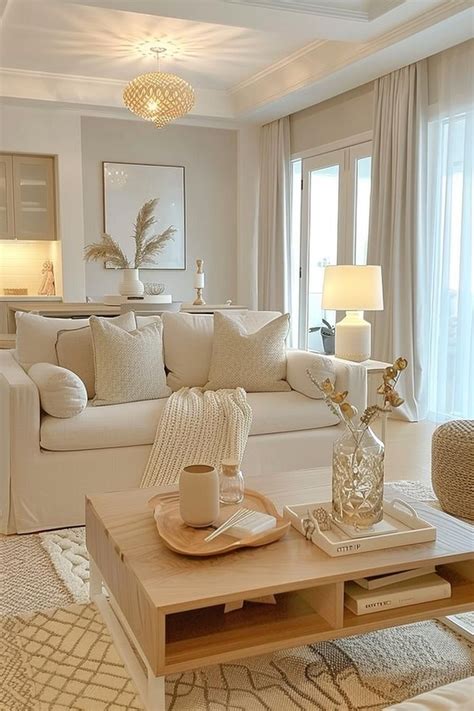
When approaching a mid-tier decor budget, the primary decision involves choosing whether to invest in a single dominant anchor piece or spread the amount across several mid-level accessories. An anchor piece—such as an artisanal coffee table, a substantial wool area rug, or a high-end sculptural lounge chair—immediately grounds a room and establishes its design vocabulary. These items carry visual weight and set the tone for everything else in the space, making them ideal investments if your current foundational furniture is neutral but uninspired.
Alternatively, dividing your budget into smaller tiers allows you to upgrade several sensory details simultaneously. This approach works exceptionally well if your larger furniture is already in place, but the room lacks warmth, texture, or proper illumination. For instance, pairing a heavy linen drapery set with a dimmable brass floor lamp and oversized ceramic vases can completely change a room’s mood. Weighing these options depends entirely on your current spatial baseline; take stock of what you already own before committing funds to either strategy.
Elevating the Living Room with High-Impact Textures and Lighting
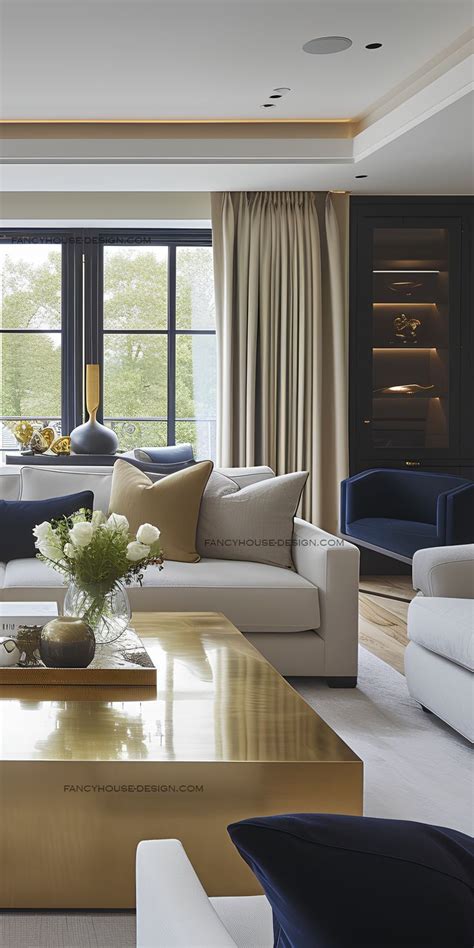
The living room is typically the focal point of home entertaining and daily relaxation, making it the most logical candidate for a budget-focused refresh. To make a noticeable impact within the $500 to $1,000 range, prioritize elements that interact with natural and artificial light. Upgrading standard builder-grade lighting fixtures to sculptural floor lamps or artisan-crafted table lamps introduces layers of warm illumination that instantly soften the room’s overall aesthetic.
Textiles represent another high-yield investment area for living spaces. Swapping out synthetic throw pillows and thin rugs for heavy cotton-velvet covers, genuine leather accents, or hand-knotted wool rugs introduces tactile richness. Human eyes perceive quality through touch just as much as sight; adding physical depth through natural fibers tricks the eye into seeing a more luxurious environment. When styling these textiles, stick to a restrained, cohesive color palette to maintain a calm, intentional atmosphere.
Refining the Bedroom Sanctuary for Rest and Elegance
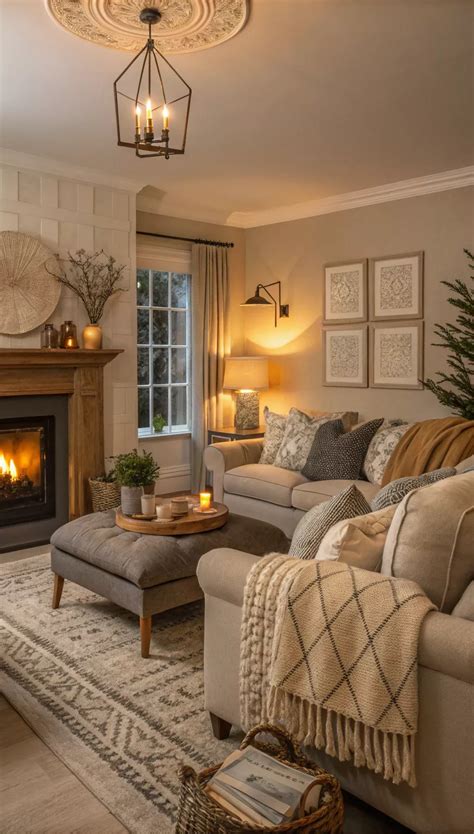
Bedrooms require a different styling philosophy, prioritizing tranquility, softness, and personal comfort over dynamic entertainment energy. Allocating a portion of your budget here can dramatically improve your daily routine. Investing in heavy-weight, garment-washed linen bedding or a tailored upholstered headboard instantly transforms a basic sleeping quarter into a restful hotel-inspired retreat.
Beyond the bed itself, lighting and bedside organization play crucial roles in maintaining a serene environment. Replacing basic nightstand lamps with ceramic or travertine fixtures provides soft, directional reading light while adding organic texture. Pairing these with a minimalist full-length mirror framed in brushed metal or solid wood completes the spatial flow, bouncing natural light around the room and making even compact bedrooms feel considerably more expansive and bright.
Avoiding Common Budget-Decor Pitfalls
Embarking on a styling project with a fixed budget often leads to common traps that dilute the overall impact of your purchases. One major mistake is buying into fleeting micro-trends that feel dated within a single season. Instead, lean toward timeless silhouettes, neutral foundational tones, and classic materials like brass, ceramic, solid wood, and natural stone. These elements hold their visual appeal across changing design cycles.
Another pitfall to avoid is ignoring spatial scale. A common error is purchasing decor items that are far too small for the room, resulting in a cluttered, disjointed appearance. When selecting your pieces, always measure your floor space and wall area beforehand. A single large-scale piece of art or a generously proportioned rug will always look more expensive and deliberate than a collection of tiny, disconnected decorative objects scattered across every available surface.
Frequently Asked Questions
How should I split a $1,000 budget between furniture and decor?
A balanced approach is to allocate 50% to 60% of your budget toward a single high-impact anchor piece (like a quality rug or statement chair) and reserve the remaining 40% to 50% for lighting, textiles, and smaller accessories.
What decor items make a home look expensive instantly?
Lighting with warm color temperatures, heavy natural-fiber textiles (such as wool or linen), and oversized art or mirrors tend to elevate a room’s aesthetic far more than small plastic or mass-produced trinkets.
Is it better to buy all items at once or piece them together over time?
While buying all at once creates an immediate transformation, taking your time to find versatile, high-quality pieces ensures a more cohesive and personalized home environment without impulse buying.