Furnishing and decorating a home in the United States often involves balancing aesthetic preferences with practical spatial limitations. Whether you occupy a compact downtown apartment or a spacious suburban house, creating a cohesive environment requires thoughtful planning. Homeowners and renters alike frequently look for flexible furnishing solutions that adapt to changing lifestyle needs without demanding permanent commitments or massive upfront expenses.
Navigating home decor selections means looking beyond individual pieces to understand how scale, texture, and color interact within a room. By understanding core interior design principles and applying practical styling frameworks, you can transform standard furniture staples into personalized, comfortable living areas that reflect your personal taste.
Navigating Home Decor Trends and Staple Choices for U.S. Homes
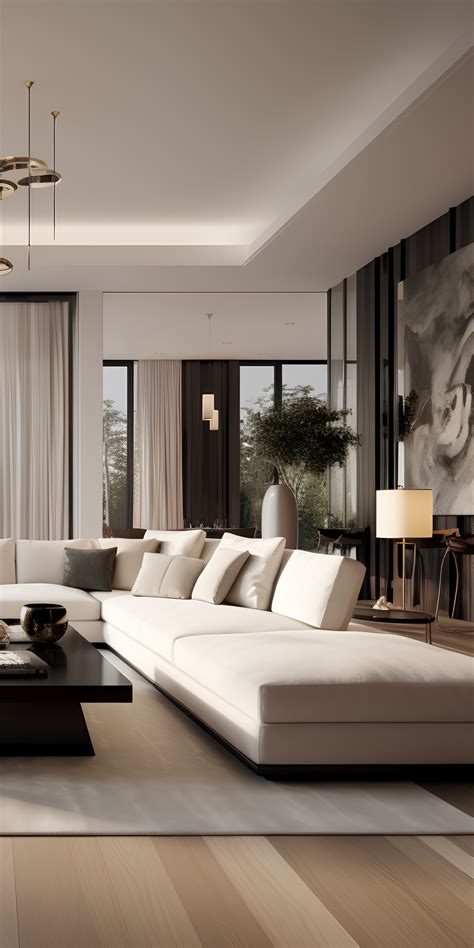
American interior design frequently embraces a blend of comfort, functionality, and understated elegance. Current trends lean toward versatile neutral foundations paired with bold accent elements that can be easily updated. When selecting large staple furniture pieces, such as a sectional sofa or a solid dining table, prioritizing neutral color palettes ensures long-term adaptability as design preferences evolve over the years.
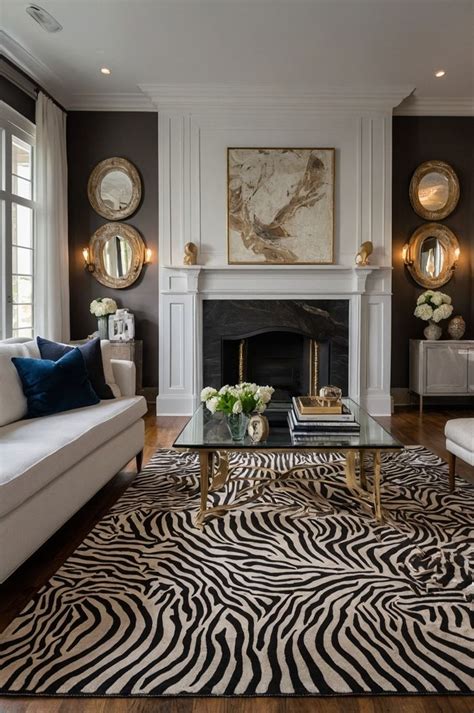
Integrating statement decor pieces without overwhelming a room requires a balanced approach. Homeowners often find success by choosing one focal point per room, such as an oversized piece of wall art or a textured area rug, and building surrounding accessories outward. This method prevents visual clutter and maintains a balanced, breathable atmosphere across open-concept layouts common in modern U.S. residential architecture.
Smart Styling Strategies for Renters
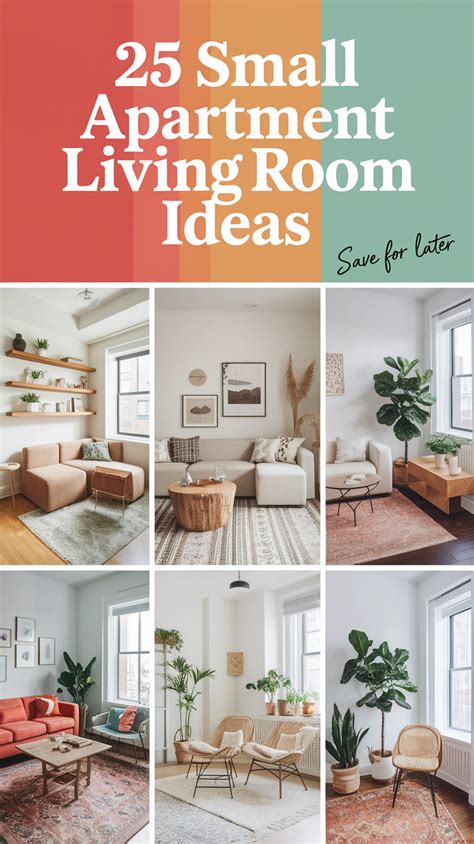
Renting a home presents unique interior design challenges, primarily due to lease restrictions regarding paint, hardware installation, and permanent modifications. To personalize a rental without risking a security deposit, focus on surface-level styling layers. Removable wallpaper, tension-rod window treatments, and high-impact area rugs can completely redefine the character of a room without altering the underlying architecture.
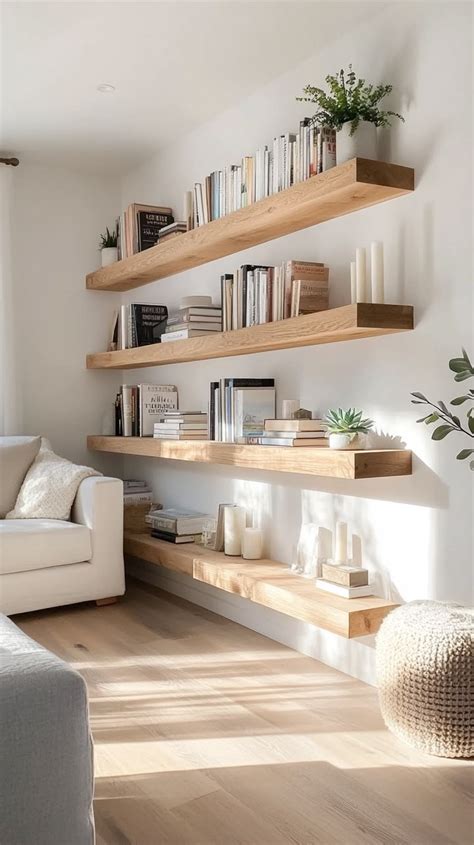
Furniture selection also plays a critical role in rental styling. Modular sectionals, multifunctional storage ottomans, and freestanding shelving units offer the dual benefit of organizational capacity and easy relocation when moving to a new property. Choosing adaptable furnishings ensures that your investment remains practical and visually appealing across multiple floor plans and spatial configurations.
Coordinating Living Room and Bedroom Aesthetics
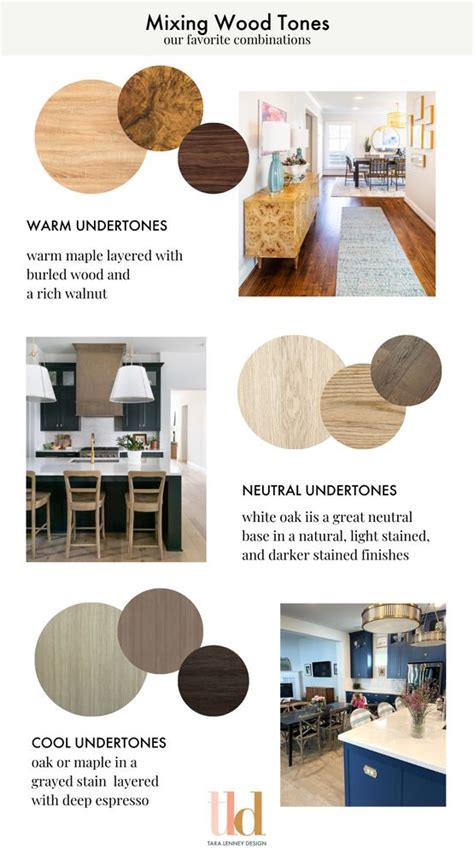
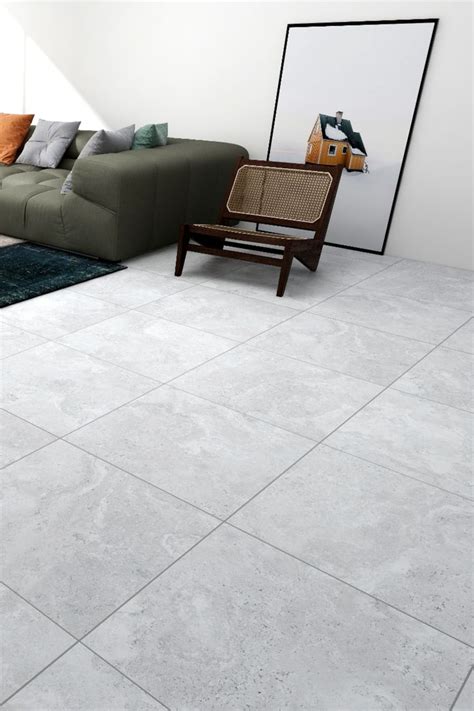
Creating visual continuity throughout a home does not mean every room must feature identical furniture sets. Instead, establishing a unified aesthetic relies on repeating specific design elements, such as wood tones, metallic finishes, or recurring color accents. For instance, if your living room features warm oak flooring and matte black hardware, incorporating similar touches into bedroom nightstands or drawer pulls ties the entire home together smoothly.
Transitioning between spaces should feel natural rather than abrupt. Soft furnishings like throw blankets, drapery, and accent pillows serve as excellent tools for bridging different room themes. By selecting a cohesive color story that flows from the entryway through the primary living areas, your home will feel thoughtfully curated and professionally designed.
Balancing Flexibility and Function with Accessible Furnishings
Many U.S. households benefit from exploring flexible acquisition models when furnishing a living space. Rent-to-own programs and accessible retail options provide practical pathways for acquiring quality furniture and decor without long-term financial strain. When evaluating pieces through these channels, focus on construction quality, fabric durability, and dimensional compatibility with your floor plan.
Assessing your room’s precise dimensions before selecting furniture prevents common spatial miscalculations. Use painter’s tape to map out furniture footprints on the floor to visualize traffic flow and clearance space. This preparation ensures that large items like media consoles or bedroom dressers leave ample room for comfortable daily movement.
Frequently Asked Questions
What are the best home decor trends for U.S. homes?
Current popular trends focus on creating adaptable, comfortable spaces with neutral foundation furniture paired with bold, easily swappable accent accessories. Organic textures, sustainable materials, and multifunctional layouts continue to dominate American interior design.
How can renters style their living spaces without permanent changes?
Renters can personalize their spaces by using removable wallpaper, freestanding shelving units, statement area rugs, and tension-rod curtains. These non-permanent updates allow for complete aesthetic customization without violating lease agreements.
What factors should I consider when selecting decor pieces from flexible providers?
Always measure your doorways and room dimensions before choosing furniture. Prioritize durable fabrics, timeless silhouettes, and versatile finishes that will easily adapt if you decide to relocate or update your room’s color scheme later.
How do I match accent colors with neutral staple furniture?
Start with a neutral foundation, such as a gray or beige sofa, and introduce accent colors through smaller, replaceable items like throw pillows, artwork, and decorative vases. Follow the 60-30-10 rule for color distribution to maintain visual harmony.