When American families look to expand their living space outdoors—whether for an immersive backyard campout or a weekend national park getaway—the choice of shelter dictates the entire experience. While traditional U.S. dome shelters have dominated the market for decades, an increasing number of homeowners and renters are looking across the Atlantic for inspiration. British tent engineering has long prioritized severe weather resilience, sophisticated tunnel designs, and distinct multi-room zoning that provides true privacy rather than just a massive open floor. Bringing a UK-inspired shelter into an American setting transforms a simple patch of grass into a functional, multi-zone family retreat.
Opting for a multi-room tent with British design roots introduces specific architectural advantages, particularly aerodynamic tunnel configurations that shed high winds far better than standard boxy cabin tents. These structures excel at separating noisy play areas from quiet sleeping quarters, making them ideal for families with young children or multi-generational groups. Evaluating these options requires understanding how transatlantic design philosophies match up with American climate variations, property layouts, and lifestyle preferences.
Why UK Tent Design Resonates With U.S. Homeowners and Renters
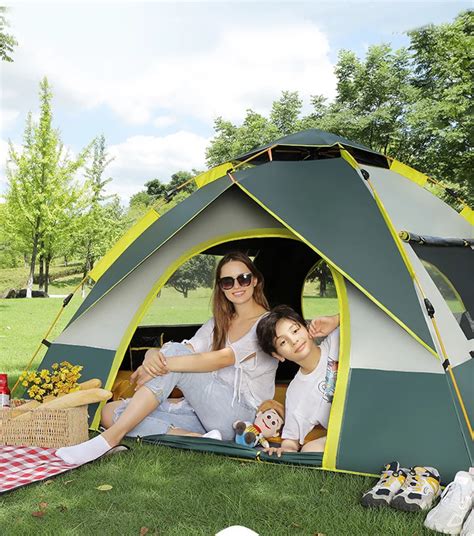
The British camping market is shaped by notoriously unpredictable, wet, and windy maritime weather. Consequently, UK manufacturers focus heavily on high hydrostatic head (HH) waterproof ratings, robust pole structures, and sewn-in groundsheets that seal out moisture entirely. For U.S. homeowners dealing with sudden summer downpours or coastal humidity, these features offer unparalleled peace of mind. Furthermore, the emphasis on darkened bedroom compartments—often marketed as twilight or blackout fabric—helps families sleep past sunrise, a major upgrade for vacationers and backyard campers alike.
Another distinguishing feature of UK-style multi-room shelters is their clever use of partitioned living zones. Instead of relying on a single cavernous room, these tents frequently feature a wet-weather porch area, a central living space for dining or relaxing, and private sleeping pods clipped into the rear. This layout mimics the creature comforts of home, allowing families to keep muddy shoes and gear outside the main sleeping quarters. For renters with limited storage space or homeowners wanting a temporary guest house on the lawn, these modular designs offer extraordinary versatility without permanent installation.
Evaluating Key Features of Multi-Room Tents for American Properties
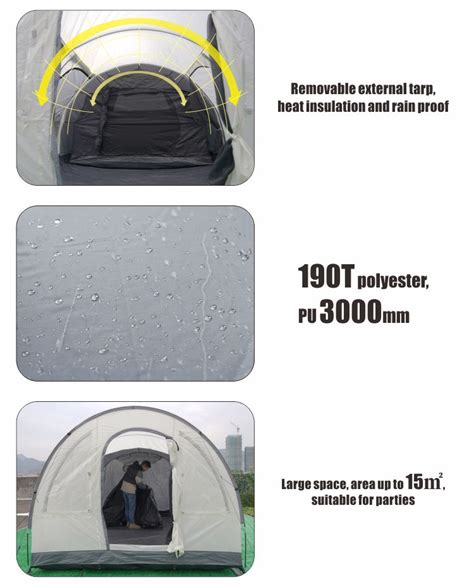
Before selecting a specific model, buyers must analyze how the physical footprint of a multi-room tent fits their available outdoor space. American suburban backyards often feature mature trees, landscaping beds, or sloped lawns that restrict staking options. Tunnel tents, which rely heavily on guy lines and external pole sleeves, require a wider footprint than vertical-wall cabin tents. Measuring your lawn and accounting for the required guy-line clearance prevents unexpected setup headaches on camping day.
Material quality and ease of pitching are equally critical decision criteria for modern buyers. Many premium multi-room tents feature inflatable air beams instead of traditional fiberglass or aluminum poles, drastically reducing setup time for a single person. While air beam technology is exceptionally stable in high winds, it also requires carrying a manual or electric pump. Balancing the speed of inflation against the reliability of traditional metal poles helps families determine which pitching mechanism best suits their comfort level and camping style.
Top 7 Family-Friendly Multi-Room Tents Inspired by UK Engineering
Navigating the vast array of available shelters can feel overwhelming, especially when blending international brand standards with U.S. domestic availability. Below is a curated selection of multi-room family tents that embody the best of British outdoor engineering, tailored for versatile use across American backyards and campsites.
1. The Vango Odyssey Air 800: Ultimate Tunnel Architecture
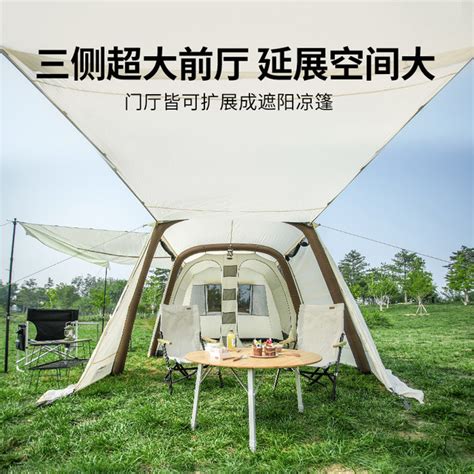
The Vango Odyssey Air 800 showcases the pinnacle of inflatable tunnel design, making it a favorite for large families seeking rapid deployment. Utilizing robust air beams, this expansive structure can be pitched in under fifteen minutes by two adults. Its multi-room layout includes a generous front porch zone, a central communal area, and flexible sleeping pods that can be adjusted or removed based on headcount.
The Protex 70D polyester flysheet boasts a 4,000mm hydrostatic head rating, easily handling torrential downpours that would overwhelm lighter U.S. recreational tents. Darkened bedrooms ensure that toddlers and light sleepers are not jolted awake by the early morning sun. For American homeowners hosting backyard sleepovers, this tent provides a luxurious, weatherproof compound that stands firm against sudden wind gusts.
2. The Outwell Montana 6P: Classic Robust Family Comfort
Outwell is a household name in British camping, and the Montana 6P exemplifies their commitment to sturdy family living. This tent relies on pre-angled steel poles to maximize internal headroom and create near-vertical walls, preventing the cramped feeling common in dome-style alternatives. The front rain-safe doorway provides a protected threshold where muddy boots and wet gear can be shed before entering the immaculate living space.
Inside, the tent is divided into a massive living area and Ambassador Master Bedrooms that feature darkened fabric and cable entry points for electrical cords. The heavy-duty polyethylene groundsheet is completely sewn-in, creating a watertight barrier against creeping dampness and insects. It is an exceptional choice for families looking to spend extended weekends in state parks or sprawling backyards.
3. The Coleman Coastline 4 Deluxe: Compact Multi-Room Efficiency
For families with limited storage space or smaller suburban yards, the Coleman Coastline 4 Deluxe offers a brilliant introduction to UK-style tunnel geometry. Despite its smaller footprint, it manages to squeeze in a functional two-room layout featuring a face-to-face bedroom arrangement with a shared living porch in the center. This opposing bedroom design creates acoustic separation, making it ideal for parents camping with older children or teenagers.
The fiberglass pole architecture is straightforward and lightweight, making it an approachable option for novice campers. The weather-resistant flysheet provides reliable protection against moderate rain and wind, while large PVC windows flood the interior with natural daylight. It delivers the structural advantages of a tunnel tent without requiring a massive financial or spatial investment.
4. The Berghaus Air 4.1XL: Premium Inflatable Luxury
Berghaus brings high-performance mountaineering heritage to family camping with their Air 4.1XL model. This high-end inflatable tent features multi-beam air technology paired with a high-performance, waterproof outer shell rated at 6,000mm hydrostatic head. The single large bedroom pod sits at the rear, while the vast front living zone includes integrated storage pockets, large toggle-up curtains, and mesh ventilation panels to combat condensation.
The inflated beams provide incredible rigidity, allowing the tent to maintain its shape even during severe convective storms common in the U.S. Midwest and South. The inclusion of a fully integrated groundsheet and luminous guy lines ensures safety and cleanliness throughout extended stays. It represents a premium investment for homeowners who demand resort-level comfort during outdoor excursions.
5. The Kampa Hayling 4 Air: Balanced Space and Value
The Kampa Hayling 4 Air strikes an ideal balance between spacious multi-room living and user-friendly setup. Designed around lightweight inflatable tubes, this shelter prioritizes quick ventilation and effortless packing. The integrated front canopy creates a shaded outdoor patio area, perfect for lounging with morning coffee or shielding cooking gear from midday sun.
Weighing considerably less than its larger multi-room counterparts, the Hayling is easy to transport in a standard sedan trunk. The Weathershield 68D polyester fabric keeps the overall package lightweight while offering dependable waterproof performance. Families seeking a hassle-free transition from simple pop-up tents to structured multi-zone camping will find this model exceptionally practical.
6. The Zempire Aero TM V2: Architectural Elegance and Ventilation
While Zempire has strong roots in the Oceania market, their tents heavily influence modern UK family camping trends through advanced airflow engineering. The Aero TM V2 features an ingenious multi-room layout with tinted panoramic windows and a generous front awning area. Its inflatable frame is supplemented by internal storm straps, ensuring exceptional stability on exposed campsites or windy coastal properties.
Ventilation is a standout feature of this model, with low-level and high-level mesh panels designed to prevent internal condensation—a common issue in humid U.S. climates. The darkened sleeping quarters use light-blocking materials that genuinely encourage restful sleep. It is a sophisticated shelter that elevates backyard camping into an aesthetic outdoor experience.
7. The Robens Aero Yurt: Unique Glamping Aesthetics
For homeowners looking to make a striking visual statement on their property, the Robens Aero Yurt merges traditional yurt aesthetics with modern inflatable engineering. Unlike standard tunnel tents, this circular multi-room structure offers soaring ceiling heights and an open central hub that can be customized with camp furniture, rugs, and atmospheric lighting. Optional inner tents allow users to partition the circular space into private sleeping quadrants.
Constructed from breathable technical cotton-poly fabric, the Aero Yurt regulates interior temperature far better than standard synthetic nylon, staying cool in summer and warm during crisp autumn nights. The inflatable central pole and beam network make pitching surprisingly manageable for such a grand structure. It is the ultimate choice for homeowners seeking a permanent or semi-permanent backyard glamping suite.
Practical Considerations for U.S. Buyers Purchasing UK Tents
Importing or sourcing UK-designed camping gear in the United States requires careful attention to logistics and compatibility. Many premier British brands are distributed through specialty outdoor retailers or international shipping platforms, which can affect delivery timelines and return policies. Buyers should verify whether warranty service requires shipping the tent back across the Atlantic or if domestic repair centers are available. Additionally, checking whether stakes and pegs match the specific soil conditions of your local region ensures a secure anchor during your first pitch.
Another vital factor is understanding metric versus imperial specifications regarding footprint and ceiling height. While UK tents list dimensions clearly, visualizing room dividers and porch depths in feet helps prevent sizing miscalculations. By carefully verifying your yard dimensions, assessing your family’s storage requirements, and selecting a weather rating suited to your regional climate, investing in a UK-inspired multi-room tent will elevate your outdoor living experience for years to come.
Frequently Asked Questions
Why are UK multi-room tents popular for U.S. backyards?
UK multi-room tents are renowned for superior weatherproofing, robust tunnel architecture, and sophisticated partitioned living areas that provide privacy and durability unmatched by many standard U.S. dome models.
Are air beam tents difficult to set up for a single person?
Inflatable air beam tents are generally much easier and faster to pitch alone than traditional pole-supported models, though having two people makes positioning the large structure even smoother.
How do I handle shipping and warranties when buying a UK tent in the U.S.?
Always purchase through authorized international distributors or retailers that offer clear U.S. return policies and understand whether manufacturer warranties cover international shipping for repairs.
Can these tents stay pitched in a backyard all summer?
While high-end technical tents can withstand extended outdoor exposure, prolonged UV sunlight degrades synthetic fabrics over time. It is best to take down temporary shelters periodically to inspect wear and tear.