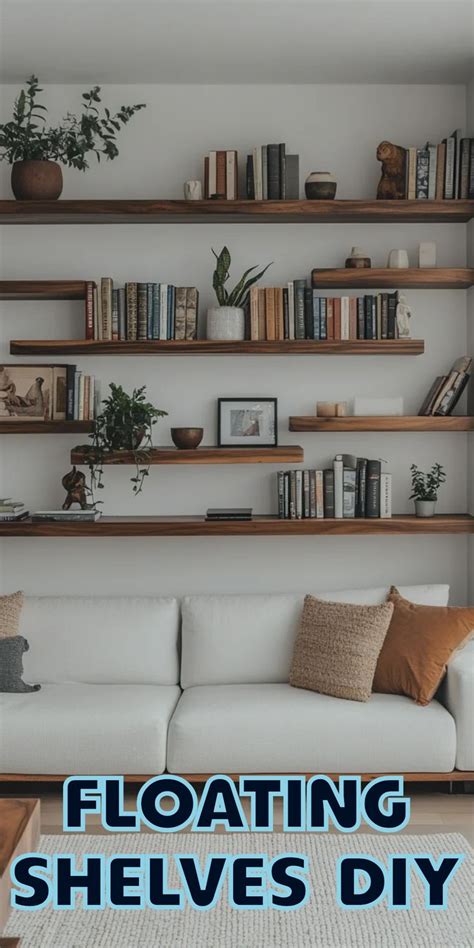
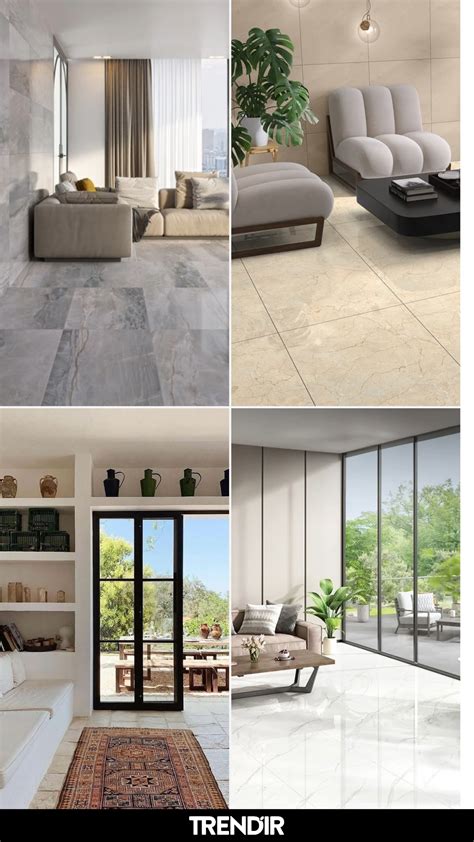
Finding furniture that bridges the gap between high-end aesthetic appeal and everyday relaxation can often feel like a design compromise. Traditional recliners frequently sacrifice sleek lines for plush padding, leaving homeowners wondering how to maintain a sophisticated room layout without giving up lumbar support. The Harrison Charcoal Recliner addresses this common interior design dilemma by pairing a tailored, contemporary silhouette with deep, relaxing ergonomics. Upholstered in a versatile charcoal gray fabric that flirts with black undertones, this seating option serves as a grounding anchor for various architectural styles.
When updating a family room, apartment den, or formal reading corner, neutral furniture pieces offer incredible longevity. By understanding how to balance dark charcoal upholstery with surrounding textures, lighting, and layout strategies, you can transform a simple chair into a signature design element. Whether you are building a monochromatic palette from scratch or working around existing wooden flooring and neutral walls, this guide explores practical ways to incorporate the Harrison Charcoal Recliner into your daily living experience.
The Aesthetic Power of Charcoal, Gray, and Black Palettes

Charcoal is often considered a designer’s secret weapon because it introduces depth without the starkness of solid black or the potential coldness of light gray. When integrated into a living space, the Harrison Charcoal Recliner acts as a visual anchor that brings cohesion to a room. Darker neutral upholstery naturally absorbs light differently than beige or pastel alternatives, creating a sophisticated mood that feels both cozy and intentional.
Pairing charcoal furniture with contrasting elements prevents a room from feeling flat or heavy. For instance, placing the chair against soft off-white, warm taupe, or muted sage walls allows the dark silhouette to stand out clearly. Meanwhile, incorporating brushed brass fixtures, natural wood coffee tables, or woven jute rugs introduces organic warmth that softens the industrial edge of deep gray and black color schemes.
Balancing Modern Ergonomics with Sophisticated Interior Design
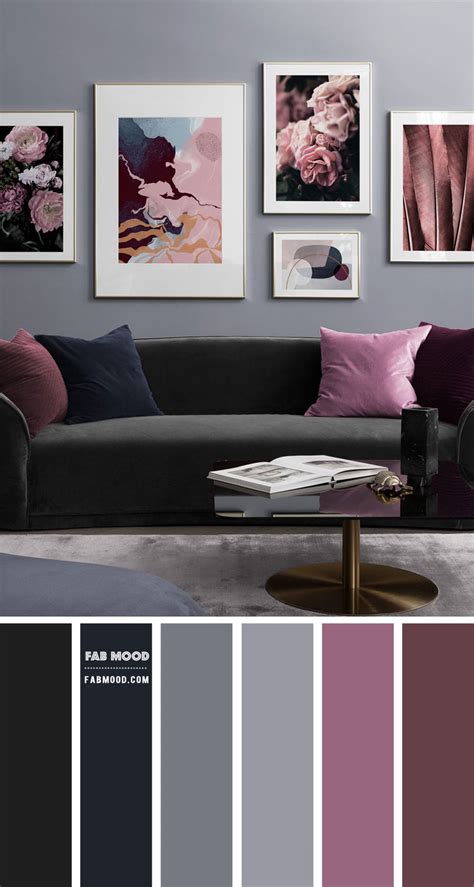
One of the primary challenges in modern interior styling is keeping ergonomic comfort from visually dominating a room. Bulky mechanisms and oversized armrests can easily overwhelm a modest floor plan. Modern recliners like the Harrison model successfully merge streamlined tailoring with hidden functional mechanics, ensuring the chair looks just as attractive in the upright position as it does when fully reclined.
To maintain a polished look, consider the sightlines of your room. Position the recliner so that its back is cleanly framed by a wall, a low console table, or an open-concept pathway rather than jutting awkwardly into the center of a main walkway. Selecting a chair with clean seams and structured cushioning ensures that your seating area retains a tailored appearance, even when prioritized for weekend lounging and movie marathons.
Integrating the Harrison Charcoal Recliner Into Different Design Styles
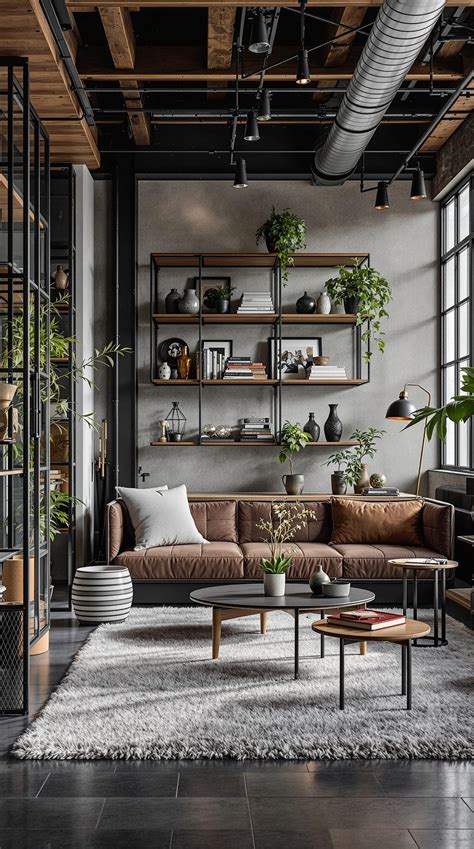
Interior design versatility is essential for homeowners and renters who like to refresh their decor over time. The neutral, understated nature of the Harrison Charcoal Recliner makes it a natural fit across multiple aesthetic frameworks, ranging from clean modern minimalist spaces to rugged industrial apartments and comfortable transitional homes.
Modern Minimalist and Industrial Spaces
In a minimalist or industrial setting, charcoal and black tones feel completely at home. You can complement the chair’s dark fabric with exposed metal legs on surrounding tables, polished concrete floors, or matte black lighting fixtures. Keep accessories to a minimum, letting the architectural lines of the furniture speak for themselves while adding comfort through a single, high-contrast throw blanket.
Transitional and Cozy Traditional Rooms
For spaces leaning toward a warmer, more traditional aesthetic, the challenge lies in warming up the charcoal tones. Pairing the recliner with plush woolen throws, houndstooth patterned accent pillows, and rich walnut or oak wood accents creates a welcoming contrast. This approach bridges the gap between contemporary utility and classic American home comfort, ensuring the room feels lived-in and inviting.
Smart Space Planning for Medium and Small Layouts
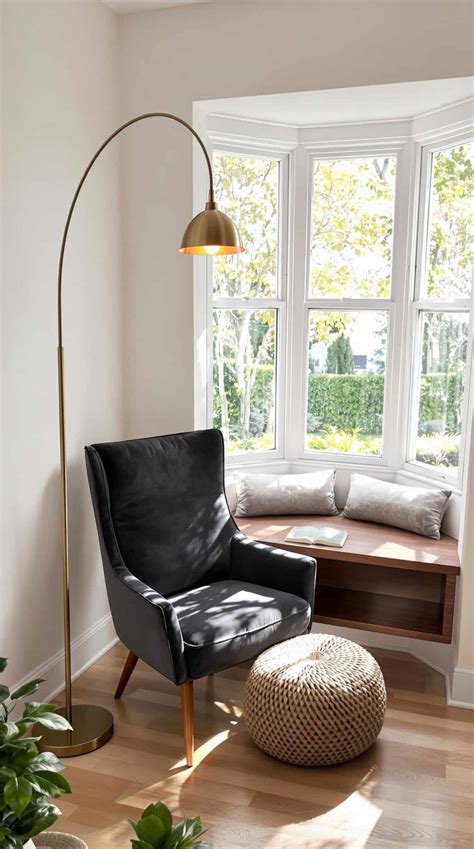
Incorporating a recliner into a compact living room or apartment layout requires careful consideration of clearance and scale. Because recliners extend backward during use, planning the wall clearance and footrest trajectory prevents spatial crowding. Positioning the Harrison Charcoal Recliner at an angle in a vacant corner can instantly activate dead space while preserving an open, conversational traffic flow.
In medium-sized rooms, use the chair to anchor a distinct reading zone or conversation nook paired with a slim floor lamp and a compact side table. By treating the recliner as a purposeful zone rather than an afterthought, you enhance the functionality of the room without making the floor plan feel cluttered or cramped.
Frequently Asked Questions
What wall colors pair best with a charcoal gray recliner?
Charcoal furniture is exceptionally versatile. Soft off-whites, warm greiges, muted sages, and subtle warm beiges create a balanced backdrop that makes the dark upholstery pop without darkening the room. For a bolder look, deep navy or moody forest green accent walls can create a dramatic, cohesive atmosphere.
How do I keep a dark charcoal chair from making a small room look smaller?
To prevent a dark piece of furniture from weighing down a compact space, balance it with lighter surrounding elements. Use light-colored flooring or an expansive neutral area rug, incorporate glass or acrylic accent tables, and ensure the room benefits from plenty of natural or layered artificial lighting.
Can a modern recliner fit into a formal living room layout?
Yes, provided the recliner features a clean, tailored silhouette rather than overstuffed, traditional padding. The Harrison Charcoal Recliner offers streamlined lines that blend well with formal sofas, provided you coordinate textures and maintain a clear, intentional furniture arrangement.
What fabrics and textures complement charcoal upholstery?
Charcoal fabric pairs wonderfully with natural textures such as raw wood, brushed brass, leather, woven rattan, and chunky knit wools. Mixing these materials adds visual interest and prevents a monochromatic gray and black color scheme from feeling sterile.