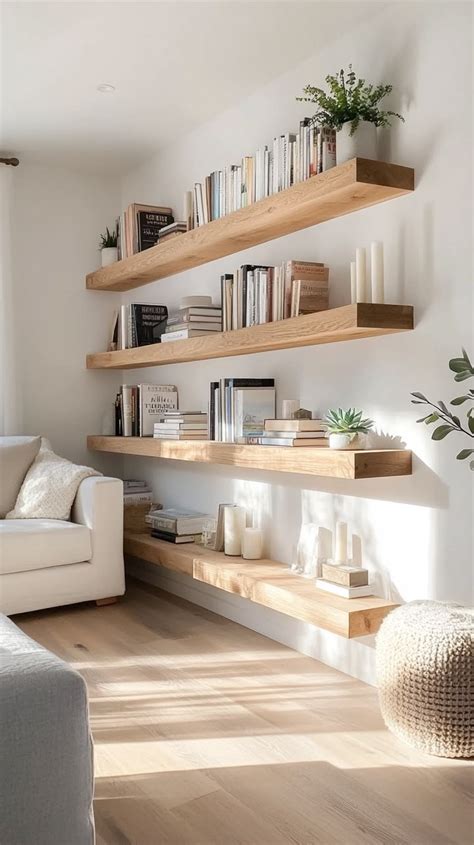
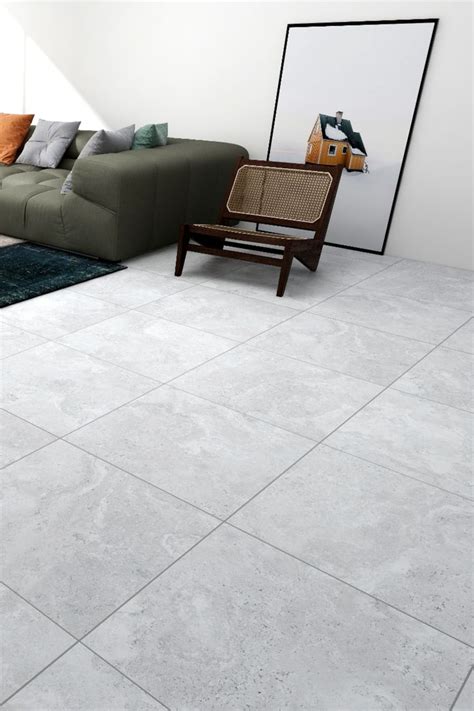
Furnishing a home in the United States often feels like walking a tightrope between steep designer prices and flimsy fast-furniture options that barely survive a single lease cycle. Whether you are moving into a suburban house or updating an urban apartment, the living room and kitchen demand the lion’s share of your attention and budget. These are the spaces where daily life unfolds, guests gather, and functionality meets personal style. Achieving a cohesive, high-end look without emptying your savings account requires more than just browsing clearance racks; it calls for a deliberate strategy focused on material integrity, smart allocation of funds, and a keen eye for timeless design.
Navigating the vast landscape of U.S. furniture retailers can easily become overwhelming. From massive warehouse showrooms to direct-to-consumer online brands, options are seemingly endless, yet quality varies wildly. To master affordable quality furniture shopping, you must learn to look past slick marketing imagery and evaluate what really matters: construction methods, core materials, and long-term utility. By dividing your efforts between strategic investments and savvy budget saves, you can curate a welcoming, durable interior that feels intentional and well-crafted.
Decoding Quality: How to Spot Durable Materials on a Budget
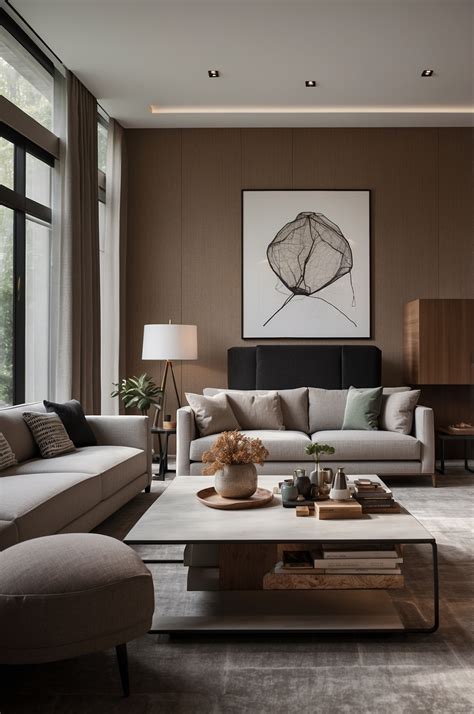
When shopping for budget-friendly furniture, the biggest trap is mistaking low initial cost for actual value. A cheap particleboard coffee table that sags under the weight of a few art books is no bargain if you have to replace it in eighteen months. Understanding what your furniture is actually made of is the single most effective way to protect your wallet. Solid wood remains the gold standard for durability, but solid construction often comes with a higher price tag. Fortunately, manufacturers frequently use high-grade engineered wood, such as medium-density fiberboard (MDF) or plywood, which can offer exceptional stability and resistance to warping when finished properly.
When examining upholstered pieces like living room sofas or accent chairs, the internal frame dictates longevity just as much as the fabric. Look for kiln-dried hardwood frames or engineered frames reinforced with corner blocks and dowels rather than simple staples and glue. For kitchen counter stools and dining tables, metal frames and powder-coated steel provide immense strength at a fraction of the cost of heavy hardwoods. Always check product specifications for weight capacity ratings, as these metrics often reveal the structural robustness of budget-friendly items.
Living Room Essentials: Where to Invest and Where to Save
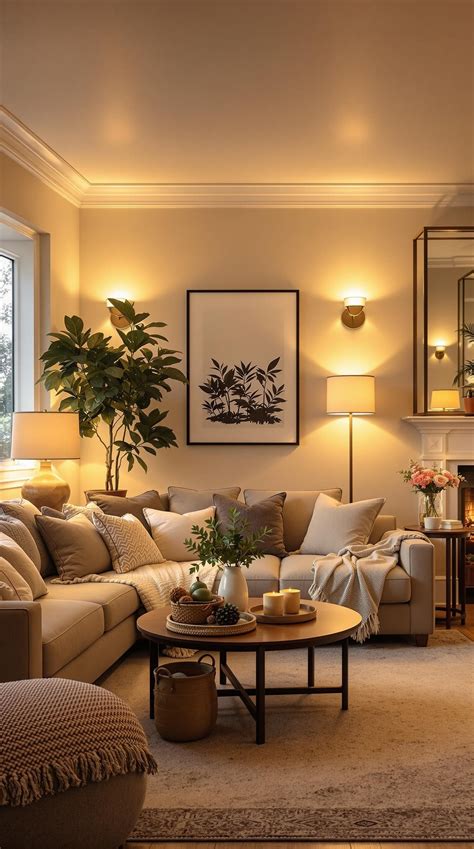
The living room is typically the visual anchor of an American home, making it crucial to distribute your budget wisely. The golden rule of living room furnishing is simple: invest your hard-earned money in pieces that endure heavy physical contact, and save on decorative items that serve a purely aesthetic function. Your sofa is the absolute priority investment. Because you sit, lounge, and entertain on it daily, look for high-resiliency foam cushions, sturdy suspension systems like sinuous springs or webbed decking, and durable, tightly woven performance fabrics that resist stains and wear.
Conversely, you can safely allocate a smaller portion of your budget to secondary items like coffee tables, side tables, and media consoles. These surfaces do not bear human weight, meaning you can comfortably explore affordable options made from veneered MDF, tempered glass, or minimalist metal frames. A sleek, budget-friendly media console can look remarkably high-end if you style it carefully with books, ceramics, and well-managed cables. By balancing a durable, comfortable sofa with budget-conscious accent tables, you achieve an elevated look without overspending.
Kitchen and Dining Finds: Maximizing Space and Functionality
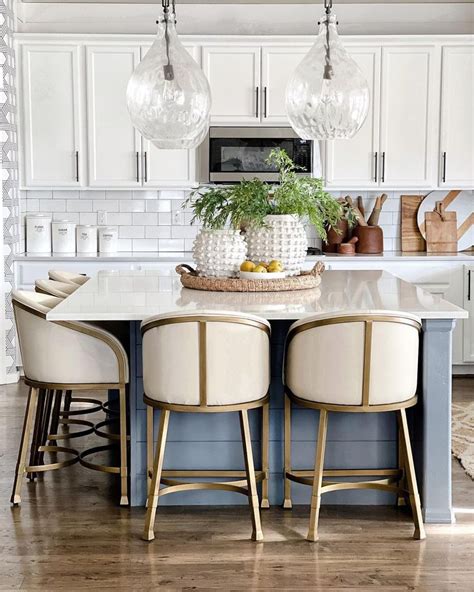
In many modern U.S. homes and apartments, the kitchen acts as the central hub of daily activity, whether it features an open-concept island or a cozy eat-in nook. Finding affordable kitchen and dining furniture requires a strong focus on spatial efficiency and easy maintenance. Counter stools, for instance, are heavily used touchpoints that need to withstand sliding, tilting, and daily spills. Opt for stools with wipeable surfaces like faux leather, molded plastic, or sealed wood, paired with sturdy metal bases that won’t wobble over time.
When shopping for kitchen dining sets or compact kitchen tables, drop-leaf designs and extendable tables offer incredible versatility for growing families or those who frequently host guests. If space is tight, consider pairing a slim bistro table with backless stools that tuck entirely underneath the countertop when not in use, instantly freeing up valuable floor space. Prioritize scratch-resistant tabletops, such as laminate or lacquered finishes, which shrug off daily kitchen messes, hot coffee mugs, and homework sessions alike.
Navigating U.S. Retailers and Hidden Costs
Shopping for furniture in the United States involves navigating a complex ecosystem of online storefronts, regional brick-and-mortar stores, and outlet centers. Direct-to-consumer online brands often provide trendy silhouettes and competitive baseline pricing, but shoppers must remain vigilant about hidden costs. Delivery fees, mandatory white-glove assembly charges, and restrictive return policies can quickly inflate a seemingly modest budget by hundreds of dollars. Always read the fine print regarding shipping timelines and restocking fees before clicking purchase.
To secure the best deals, time your major purchases around traditional U.S. retail holiday sales, such as Presidents’ Day, Memorial Day, Labor Day, and Black Friday. Additionally, don’t overlook local outlet stores, liquidation centers, or floor-sample sales from reputable mid-tier brands. These venues frequently offer deep discounts on overstock or minor cosmetic blemishes that are entirely unnoticeable once the piece is placed in your home. Comparing total out-the-door costs rather than sticker prices alone ensures your budget stays securely on track.
Frequently Asked Questions
Where can I buy affordable and durable furniture in the U.S.?
Shoppers can find a balance of affordability and durability by exploring reputable direct-to-consumer online brands, large regional retailers, major holiday sales events, and dedicated outlet stores. Always check product specifications for frame materials and weight capacities rather than relying solely on brand popularity.
How can I tell if cheap furniture is actually good quality?
Examine the product description for core materials like kiln-dried hardwood, plywood, or high-density MDF instead of low-grade particleboard. Check for reinforced joints, such as dowels and corner blocks, and look for supportive cushion construction like high-resiliency foam and sinuous springs in upholstered items.
What are the must-have living room pieces to invest in versus save on?
You should invest the largest share of your living room budget into a comfortable, durable sofa with a robust frame and performance fabric. You can save money on non-weight-bearing accent pieces such as coffee tables, side tables, and media consoles by opting for durable veneers, metal, or glass.
How do I choose functional, space-saving furniture for the kitchen or dining area?
Focus on multi-functional and compact designs, such as drop-leaf tables, counter stools that tuck completely under kitchen islands, and easy-to-clean scratch-resistant surfaces like laminate, metal, or sealed wood.