When a living room begins to feel a bit stagnant or uninspired, the quickest way to engineer a complete visual reset is from the ground up. Introducing a new area rug instantly changes the room’s acoustic profile, anchors floating furniture arrangements, and infuses fresh color and texture into your daily surroundings. Across modern American homes, interior styling has shifted toward creating spaces that balance relaxed comfort with sophisticated design, making the floor covering a critical focal point.
Navigating the current landscape of home decor trends can feel overwhelming given the vast array of materials, weaves, and geometric motifs available on the market. Whether you live in a spacious suburban home with an open-concept layout or a cozy urban apartment, selecting the right rug requires a careful balance of aesthetic desires and everyday practicality. By understanding which textures, palettes, and dimensions currently dominate the design scene, you can make an informed choice that elevates your living room for years to come.
Embracing Tactile Textures and Organic Materials
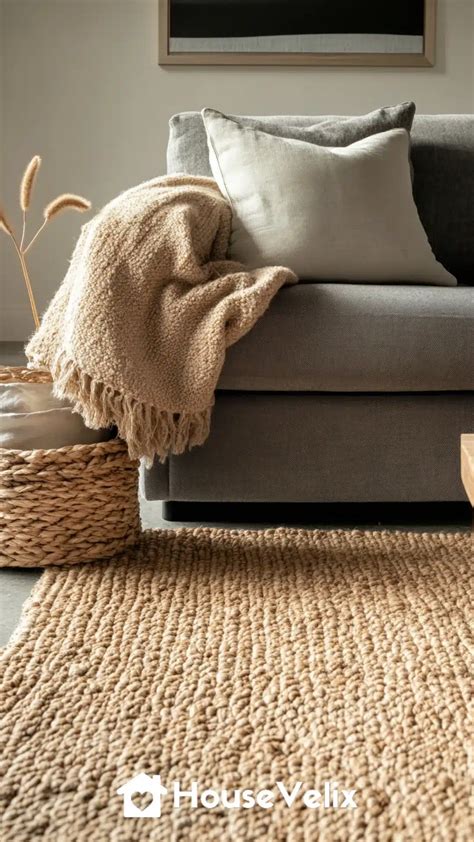
One of the most prominent shifts in contemporary interior design is the celebration of rich, tactile surfaces that invite physical interaction. Flat-woven synthetic styles are making room for heavily textured woolen loops, chunky jute blends, and plush high-pile designs that add depth and dimension to neutral floors. These materials do more than just look visually appealing; they create a multi-sensory environment that makes a living room feel grounded, warm, and deeply inviting.
Natural fibers like wool, jute, sisal, and organic cotton remain perennial favorites for U.S. households prioritizing sustainability and timeless appeal. Wool offers exceptional natural resilience and stain resistance, making it an ideal choice for households with active family members. Meanwhile, jute and sisal bring an earthy, organic charm that pairs effortlessly with modern farmhouse, bohemian, or transitional design aesthetics. However, coarse plant fibers require careful placement, as they can feel abrasive under bare feet and may stain if exposed to excessive moisture.
Playing with Subdued Palettes and Modern Motifs
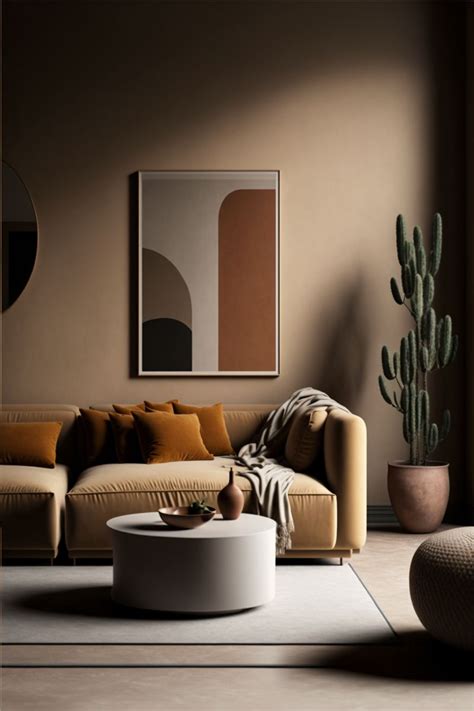
Color trends in area rugs have moved away from stark, high-contrast geometric patterns toward softer, more harmonious palettes inspired by nature. Muted earth tones, warm terracotta, calming sage greens, and sophisticated, weathered blues are currently dominating living room updates. These understated hues provide a versatile backdrop that allows your existing furniture, art, and accent pieces to shine without competing for visual dominance.
In terms of pattern, abstract watercolor washes, subtle botanical line art, and distressed vintage-inspired motifs are leading the charge. These designs offer a lived-in, effortless elegance that softens the clean lines of modern or contemporary furniture. A subtly patterned rug is also remarkably practical for busy family rooms, as it naturally masks minor everyday dust and lint better than a solid, ultra-light counterpart.
Sizing and Placement Strategies for Standard U.S. Living Rooms
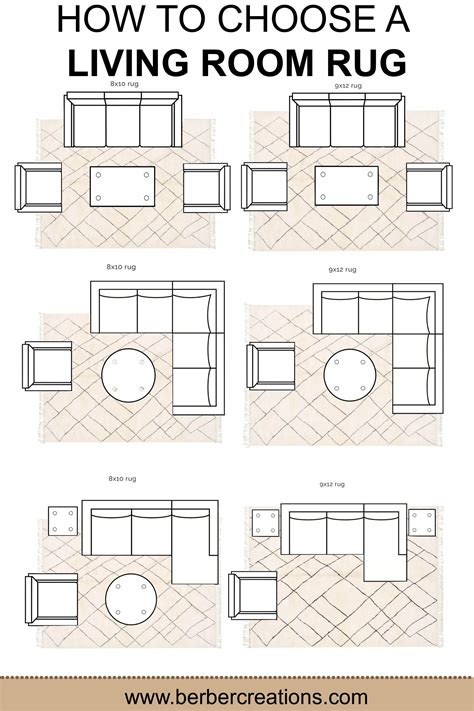
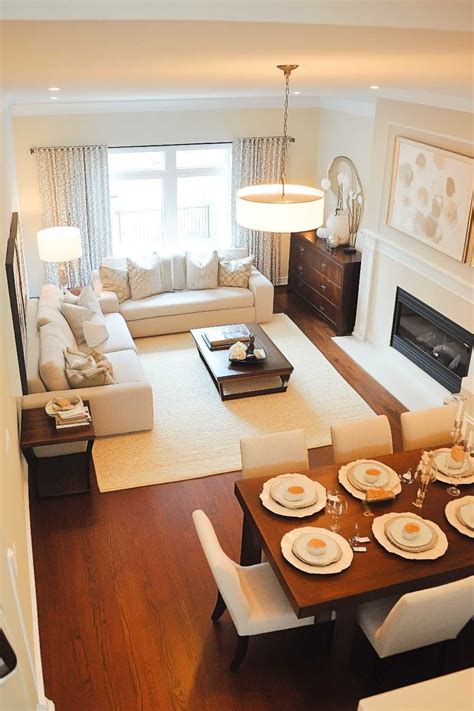
Choosing the correct rug size is arguably the most critical decision in the entire styling process, yet it is frequently underestimated. In many standard American living rooms, homeowners make the common mistake of selecting a rug that is too small, which visually chops up the floor plan and makes the seating area feel cramped and disconnected. A properly proportioned rug should visually anchor the main furniture grouping and establish a clear perimeter for the conversation zone.
For a standard medium-to-large living room, aim for a size like an 8×10 or 9×12 feet rug that accommodates at least the front legs of your sofa and armchairs. This “front legs on” arrangement creates an intentional, cohesive look while maximizing the perception of floor space. In smaller apartments, a 5×7 or 6×9 rug can work well if all four legs of a compact sofa rest entirely on the rug, or if the rug sits centrally beneath a coffee table surrounded by floating accent chairs.
Balancing High-Traffic Durability with Everyday Luxury
Before finalizing your living room rug purchase, evaluate how your household actually uses the space on a daily basis. High-traffic areas shared by pets, children, and frequent guests demand performance-oriented materials and tightly constructed weaves that resist matting and shedding. While a delicate silk-blend rug might look stunning in a formal parlor, it is rarely a practical choice for a family room where movie nights and weekend lounging take center stage.
Investing in a quality rug pad is another essential step that protects both your flooring and your new investment. A proper pad prevents slipping, adds luxurious underfoot cushioning, and extends the lifespan of the rug by minimizing friction against hard surface flooring. By carefully weighing these durability factors against your style preferences, you can successfully select a trendy area rug that delivers both lasting performance and elevated everyday beauty.
Frequently Asked Questions
What are the top area rug trends for living rooms right now?
Current trends emphasize tactile textures such as chunky wool loops and natural jute, alongside muted, nature-inspired color palettes like warm terracotta, sage green, and weathered blues. Distressed vintage motifs and soft abstract watercolor patterns are also widely popular for creating a lived-in, sophisticated aesthetic.
How do I choose the right rug size for my living room?
To create a balanced look, ensure the rug is large enough so that at least the front legs of your main seating furniture rest upon it. In larger spaces, an 8×10 or 9×12 rug works well to anchor the layout, while smaller spaces can utilize a 5×7 or 6×9 rug placed centrally beneath the coffee table.
Which rug materials hold up best in high-traffic living areas?
Wool is widely considered the gold standard for durability and natural stain resistance in busy living rooms. Synthetic fibers like polypropylene and durable natural weaves like tight jute or sisal also offer excellent resilience against heavy foot traffic, kids, and pets.