Few home decor upgrades transform a room as instantly as a plush, high-pile floor covering. Introducing a fluffy rug into your main gathering space softens hard flooring surfaces, dampens ambient noise, and creates an inviting focal point that encourages everyone to kick off their shoes. Whether you live in a sprawling suburban residence or a compact urban apartment, achieving that sought-after tactile warmth requires thoughtful planning around room dimensions, furniture arrangements, and material selection.
Navigating the vast array of available textures, backing types, and synthetic versus natural fibers can feel overwhelming without a clear strategy. By understanding how different pile heights perform under daily foot traffic and how to properly anchor your furniture layout, you can select a piece that looks stunning and withstands real-world family routines. This comprehensive guide walks through everything homeowners and renters need to know to make an informed, confident purchase.
Sizing and Placement Strategies for American Living Spaces
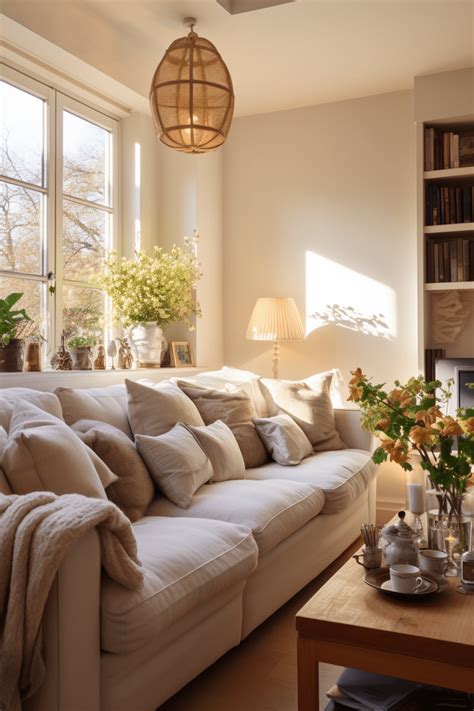
Choosing the correct dimensions is the single most critical step in rug selection, yet it is where many decorators make costly mistakes. In typical American living rooms, undersized rugs make the entire seating arrangement look disjointed and cramped. Aim for a scale that allows at least the front legs of your sofa and armchairs to rest comfortably on the rug surface, which visually unifies the conversation area into a cohesive island of comfort.
For standard open-concept floor plans or mid-sized spaces, an 8×10 foot rug is often the gold standard. This size provides enough coverage to extend past the outer edges of a three-seater sofa while leaving a neat perimeter of exposed hardwood or tile flooring. In smaller or more narrow spaces, a 5×7 foot option can work well, provided that furniture is arranged thoughtfully so the rug doesn’t float disconnectedly in the center of the room.
Defining Conversation Areas with Proper Furniture Anchoring
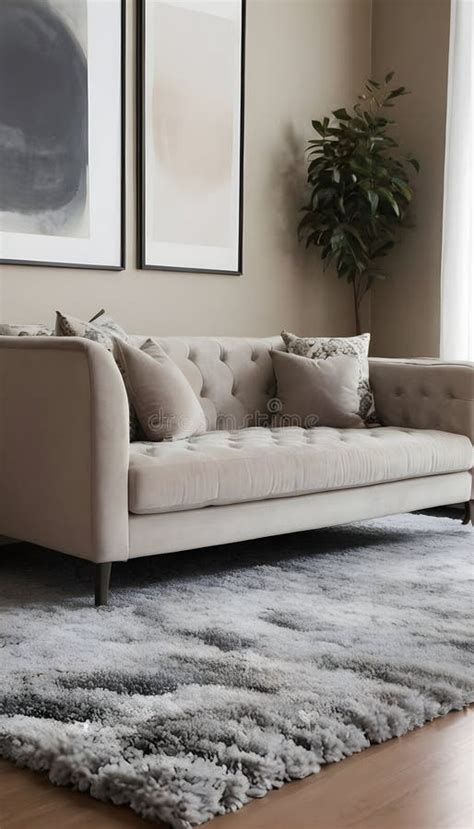
When positioning your plush floor covering, consider the flow of traffic and the focal point of the room, such as a fireplace or entertainment center. Having all furniture legs completely on the rug creates a luxurious, hotel-like atmosphere suitable for expansive rooms, while the classic ‘front legs on’ approach offers a balanced compromise that opens up medium-sized spaces. Avoid floating furniture entirely off the rug, as this makes the layout feel disjointed and visually shrinks the room’s proportions.
Another detail to keep in mind is door clearance and foot traffic pathways. Ensure that high-traffic entry points into the living room do not get blocked by thick, high-pile edges, which can create tripping hazards. Planning your layout in advance with painter’s tape on the floor helps you visualize the exact footprint before committing to a specific rug dimension.
Evaluating Materials and Pile Heights for Comfort and Durability
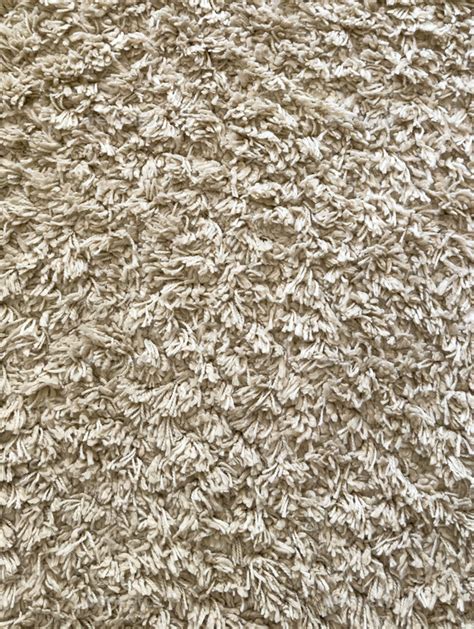
The luxurious feel underfoot depends heavily on fiber composition and pile density. Synthetic fibers like polyester, polypropylene, and premium acrylic offer incredible softness, vibrant color retention, and natural stain resistance at accessible price points. These materials handle everyday household wear remarkably well, making them popular choices for families with children and pets who want a plush aesthetic without intensive daily maintenance.
On the other end of the spectrum, natural fibers such as wool provide unmatched resilience, acoustic insulation, and a rich, organic texture. While wool high-pile rugs tend to have a higher initial investment, their natural lanolin content helps repel dirt, and individual fibers bounce back exceptionally well under heavy foot traffic. However, wool rugs do experience initial shedding, which gradually subsides with regular, gentle vacuuming over the first few months of use.
Understanding Pile Height Trade-Offs
High-pile and shag rugs generally feature fibers ranging from one to over two inches in length, delivering that signature sink-in softness. The trade-off for this supreme tactile indulgence is that crumbs, dust, and pet hair can settle deep into the backing, requiring more deliberate cleaning techniques. Low-pile alternatives are easier to maintain but lack the cloud-like cushioning that defines a truly cozy living room upgrade.
When shopping, examine the rug’s density rather than just its loft. A tightly packed high-pile rug feels significantly more substantial and resists flattening much better over time than a loosely tufted option with long, sparse threads. Investing in a quality rug pad underneath also adds plushness while preventing the rug from slipping on smooth wood or laminate flooring.
Practical Maintenance and Cleaning for High-Pile Rugs
Keeping a fluffy rug looking pristine requires establishing a consistent, gentle cleaning routine. Because high-pile fibers trap debris deep within their structure, standard vacuuming with a heavy rotating brush roll can pull and damage delicate yarns. Instead, switch off the beater bar on your vacuum or use a specialized upholstery attachment to glide smoothly over the surface and extract loose dirt without snagging the fibers.
Addressing spills promptly is equally vital to prevent stains from setting into synthetic or wool strands. Blot liquid mishaps immediately with a clean, white absorbent cloth, working from the outside edges inward to avoid spreading the moisture. Avoid harsh chemical cleaners or vigorous rubbing, which can permanently alter the texture of the pile; mild dish soap mixed with lukewarm water is usually sufficient for spot-cleaning minor everyday accidents.
Managing Allergens and Shedding in Busy Households
Many homeowners worry that plush rugs trap allergens, but regular maintenance can mitigate these concerns effectively. High-pile rugs actually trap dust particles from circulating in the air until they are vacuumed away, acting as a temporary filter when paired with a good indoor air routine. Periodic professional cleaning helps deep-clean the backing and restore the original fluffiness of compressed fibers in heavy-traffic zones.
Shedding is a normal characteristic, particularly with natural wool materials during their initial break-in period. Knowing what to expect helps you manage maintenance without frustration, ensuring your rug remains a comfortable, beautiful centerpiece for years to come.
Frequently Asked Questions
What size fluffy rug works best for a standard American living room?
An 8×10 foot rug is generally the most versatile size for standard American living rooms, allowing the front legs of your sofa and main chairs to sit comfortably on the surface while anchoring the entire seating layout. For smaller apartments, a 5×7 foot option can work if positioned carefully.
How do I vacuum a high-pile fluffy rug without damaging it?
To protect delicate high-pile fibers, turn off the rotating beater bar on your vacuum cleaner or use a smooth suction-only upholstery attachment. This prevents the vacuum from pulling, fraying, or tangling the long yarn strands while still effectively lifting surface dust and debris.
Are fluffy rugs suitable for homes with pets and children?
Yes, durable synthetic fibers like polyester or polypropylene withstand active households well and offer built-in stain resistance. However, you will want to choose a denser weave that resists flattening and commit to regular, gentle vacuuming to manage pet hair and everyday crumbs.
How can I stop my fluffy living room rug from sliding?
Placing a quality non-slip rug pad underneath your fluffy rug prevents it from shifting on hardwood, tile, or laminate flooring. A good pad also adds an extra layer of underfoot cushioning and protects your underlying floor surface from wear.