When floor space runs out, your walls offer an expansive canvas for organization and design. Building your own storage solutions gives you absolute control over dimensions, materials, and finishes, ensuring that every board fits your exact spatial needs. Whether you want to clear clutter from a compact apartment kitchen or showcase a book collection in a sprawling living room, constructing custom shelving transforms bare walls into hardworking architectural features. Approaching a shelving project requires balancing aesthetic goals with structural reality. Before picking up a saw or selecting brackets, understanding wall construction, weight capacities, and installation hardware prevents frustrating mistakes. This guide explores a wide array of creative and functional designs categorized by room, detailing what you need to know to execute them safely and stylishly.
Successful woodworking and installation rely heavily on precise measurements and proper tool preparation. Gathering a reliable stud finder, a spirit level, a power drill, and corrosion-resistant fasteners ensures your hard work remains securely attached to the wall over years of daily use. Taking the time to sand raw lumber, apply uniform wood conditioner, and finish surfaces with durable stains or varnishes elevates a simple utilitarian board into a custom statement piece that enhances your interior decor.
Living Room Display and Floating Shelves
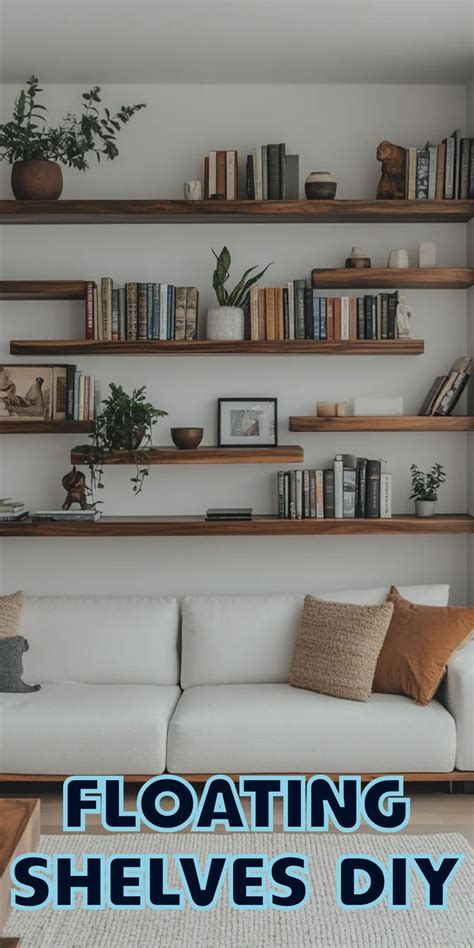
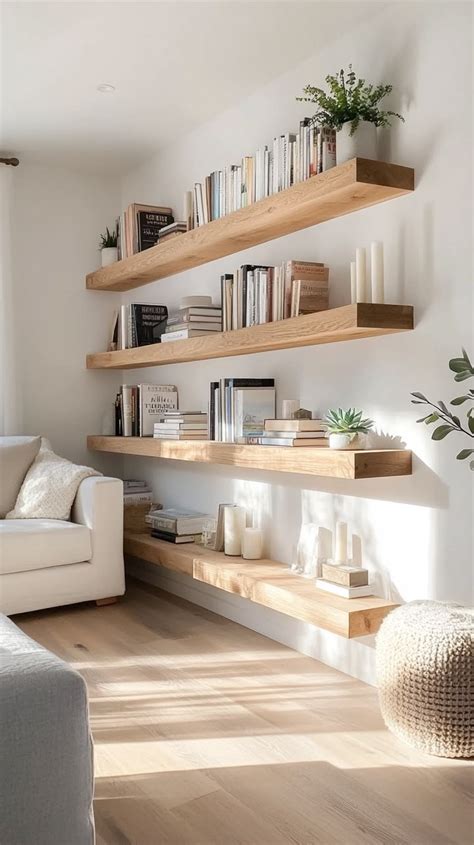
The living room often acts as the central hub of the home, making it the ideal spot for statement storage that blends decorative styling with practical utility. Floating shelves create a clean, modern silhouette by concealing mounting hardware entirely inside the wood plank, offering an uninterrupted visual line that flatters contemporary and transitional interiors alike. Installing these architectural features requires precise drilling into internal support rods or mounting a heavy-duty steel backplate directly to wall studs, ensuring the shelf can safely support books and ceramics without sagging over time.
Building your own floating shelves typically involves constructing a hollow box or routing a thick piece of lumber to slide over a secured wall-mounted steel bracket. Pine, oak, and walnut remain popular choices due to their accessibility and distinct grain patterns, which take wood stains and clear protective coats beautifully. When styling these surfaces, mix vertical elements like framed prints with horizontal stacks of books and smaller sculptural objects to maintain visual balance without overloading the weight capacity of your anchors. Always verify the maximum load rating of your chosen brackets before placing heavy electronic items or dense book collections onto upper wall displays.
Kitchen and Pantry Open Shelving
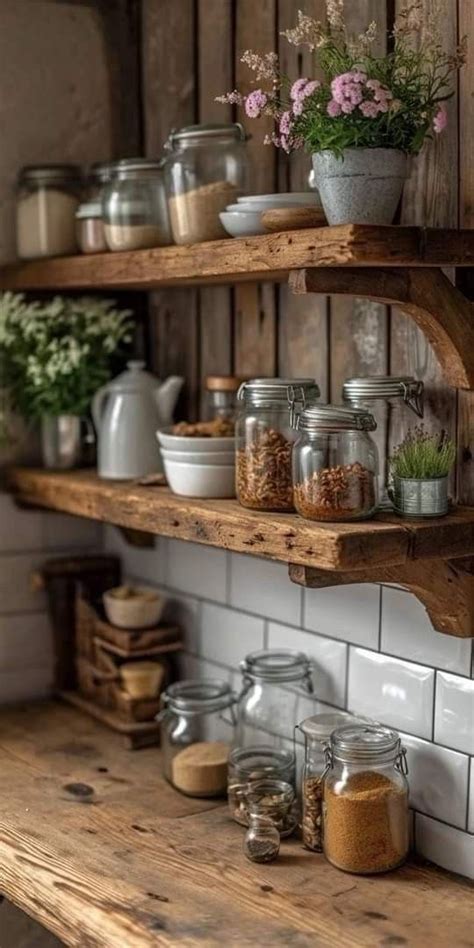
Transitioning from upper kitchen cabinets to open shelving brings an airy, artisanal quality to culinary spaces while keeping everyday dishware within arm’s reach. Solid hardwood planks paired with sturdy metal brackets can easily support heavy ceramic plates, glassware, and cast-iron skillets when anchored directly into wall studs. To achieve this look safely, select lumber that is at least 1.5 inches thick to prevent bowing under heavy loads, and space your heavy-duty brackets no more than 32 inches apart across the span of the board.
Moisture resistance and easy cleaning stand out as critical factors in kitchen environments where steam and grease are common. Selecting kiln-dried lumber and sealing it with a food-safe polyurethane or waterproof varnish protects the wood from daily wear and tear. Thoughtful organization prevents open kitchen shelves from looking cluttered; keeping items grouped by material or color palette creates a cohesive, intentional aesthetic that elevates the entire room while maintaining supreme functional accessibility for morning routines and meal preparation.
Bedroom and Closet Organizational Shelves
Bedrooms demand storage that fosters a calm, restful atmosphere while maximizing closet capacity or creating display space for personal accessories. Custom shoe ledges, overhead closet cubbies, and bedside floating ledges eliminate bulky furniture footprints, freeing up valuable square footage in smaller sleeping quarters. Constructing custom closet shelving allows you to configure vertical spacing precisely for folded sweaters, storage bins, and hanging garments tailored to your specific wardrobe inventory.
In closets, utilizing melamine boards or sturdy plywood provides a smooth, durable surface that resists scratching from hangers and storage bins. Incorporating adjustable shelf standards allows your closet layout to evolve as your wardrobe changes across seasons. For bedside shelving, a simple live-edge wood slab mounted with minimalist black iron brackets adds organic warmth and provides a convenient spot for nighttime reads, reading glasses, and small accent lamps without cluttering your bedside floor area.
Bathroom Over-the-Toilet and Wall Storage
Bathrooms frequently struggle with limited storage, turning neglected vertical real estate above toilets and bathtubs into prime locations for functional shelving. Floating wooden ledges or wire-basket shelves hold extra toilet paper, plush towels, and glass jars filled with everyday essentials. Because bathrooms experience high humidity fluctuations, selecting the right finish is non-negotiable for longevity and structural stability in wet environments.
Unfinished softwoods will warp or grow mold in damp conditions, making exterior-grade sealants, marine varnish, or multi-coat polyurethane essential protective measures. Always verify your hardware selections to ensure screws, brackets, and anchors resist rust and corrosion over years of exposure to steam and splashing water. Proper ventilation through exhaust fans or open windows further protects your custom wood installations from moisture damage and preserves the pristine finish of your bathroom storage.
Renter-Friendly and Damage-Free Shelving Options
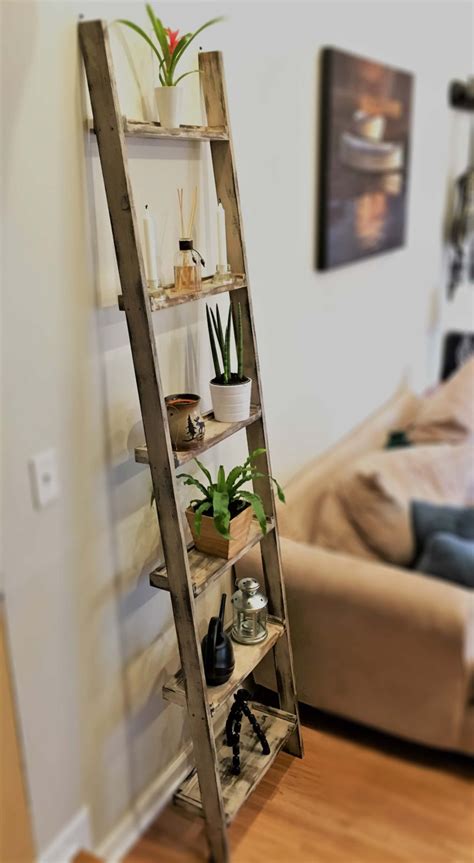
Renting a home often limits your ability to drive large lag bolts into drywall, but renters do not have to sacrifice vertical storage. Tension pole shelving units, leaning ladder shelves, and heavy-duty adhesive mounting systems offer versatile alternatives that require minimal or zero permanent wall modification. These creative setups let you personalize your living space and organize books or plants without violating lease agreements or creating large holes that are difficult to patch upon moving out.
Leaning bookshelves utilize gravity and anti-tip wall straps secured with small anchor holes that are easily filled with spackle later. Modular tension systems wedge securely between floor and ceiling, providing multi-tier organization for decor and kitchen items without disturbing structural drywall. These temporary solutions deliver the aesthetic benefits of custom storage with the flexibility required for apartment living, ensuring your organizational setup moves with you whenever your lease ends.
Frequently Asked Questions
What are some easy DIY shelving ideas for beginners?
Beginners can start with simple board-and-bracket shelves or pre-made crates attached directly to wall studs. These projects require minimal cutting and straightforward hardware installation.
How can I build sturdy shelves without spending a lot of money?
Using construction-grade dimensional lumber like pine or MDF, along with basic steel brackets, keeps material costs low while providing excellent structural integrity.
What type of shelving is best for small spaces or apartments?
Leaning ladder shelves, tension pole systems, and floating wall shelves maximize vertical space without consuming valuable floor area, making them ideal for compact rooms.
How do I safely anchor heavy shelves to drywall?
Always attempt to screw shelf brackets directly into wooden wall studs. If a stud is not available, use rated toggle bolts or heavy-duty drywall anchors matched to the weight of your items.
What materials do I need for basic wooden wall shelves?
You will need your chosen wood boards, wall brackets, a stud finder, a level, a power drill, appropriate screws, and safety gear such as glasses and a dust mask.