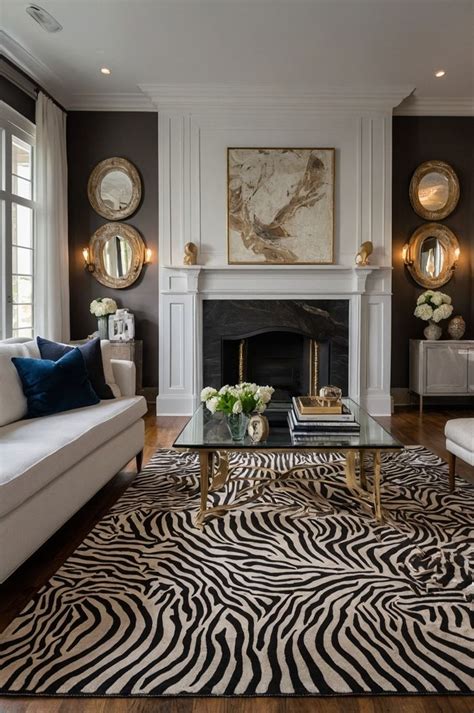
Finding the right floor covering involves much more than simply picking a pattern that catches your eye. Across the United States, homes and apartments feature drastically different spatial layouts, flooring materials, and architectural quirks. Whether you are anchoring a sprawling suburban open-concept great room or maximizing every square foot of a downtown high-rise apartment, the right floor covering transforms the entire atmosphere.
Successfully integrating diverse rug styles and sizes requires balancing visual appeal with everyday utility. Material choices dictate how well a piece handles high-traffic areas, while proper dimensions ensure that furniture arrangements feel cohesive rather than cramped. This guide explores professional layout strategies, material trade-offs, and design approaches tailored to American living arrangements.
Mastering Rug Sizes for U.S. Living Spaces
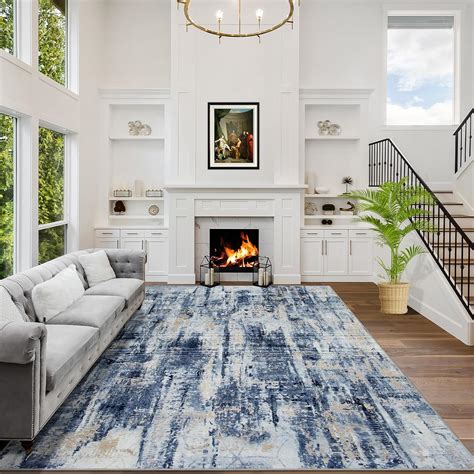
One of the most common design mistakes in American homes is selecting a floor covering that is too small for the room. In standard suburban living rooms, an 8×10 or 9×12 area rug is typically required to allow the front legs of all major seating pieces to rest comfortably on the surface. This layout visually anchors the furniture group and creates an expansive, unified feeling.
Conversely, compact urban apartments demand more strategic sizing. In smaller footprints, a 5×8 rug often works best, provided that it sits entirely underneath a coffee table or extends just beneath the front edge of a modest sofa. When furniture floats completely off the rug, the space can inadvertently feel disjointed and smaller than it actually is. Measuring your exact room dimensions and mapping out furniture footprints with painter’s tape before purchasing prevents costly sizing missteps.
Bedroom and Dining Room Dimension Guidelines
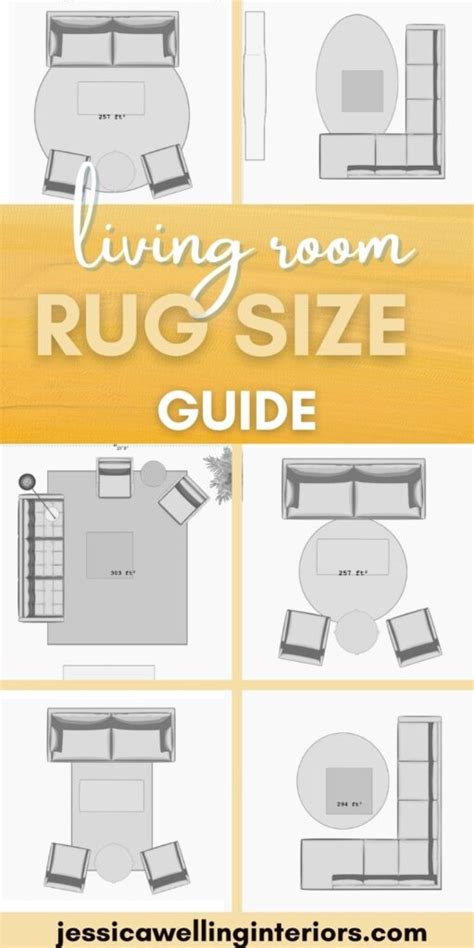
Bedrooms require a thoughtful approach to ensure your bare feet land on a soft surface every morning. For a queen-sized bed, an 8×10 rug positioned horizontally across the frame allows ample coverage on both sides and at the foot. Alternatively, placing two smaller runner rugs on either side of the bed offers a cozy, budget-friendly substitute.
For dining areas, ensure the rug extends at least 24 to 30 inches beyond the edges of the dining table. This extra clearance ensures that chair legs stay securely on the fabric even when guests pull out their chairs to sit down, preventing frustrating snags and uneven flooring transitions.
Exploring Popular Rug Styles for Modern American Interiors
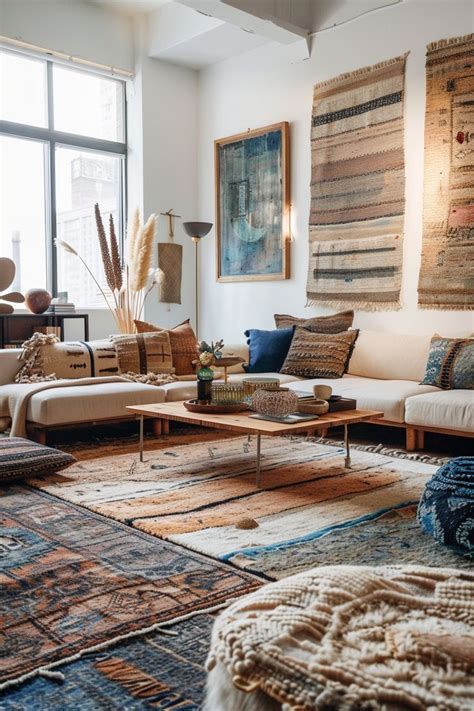
Interior design across the United States embraces a wonderful variety of aesthetic movements, from coastal contemporary to rustic farmhouse and urban industrial. Selecting a style that complements your existing furniture helps tie the room together without requiring a complete overhaul of your decor. Transitional styles remain a perennial favorite for American households because they blend traditional motifs with clean, contemporary color palettes, making them adaptable to changing design trends.
Boho and eclectic styles bring warmth and personality through rich textures, geometric patterns, and distressed finishes. These designs excel in rental apartments with neutral beige carpet or standard hardwood flooring, instantly injecting character without permanent modifications. On the other hand, modern minimalist rugs rely on subtle lines, solid neutral tones, or abstract organic shapes to establish a calm, uncluttered foundation in contemporary urban dwellings.
Balancing Materials: Durability Versus Comfort
Material selection determines both the lifespan of your floor covering and the daily maintenance it requires. Natural fibers like wool, jute, sisal, and cotton offer organic beauty and exceptional breathability. Wool stands out as a resilient, naturally stain-resistant choice for high-traffic living rooms, though it requires regular vacuuming to manage initial shedding.
Synthetic options such as polypropylene, nylon, and polyester provide budget-friendly durability and superior stain resistance, making them ideal for households with children or pets. While jute and sisal add gorgeous texture, they can feel rough underfoot and are sensitive to moisture, making them better suited for dry living areas rather than entryways or damp spaces.
Renter-Friendly Styling and Layering Techniques
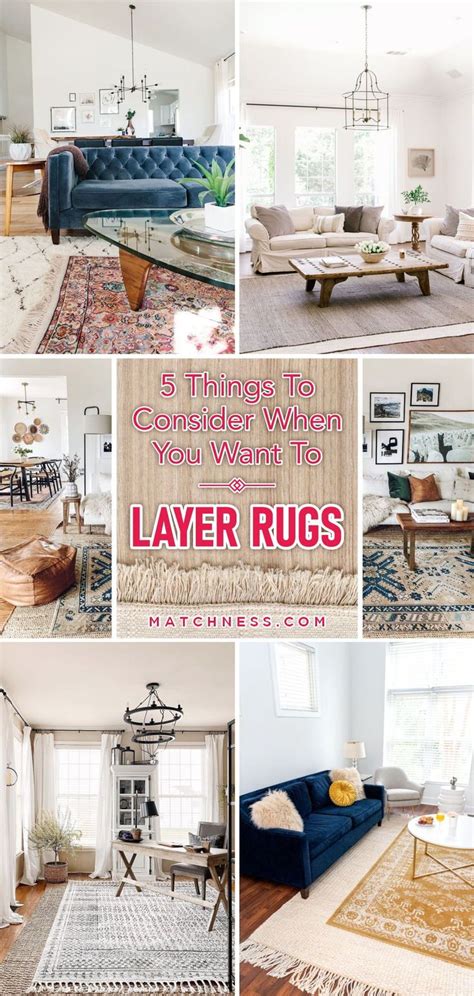
Apartment renters often face restrictions regarding permanent flooring changes, making area rugs essential tools for personalization. You can easily warm up cold rental tile or cover worn wall-to-wall carpeting by anchoring your living area with a large, neutral base rug. To add visual depth and a trendy touch, layer a smaller, textured vintage or faux-hide rug directly on top.
Layering not only introduces rich tactile contrast but also allows you to experiment with bold patterns or seasonal colors without committing to a massive investment. When placing rugs in rental units, always use a quality non-slip rug pad underneath. This protects the underlying flooring, prevents shifting, and adds a luxurious cushioning effect that enhances everyday comfort.
Frequently Asked Questions
What size rug do I need for a standard U.S. apartment living room?
For most standard apartment living rooms, an 8×10 foot area rug is the ideal choice because it allows the front legs of your sofa and armchairs to rest on it. If you have a particularly compact studio or small sitting area, a 5×8 foot rug can work well if positioned underneath the coffee table and the front edge of the seating.
How do I choose between natural fibers and synthetic materials?
Choose natural fibers like wool for premium softness, durability, and natural stain resistance in low-to-moderate traffic zones. Opt for synthetic materials like polypropylene or nylon if you need high stain resistance, easy cleaning, and affordability in high-traffic family rooms or homes with pets and children.
What are the best rug styles for rental apartments with neutral flooring?
Transitional, boho, and modern geometric rugs work wonderfully in rental apartments. They introduce rich color, pattern, and personality to neutral or dated builder-grade flooring without making any permanent alterations to the space.
How can I properly position furniture on a rug?
The golden rule for standard living spaces is to have at least the front legs of all major seating furniture resting on the rug. In larger rooms, you can place all four legs of every furniture piece entirely on the rug for a luxurious, cohesive layout.
Are there easy ways to clean and maintain different rug textures?
Regular vacuuming without the beater bar is essential for most looped and high-pile rugs to prevent fiber damage. For natural jute or sisal, spot clean gently with a dry cloth and mild detergent, avoiding excess water, while synthetic rugs typically handle mild carpet shampoos and spot cleaners much more easily.