Embarking on a family camping trip across the diverse landscapes of the United States offers an unmatched way to connect with nature, from the rugged coastlines of Maine to the sprawling pine forests of Oregon. However, upgrading from a standard dome tent to a multi-room tent can completely transform your outdoor experience. When you are managing gear, sleeping schedules, and unpredictable weather with multiple family members, having designated zones for sleeping, changing, and relaxing makes outdoor living remarkably comfortable.
Choosing the right shelter requires evaluating several critical factors, including floor dimensions, pole durability, and the specific layout configurations that suit your household dynamics. Understanding these details helps ensure that your investment performs reliably whether you are reserving a developed site at a national park or pitching your temporary home in the backyard for a weekend of stargazing.
Why Invest in a Multi-Room Tent?
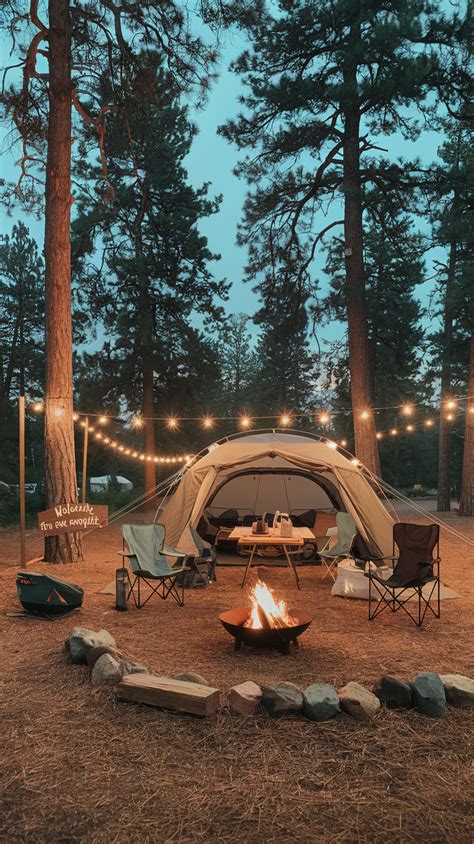
For families who camp more than once or twice a year, space management quickly becomes a top priority. A multi-room tent solves the classic camping dilemma of tripping over boots, damp jackets, and air mattresses by dividing the interior footprint into distinct functional zones. This separation allows parents to have a semblance of privacy while keeping younger children safely enclosed in an adjoining compartment, all under a single waterproof roof.
Beyond sleeping arrangements, these larger structures often feature screened porches or vestibules that serve as mudrooms. This extra transitional space prevents dirt and sand from tracking directly into your sleeping quarters. When unexpected afternoon thunderstorms roll across U.S. campgrounds, having a spacious communal area where the whole family can sit comfortably, play cards, or wait out the rain prevents cabin fever from derailing your trip.
Evaluating Layouts: Dividers Versus Cabin Separations
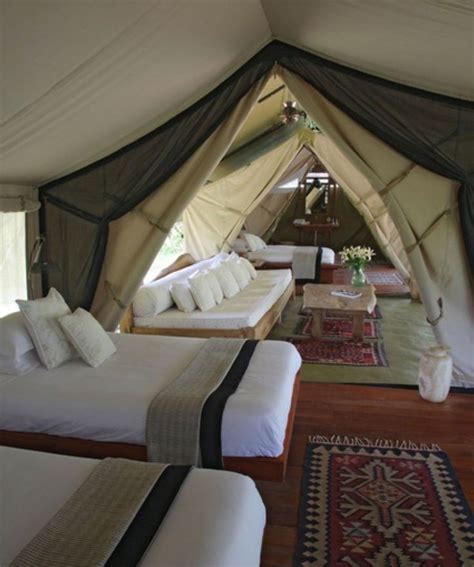
When shopping for a multi-room design, you will generally encounter two main architectural styles: tents with removable fabric dividers and multi-cabin structures with permanent interior walls. Fabric divider models offer flexibility, allowing you to roll back the partition during the day to create a massive open-plan living space and zip it closed at night for privacy. This configuration is exceptionally popular for families who want versatility.
On the other hand, multi-cabin setups feature more rigid structural walls and often include separate zippered exterior doors for each room. This layout works wonderfully if older teenagers or extended family members are joining you, as everyone can enter and exit their designated area without disturbing others. When reviewing these options, consider how your family naturally moves through space and whether you prefer an open, airy feel or distinct private quarters.
Weather Resistance Across Diverse U.S. Climates
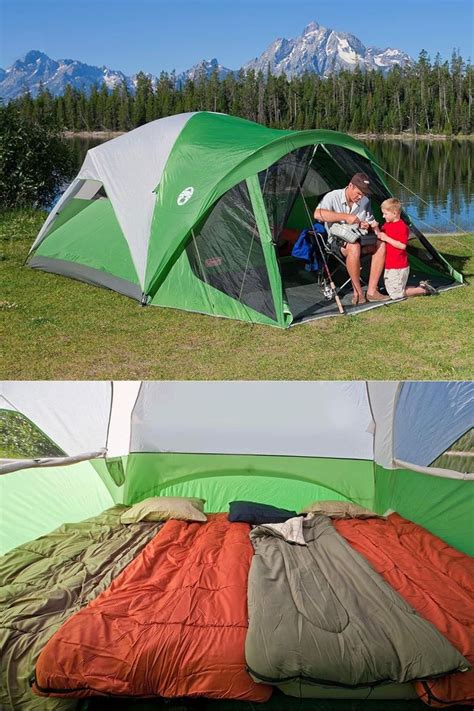
Camping conditions in the United States vary dramatically, ranging from the humid, sudden downpours of the Southeast to the windy plateaus of the Midwest and the dry heat of the Southwest. Multi-room tents have a larger surface area than traditional dome tents, making proper wind resistance and rain protection paramount. Look for models featuring full-coverage rainflies, factory-sealed seams, and robust pole systems made from steel or high-grade aluminum rather than basic fiberglass.
Ventilation is equally crucial for managing condensation during humid summer nights. Multi-room tents should feature mesh ceilings, large windows with zippered storm flaps, and ground-level vents that promote cross-ventilation. Adequate airflow prevents morning condensation from soaking your gear, ensuring a dry and pleasant environment regardless of how humid the surrounding campground air becomes.
Sizing Realities and Campsite Compatibility

Manufacturers often market tents based on maximum sleeping capacity, assuming every square foot is occupied by a sleeping pad placed shoulder-to-shoulder. To maintain comfort and accommodate bulky gear bags, down-size your family count relative to the rating. For example, a family of four will find a six-person multi-room tent far more livable, leaving ample floor space for cots, duffels, and a small table if needed.
You must also consider the practical dimensions of U.S. state and national park campsites. Many developed campgrounds have designated tent pads with specific boundary limits, often measuring around 10×10 or 12×12 feet. An oversized cabin tent might exceed these boundaries, making it difficult to stake out properly or position securely on gravel or wooden platforms. Always check average pad dimensions for your favorite regional parks before purchasing a sprawling multi-room model.
Setup Ease and Packability Considerations
Larger tents inherently require more time and coordination to assemble. Before packing your car, practice setting up your multi-room shelter in the backyard to familiarize yourself with the color-coded pole sleeves, hub systems, and stake requirements. Many modern family tents utilize instant-frame designs with pre-attached telescoping poles, allowing two adults to pitch a massive multi-room structure in under ten minutes.
Keep in mind that robust multi-room tents are heavier and pack down into larger duffels than backpacking shelters. Ensure your vehicle has adequate trunk or roof-rack capacity after loading coolers, sleeping bags, camp chairs, and kitchen gear. A well-organized storage bag with clear compression straps will save you valuable time when packing up camp on departure morning.
Frequently Asked Questions
What is a multi-room tent and who is it best for?
A multi-room tent is a large camping shelter divided into separate interior spaces using fabric partitions or structural walls. It is best suited for families, groups, or anyone who values privacy, organized gear storage, and extra headroom during extended camping trips.
How many square footage does a family of four need?
For a family of four, look for a tent with a minimum floor area of 100 to 150 square feet, typically marketed as a 6-person tent. This allows enough room for sleeping pads, personal bags, and moving around comfortably without feeling cramped.
Do multi-room tents withstand heavy rain and wind?
Yes, provided you choose a model with a durable frame (such as steel poles), a full-coverage rainfly, and taped seams. Because multi-room tents have a larger profile, proper guy-line staking is essential to keep them stable in strong winds.
Are multi-room tents difficult to set up alone?
Due to their size and weight, most multi-room tents are best set up by two adults. However, many modern designs feature instant-frame or hub mechanisms that simplify the process significantly compared to traditional pole-threading methods.