A leather sofa acts as an unmistakable anchor in any living space, offering an exceptional blend of enduring durability and sophisticated appeal. However, styling this iconic furniture piece can sometimes feel intimidating. Without the right surrounding elements, a leather couch risks looking cold, overly stark, or out of place in a comfortable home. The secret to transforming your living room into a warm, chic retreat lies in thoughtful contrast, strategic texture layering, and an understanding of how light interacts with different leather finishes.
Whether you are designing a compact urban apartment or a spacious suburban family room, approaching your leather couch as a canvas allows you to build a cohesive environment. By blending soft textiles, organic woods, and complementary color schemes, you can create a space that feels both polished and deeply welcoming. The following design strategies will help you master the art of styling a leather sofa, ensuring it serves as the inviting heart of your home.
Warming Up Your Space: Texture Layering Techniques
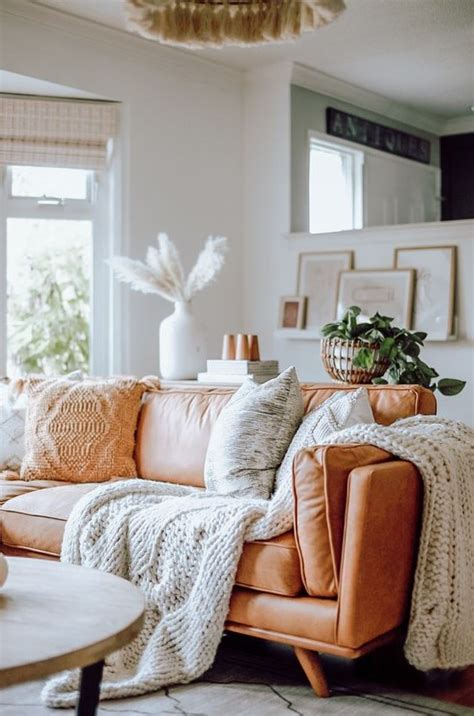
Because leather has a sleek, smooth, and sometimes reflective surface, it relies heavily on surrounding textiles to prevent a room from feeling sterile. Introducing tactile contrast is the most effective way to soften the visual weight of a leather couch. Think of your sofa as the smooth foundation upon which you can layer soft, tactile elements that invite touch and create immediate visual depth.

Start by incorporating varied fabrics through throw pillows and blankets. Combine heavy-knit wools, chunky bouclé, and soft linen to break up the uniform sheen of the leather hide. If your sofa is a rich cognac or dark brown, cream and oatmeal-colored textiles introduce a refreshing brightness. For a more dramatic, moody aesthetic, consider deep forest green or burnt orange velvet pillows that catch the natural light and add an extra layer of tactile richness.
Beyond soft goods, consider the hard surfaces surrounding your seating area. Pairing a leather sofa with natural wood coffee tables, woven jute rugs, or raw travertine side tables infuses organic warmth into the room. These natural materials balance the manufactured refinement of treated leather, grounding the entire seating arrangement in a balanced, earthy atmosphere.
Choosing Complementary Color Palettes for Different Leather Tones
The shade of your leather sofa dictates the mood of your entire living room. Cognac and camel leather tones radiate a warm, mid-century modern or bohemian vibe, pairing effortlessly with terracotta, sage green, and creamy off-white walls. This warm spectrum makes a room feel instantly cozy and grounded, especially when paired with brushed brass accents and vintage-inspired decor elements.
Conversely, dark espresso or black leather sofas lean toward an industrial, tailored, or contemporary aesthetic. To keep these darker shades from visually shrinking a small room, balance them with light-colored walls, large-scale mirrors that amplify natural sunlight, and airy sheer window treatments. Introduce accent colors through botanical prints, ceramic decor items, or muted blue pottery to keep the palette dynamic and prevent the space from feeling heavy.
Renters working with neutral wall paint can easily alter the room’s overarching color palette through interchangeable accessories. Large area rugs, oversized wall art, and statement floor lamps allow you to shift the aesthetic tone of your living room without requiring permanent architectural updates or repainting landlord-approved walls.
Spatial Layout Strategies for Small Apartments and Spacious Rooms
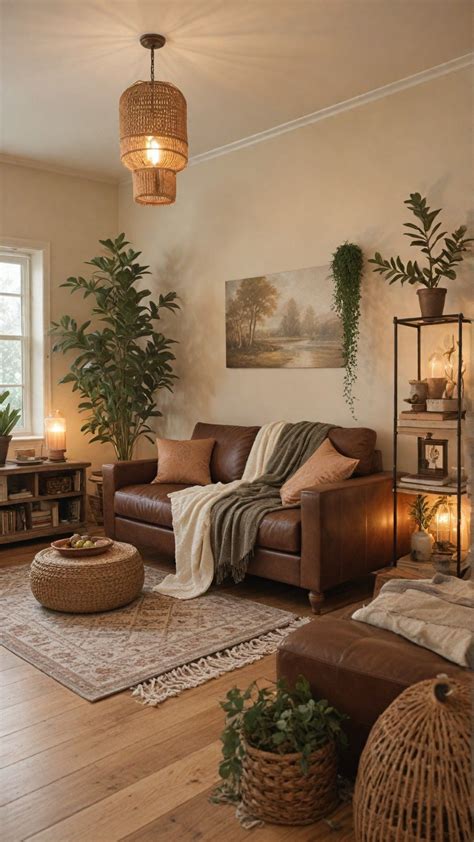
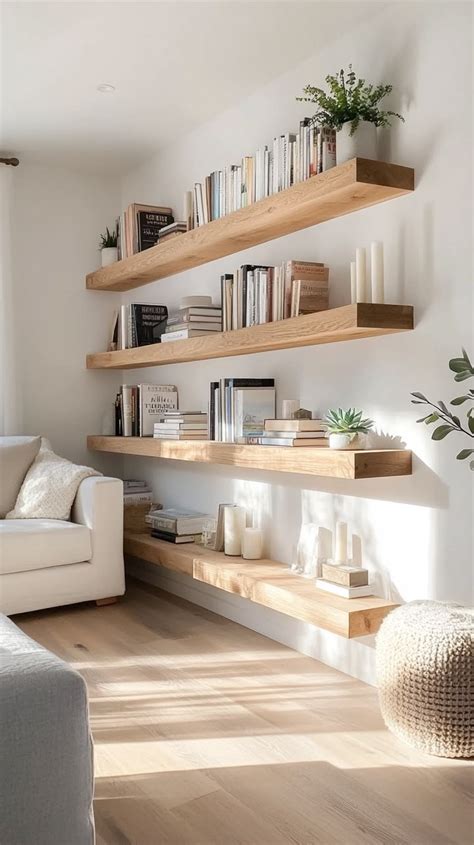
Maximizing the visual impact of a leather sofa depends heavily on room layout and scale. In compact urban apartments, placing a streamlined, two-seater leather couch against the longest wall opens up central floor space. Avoid heavy, bulky side tables; instead, opt for floating shelves or slim metal-framed nesting tables that maintain an open, airy sightline across the room.
In larger, open-concept living rooms, a leather sofa can serve as a natural room divider. Floating the sofa in the center of the room with its back facing an entryway or dining area instantly defines the living zone. Anchor this arrangement with an oversized area rug that extends at least a few inches underneath the front legs of the sofa, tying all surrounding armchairs and media consoles into a unified conversation pit.
Lighting also plays a critical role in spatial perception. Position floor lamps or directional wall sconces so that light washes across the textured grain of the leather, highlighting its natural patina and preventing shadowy corners from making the room feel confined.
Balancing Real and Faux Leather Maintenance with Everyday Living
When incorporating a leather sofa into a busy household, practical maintenance considerations are just as important as aesthetic choices. Genuine top-grain leather offers incredible longevity, developing a beautiful, soft patina over time that tells a visual story. However, it requires routine conditioning to prevent drying and cracking, particularly in homes with dry climates or intense direct sunlight.
For households with pets or young children, performance faux leather or heavily treated semi-aniline leather provides a resilient, stain-resistant alternative that withstands daily wear and tear much easier. Regardless of the material you choose, incorporating washable slipcovers on accent pillows or draping a durable cotton throw over high-traffic seating areas protects the upholstery while adding an intentional, relaxed layer of comfort to your design scheme.
Frequently Asked Questions
How do I style a leather sofa so the living room doesn’t feel cold?
To prevent a leather sofa from feeling cold, you must introduce contrasting textures. Layer chunky knit blankets, linen cushions, and velvet pillows across the seating area. Pairing the sofa with organic elements like a jute rug, a warm wooden coffee table, and soft ambient lighting will instantly warm up the atmosphere.
What colors go best with a cognac or brown leather sofa?
Cognac and brown leather sofas look exceptional paired with warm, earthy tones such as olive green, terracotta, mustard yellow, and creamy off-whites. For metals, brushed brass and matte black hardware complement brown leather beautifully, enhancing its natural warmth.
How can renters style a leather sofa in a temporary space?
Renters can elevate a leather sofa without permanent changes by focusing on removable decor elements. Use large statement area rugs to define the seating zone, hang oversized artwork on the walls to draw the eye upward, and use versatile throw pillows and lighting fixtures to set the desired mood.
What types of coffee tables pair best with leather furniture?
Natural wood coffee tables with visible grain, rustic stone surfaces like travertine, or tables featuring mixed materials such as iron and reclaimed timber pair wonderfully with leather furniture, adding essential organic texture to balance the sleek upholstery.