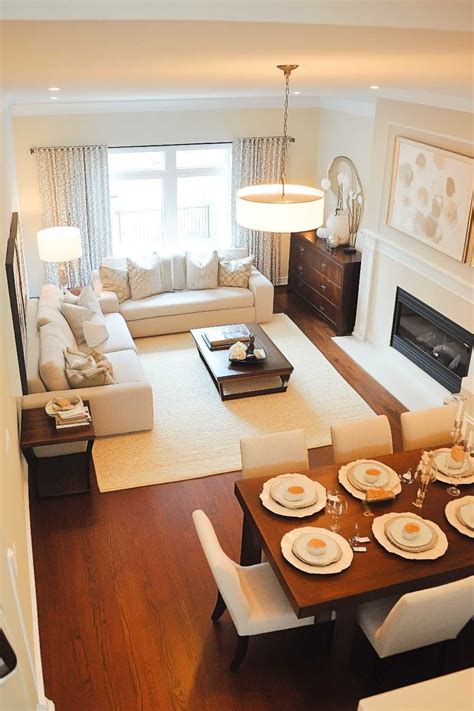
The living room often serves as the anchor of an American household—a multifunctional space where families gather to unwind, guests are welcomed, and daily life unfolds. Because this room carries such heavy traffic, refreshing it requires a thoughtful balance between aesthetic appeal and everyday durability. Whether you reside in a compact urban apartment, a sprawling suburban ranch, or a historic city loft, finding a cohesive design direction can feel overwhelming when faced with countless online trends and product options.
Approaching a room refresh does not necessarily demand a complete structural overhaul or an unlimited budget. Often, meaningful transformation stems from strategic edits, intentional furniture placement, and layered textures that bring warmth to standard room layouts. By understanding how different architectural styles, color stories, and functional layouts interact within typical American floor plans, you can curate a personalized environment that looks intentional and withstands the realities of daily living.
Adapting Modern Minimalist Concepts for Everyday U.S. Living
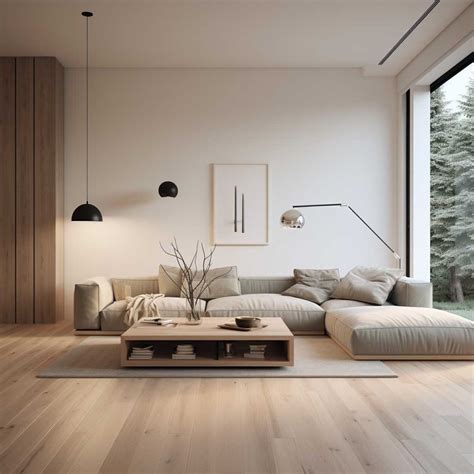
Modern minimalism often brings to mind stark, unlivable spaces, but contemporary interior design has evolved to embrace warmth and comfort. In modern living room design, the focus shifts toward clean architectural lines, clutter-free surfaces, and high-quality foundational furniture pieces. Rather than stripping a room of all personality, this approach highlights curated focal points—such as a sculptural coffee table or a streamlined sectional sofa—allowing the architecture of the room to breathe while maintaining an inviting atmosphere.
When implementing minimalist concepts in busy households with children or pets, practicality must guide your material selections. Opt for performance fabrics that resist stains and heavy-duty wooden surfaces finished with durable sealants rather than delicate high-gloss lacquers. The trade-off for a clean look is maintaining everyday tidiness, so incorporating hidden storage solutions like media consoles with closed cabinets or storage ottomans helps conceal everyday clutter without sacrificing style.
Embracing Cozy Farmhouse and Transitional Aesthetics
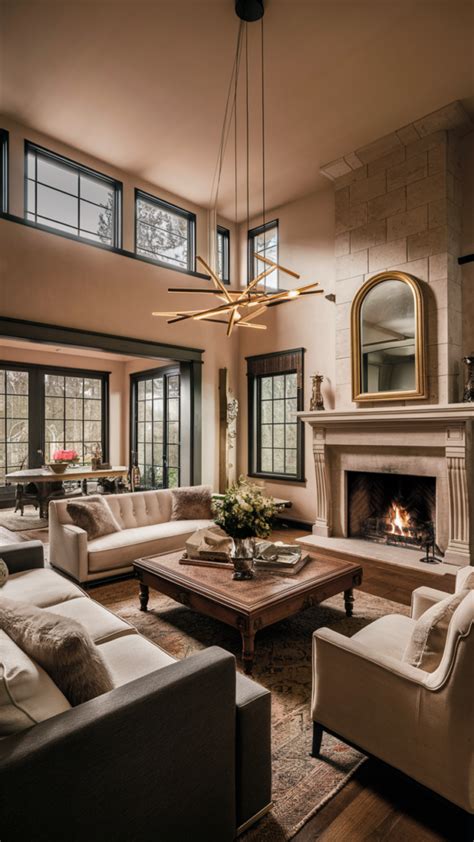
For those drawn to warmth, nostalgia, and relaxed hospitality, the modern farmhouse and transitional aesthetics remain exceptionally popular across American homes. This design direction combines rustic wood elements, vintage-inspired fixtures, and neutral backdrops with comfortable, deep-seated upholstery. It creates an inherently welcoming environment that encourages people to sit down, relax, and stay awhile without worrying about messing up a pristine decorative arrangement.
To keep a rustic or farmhouse living room from feeling dated or overly themed, ground the space with contemporary elements. Pair a reclaimed wood coffee table with sleek metal-framed accent chairs or minimalist table lamps. This intentional mixing of eras prevents the room from slipping into a dated rustic cliché, ensuring the space feels fresh, balanced, and sophisticated enough for modern residential living.
Maximizing Space in Compact Urban and Suburban Apartments
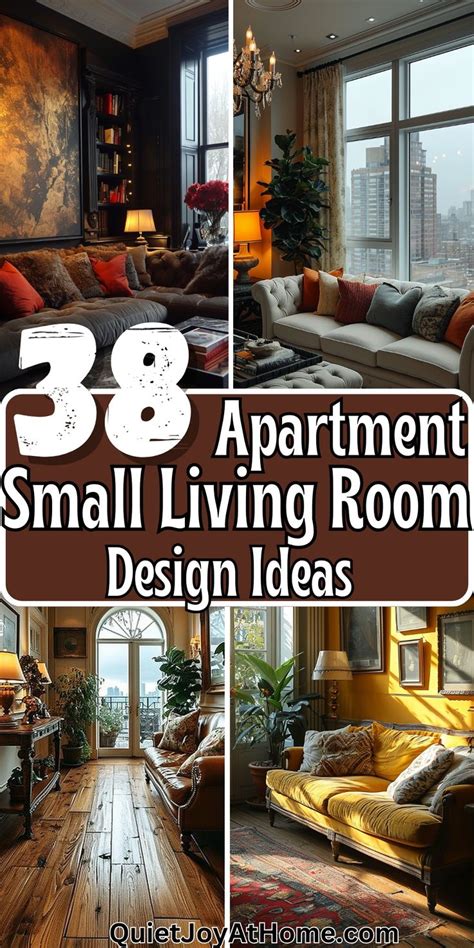
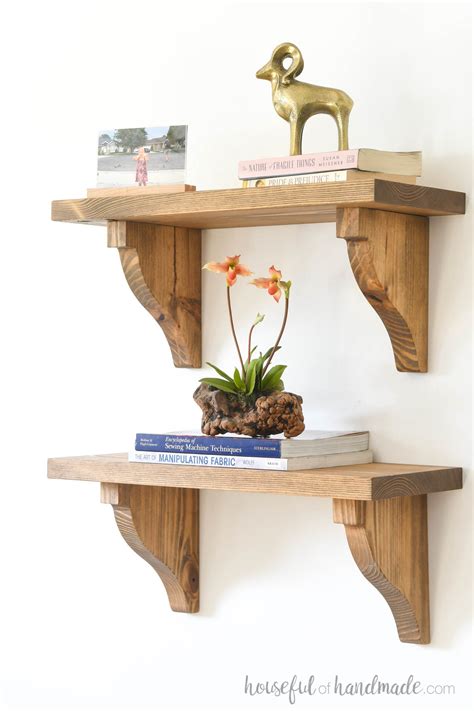
Many American homes feature compact living rooms where every square inch counts, requiring clever spatial planning and multifunctional furniture. In smaller footprints, the primary goal is maintaining clear traffic pathways while maximizing seating and storage. Floating furniture away from walls slightly can actually make a narrow room feel wider, while utilizing vertical space with wall-mounted shelving draws the eye upward and reduces floor clutter.
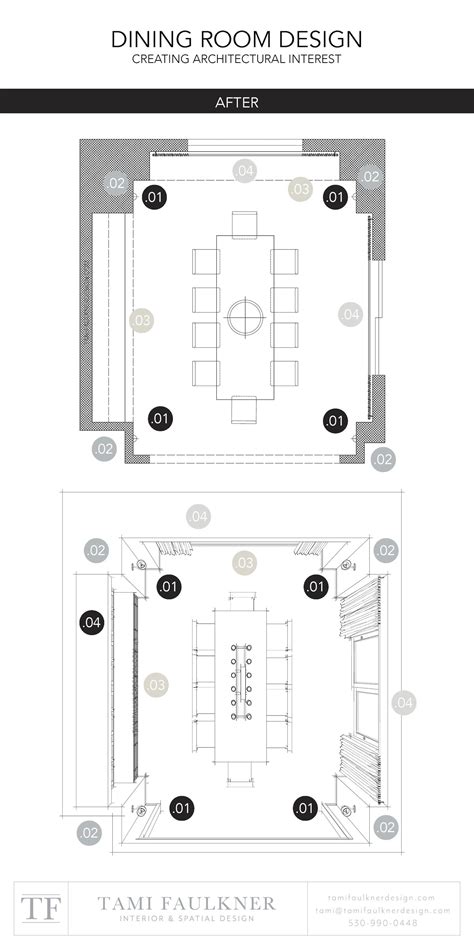
Scale is the single most critical factor when furnishing a compact living room. Avoid oversized sectional sofas that overwhelm the floor plan in favor of a standard sofa paired with lightweight, mobile armchairs. Multi-use pieces, such as nesting coffee tables or sleeper sofas for overnight guests, provide exceptional versatility for apartment renters and homeowners who need their square footage to work double duty.
Layering Color Palettes, Lighting, and Textures
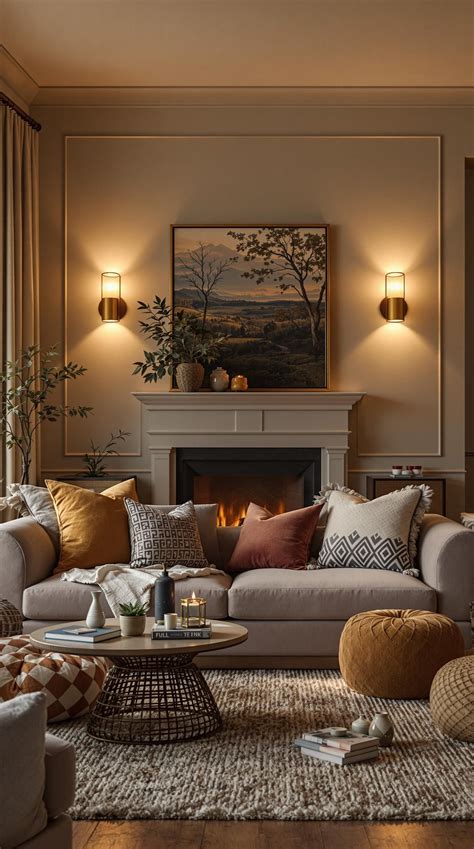
A successful living room relies heavily on how color, light, and texture interact to create depth. Relying solely on overhead lighting can make a room feel flat and clinical. Instead, designers recommend a layered lighting strategy that combines ambient fixtures, task lighting like reading lamps, and accent lighting to highlight architectural details or artwork, establishing a warm glow after sundown.
When building a color palette, anchor the room with versatile neutrals on large investment pieces like sofas and wall paint, then introduce personality through seasonal accents like throw pillows, area rugs, and art. Texture plays an equally vital role in keeping neutral spaces dynamic; combining smooth leather, chunky knit blankets, woven jute rugs, and ceramic decor ensures the room feels tactile, rich, and visually engaging.
Frequently Asked Questions
How can I refresh my living room without a complete remodel?
You can dramatically change the feel of your living room through minor, high-impact updates such as swapping out throw pillows and rugs, hanging new artwork, updating lighting fixtures, or rearranging your existing furniture layout to improve traffic flow.
What are the key differences between modern minimalist and transitional living room styles?
Modern minimalism focuses on clean lines, stark simplicity, and a restrained color palette with concealed storage. Transitional style bridges traditional and modern design by blending classic comfortable upholstery with cleaner, contemporary wood or metal accents for a balanced look.
How do I choose the right scale of furniture for a small living room?
Measure your room carefully and map out pathways before purchasing furniture. Choose apartment-sized sofas, leggy armchairs that allow light to pass underneath to create an illusion of space, and avoid blocking natural light sources with oversized pieces.
What is the best way to mix different textures in a neutral living room?
Combine contrasting tactile elements such as smooth wood, rough woven textiles, metallic accents, and soft fabrics like velvet or linen. This keeps a neutral color scheme from feeling boring by adding visual and physical depth to the space.