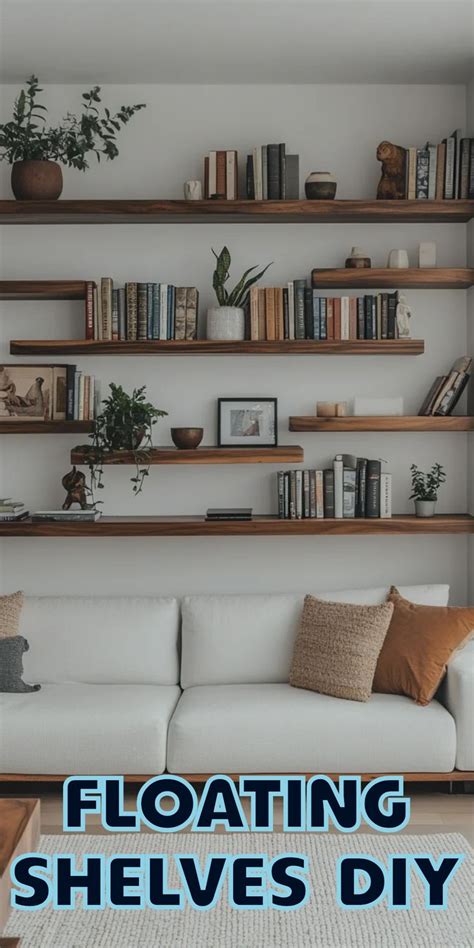
Creating a dedicated home library inside an apartment living room often feels like an impossible interior design puzzle. Limited square footage, strict lease agreements, and standard drywall construction mean you cannot simply anchor massive floor-to-ceiling wooden built-ins without careful planning. However, with the right DIY library shelving layout, you can completely transform a blank living room wall into a warm, character-rich literary retreat. The secret lies in balancing structural safety with modular design, choosing materials that fit your budget, and executing an installation plan that leaves minimal impact when it is time to move.
Successful apartment library design requires a shift away from traditional, bulky cabinetry toward adaptable vertical solutions. By evaluating your room architecture, understanding weight distribution on apartment walls, and styling your collection intentionally, you can achieve the sophisticated look of custom millwork on a modest DIY budget. This guide breaks down the essential layout strategies, material choices, and renter-friendly mounting techniques needed to build a functional library wall in any rental or compact home.
Assessing Your Apartment Living Room Space and Wall Capacity

Before purchasing lumber, brackets, or decorative trim, you must carefully evaluate the physical dimensions and structural limitations of your apartment living room. Walk around the space and identify the primary wall candidate. Ideally, this should be a wall free from major electrical outlets, thermostat controls, or heating baseboards that could interrupt your shelving span. Measure the vertical height from baseboard to ceiling, noting any crown molding or architectural quirks that might alter your layout.
Next, determine the construction type of your apartment walls. Most modern apartments feature wooden or metal studs spaced sixteen or twenty-four inches apart behind standard drywall, while older urban buildings may feature lath and plaster or masonry surfaces. Locating these structural supports is critical because books are deceptively heavy. A standard ten-foot shelf packed with hardcover volumes can easily weigh over one hundred pounds, meaning drywall anchors alone are rarely sufficient for heavy library loads.
Renter-Friendly and Damage-Free Shelving Installation Methods
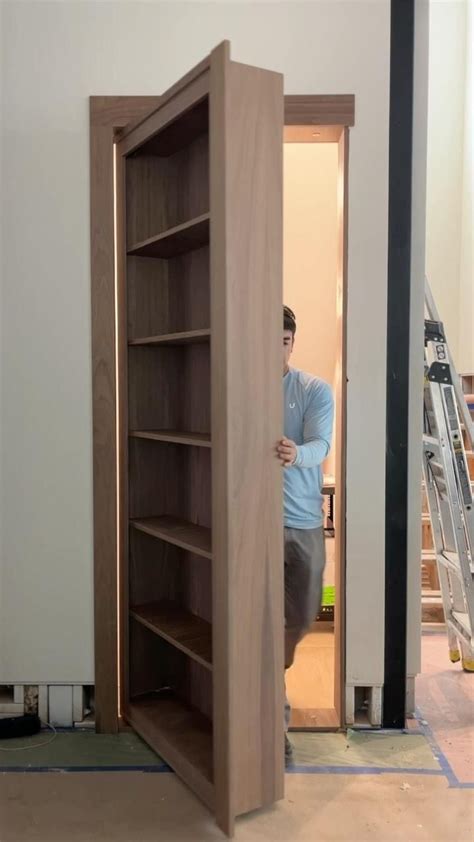
For renters, the fear of losing a security deposit often discourages ambitious DIY projects. Fortunately, modern hardware and clever structural framing make it entirely possible to build substantial library walls without turning your walls into Swiss cheese. One of the most effective renter-friendly approaches involves using tension-secured vertical standards or modular freestanding ladder frames that lean against the wall while transferring the downward weight load directly to the floor.
If your lease permits standard wall anchoring provided you patch holes upon departure, minimize your footprint by using heavy-duty wall tracks screwed directly into studs. These vertical tracks allow you to hang multiple shelves from just a few anchor points per track, drastically reducing the number of holes you will need to fill later. Always check your lease agreement and consult your landlord if you plan to install semi-permanent bracing, framing the project as an upgrade that enhances the apartment’s overall storage utility.
Smart Layout Designs for Awkward Corners and Small Walls
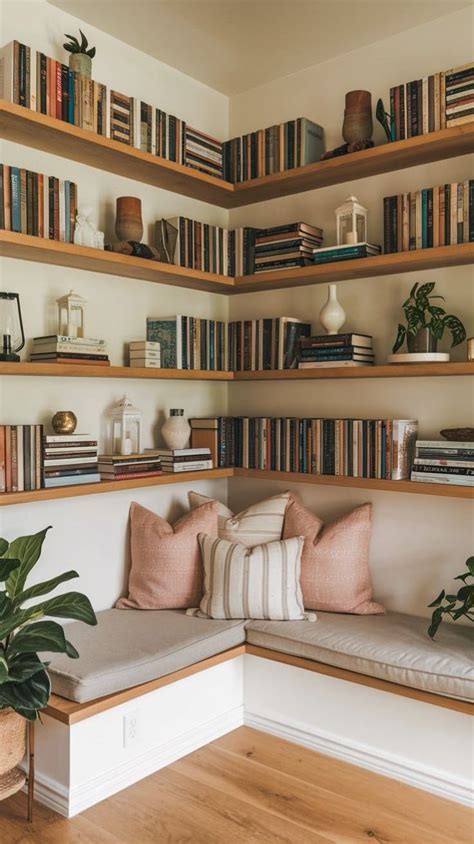
Apartment living rooms frequently feature awkward architectural elements such as protruding structural pillars, diagonal walls, or tight alcoves flanking a television. Rather than treating these irregularities as obstacles, you can leverage them to create custom-tailored library layouts. For instance, wrapping floating shelves around an inside corner creates a seamless wrap-around reading nook that maximizes otherwise dead space.
When working with a narrow wall space between two doors or windows, vertical stacking is your best strategy. Instead of installing one massive shelving unit, break the wall down into visual zones. You might place a low-profile media console or bench at the base, leaving open wall space in the middle for art, and mounting three or four uniform library shelves near the top. This prevents the room from feeling top-heavy and maintains an open, breathable floor plan.
Selecting Budget-Friendly Materials and Hardware
Building a custom library wall does not require expensive hardwoods like walnut or white oak. For an affordable DIY project, select materials that offer both structural integrity and a clean aesthetic finish. Sustainably sourced pine boards, high-grade birch plywood, or pre-primed MDF boards are widely available at local home improvement centers and can easily be cut to custom dimensions.
When choosing hardware, prioritize function and finish coordination. Powder-coated steel brackets provide incredible load-bearing strength while adding an industrial or modern farmhouse edge to your living room. If you prefer a cleaner, minimalist aesthetic, consider concealed floating shelf brackets that slide directly into drilled channels within the back of the wood boards. Ensure that whatever support system you choose is rated explicitly for heavy book storage rather than lightweight decorative trinkets.
Styling and Organizing Your New Home Library
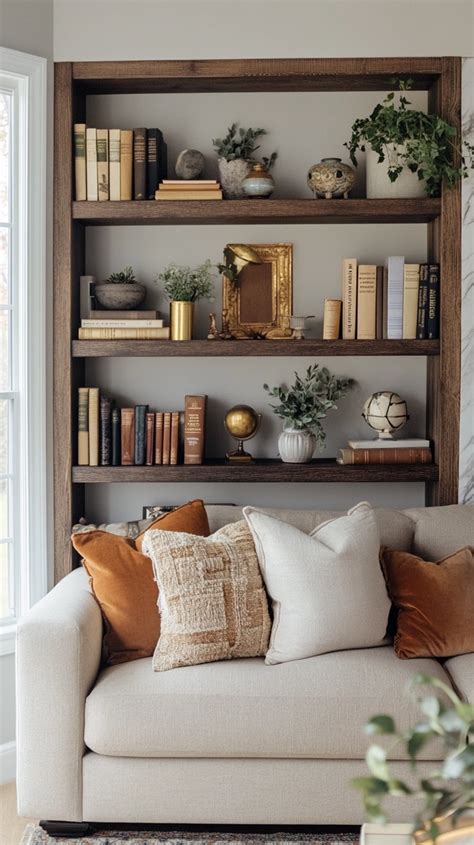
Once your shelving layout is securely installed, the final step involves arranging your book collection so it enhances your living room’s overall interior design. Avoid the temptation to jam shelves indiscriminately with books spine-out. Instead, mix vertical book stacks with horizontal piles to create varied visual rhythms and natural resting points for the eye.
Integrate decorative objects thoughtfully among your literary collection to break up the visual weight. Use ceramic vessels, framed family photographs, small trailing houseplants, or sculptural bookends to add texture and personality. Grouping books by color can create a striking graphic statement, while organizing them by genre or author offers practical accessibility for avid readers. Leave a small amount of breathing room on each shelf to ensure your new apartment library feels curated, calm, and inviting rather than cluttered.
Frequently Asked Questions
How can I install library shelves in an apartment without damaging walls?
You can utilize freestanding ladder-style shelving units that lean against the wall, tension-pole systems, or wall-mounted tracks that require minimal anchoring points. If you do use screw anchors, patching them with spackle and touch-up paint upon moving out is generally straightforward.
What are the best shelving layouts for small living rooms?
Vertical stacking around windows or doorways, corner wrap-around shelves, and asymmetrical floating layouts work best in small spaces because they draw the eye upward and utilize awkward wall pockets without consuming floor space.
How do I anchor heavy bookshelves safely in a rental?
Always locate wall studs using an electronic stud finder and drive your mounting screws directly into the wood framing or metal studs. If drywall anchoring is necessary, use heavy-duty toggle bolts rated for high weight capacities and consult your landlord for major installations.
What materials are best for budget-friendly DIY shelving?
Dimensional pine, birch plywood, and MDF are cost-effective, readily available, and easy to cut or paint. Pairing these affordable boards with sturdy steel brackets keeps total project costs low while ensuring long-term durability.