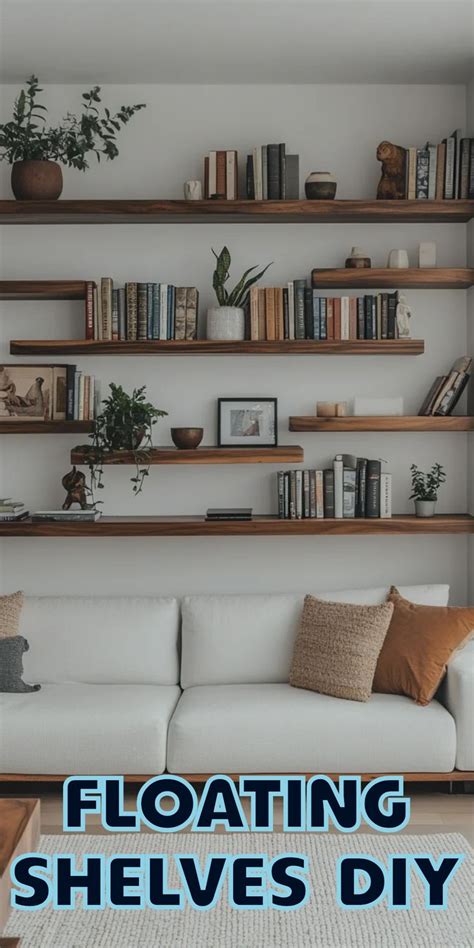
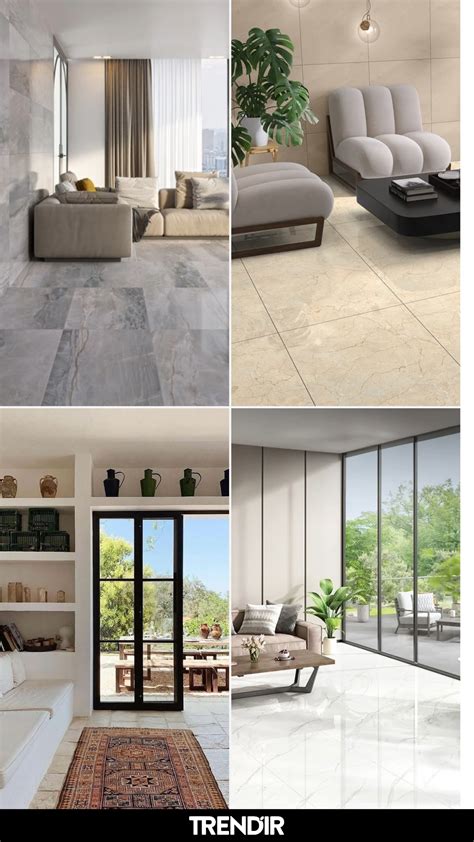
Designing a living room that successfully balances everyday comfort with striking visual appeal is one of the most rewarding challenges in home improvement. Across the United States, living spaces vary widely—from sprawling suburban open-concept ranches to compact urban apartments and historic colonial homes. When evaluating dozens of design concepts, the key is not merely copying a trend, but understanding how specific layouts, textures, and color palettes serve your household’s daily routines. This guide organizes core design directions to help you navigate aesthetic choices and create a welcoming environment.
Achieving a truly cozy atmosphere relies heavily on layering textiles, managing scale, and establishing clear functional zones. Whether you are working with a blank slate or updating a well-loved family room, taking a structured approach prevents common pitfalls such as mismatched furniture scale or poorly lit seating areas. By focusing on practical decision criteria, you can curate a space that feels deeply personal while remaining functional for relaxation and entertaining.
The Modern Farmhouse and Rustic Revival Aesthetic
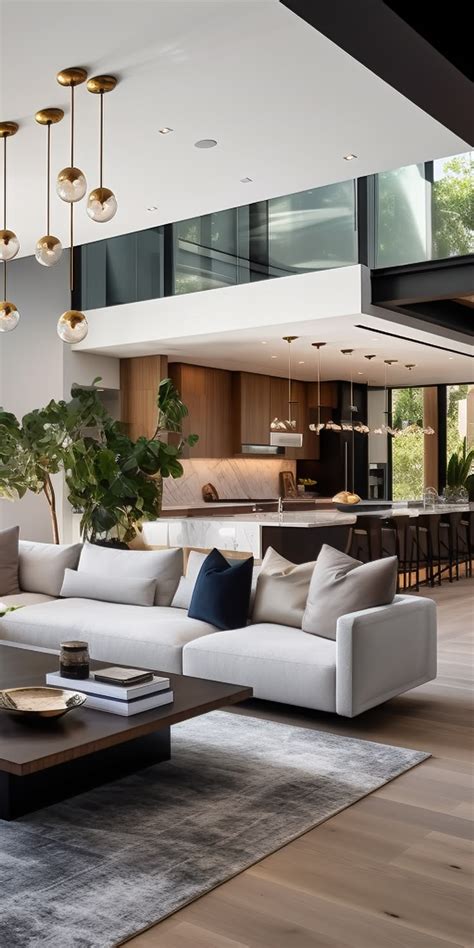
The modern farmhouse aesthetic remains a cornerstone of American interior design because it prioritizes tactile warmth, honesty of materials, and enduring comfort. This design direction relies on a foundation of neutral wall colors paired with rich wooden elements, such as reclaimed ceiling beams, distressed coffee tables, or open shelving. To keep the look fresh rather than theme-driven, balance rustic elements with clean-lined upholstery in durable fabrics like canvas, linen, or casual cotton duck.
When implementing a rustic-inspired living room in a suburban home, focus on textural contrast to prevent the space from feeling heavy. Pair smooth wrought-iron light fixtures with plush wool area rugs, and introduce organic greenery through potted fiddle-leaf figs or snake plants. This deliberate mix of rough and refined finishes creates visual depth, ensuring your main gathering space feels grounded, inviting, and effortlessly put together for family movie nights or weekend gatherings.
Refined Neutral and Minimalist Living Spaces
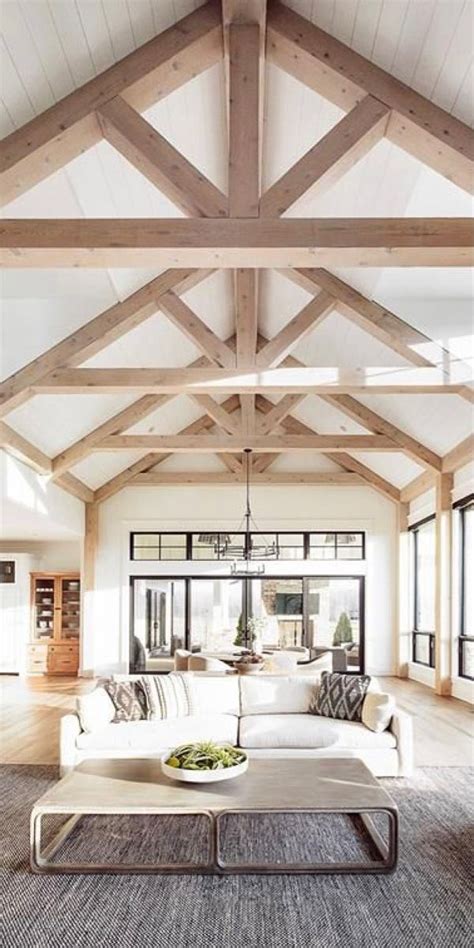
Minimalist and warm neutral living rooms offer a tranquil retreat from busy daily schedules, making them a popular choice for contemporary apartments and suburban houses alike. Rather than feeling sterile, a well-curated neutral space relies on varying shades of cream, beige, taupe, and soft gray to build a rich, layered environment. The secret to keeping a neutral palette engaging lies in mixing diverse materials, such as bouclé accent chairs, travertine side tables, and brushed brass hardware.
For homeowners and renters looking to adopt a restrained palette, lighting acts as a critical design tool. Because color is kept to a minimum, natural light, sheer window treatments, and warm ambient lamps dictate the mood of the room. Incorporating tactile elements like woven jute rugs, ceramic vases, and ribbed throw blankets ensures the minimalist framework remains deeply cozy and livable rather than cold or unapproachable.
Maximizing Comfort and Function in Small American Layouts
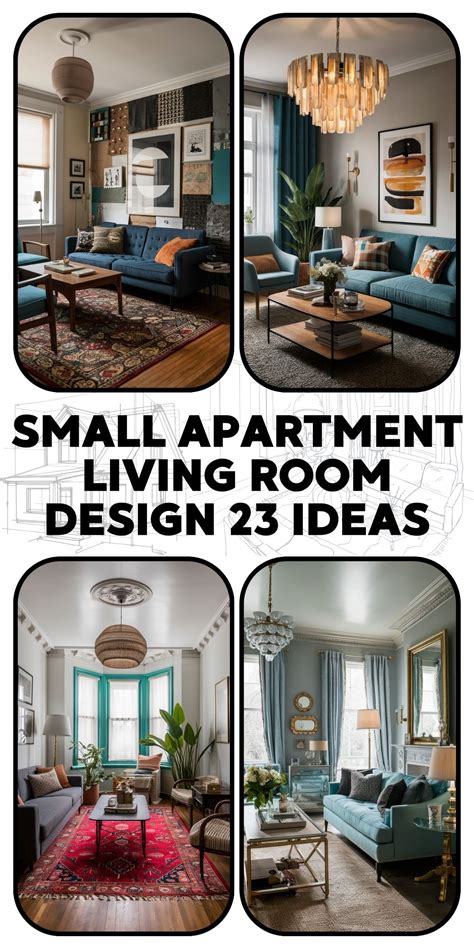
Compact living rooms present unique spatial challenges, particularly in urban apartments or older historic homes where square footage is at a premium. Success in small spaces starts with strategic furniture selection. Opt for apartment-sized sofas with exposed legs to create a greater sense of floor space, and replace bulky traditional coffee tables with nesting tables or upholstered ottomans that double as extra seating and hidden storage.
Another effective strategy for narrow or small living rooms is vertical styling. Drawing the eye upward with floor-to-ceiling drapery panels, tall bookcases, or gallery walls makes the room feel taller and more expansive. When arranging furniture, float seating slightly away from the walls rather than pushing every piece against the perimeter; this simple adjustment tricks the eye into perceiving the room as wider and more intentional.
Bold Color Palettes and Eclectic American Styling
For those who gravitate toward energetic spaces, embracing saturated color palettes and eclectic styling offers a way to inject personality into an American living room. Rich jewel tones like emerald green, navy blue, and burnt orange can transform a standard room into a sophisticated sanctuary. When working with bold hues, anchor the space with large neutral surfaces, such as a creamy wall color or a light oak floor, to balance the visual weight of statement furniture.
Eclectic design succeeds when there is a deliberate thread connecting disparate pieces, such as a shared color undertone or a consistent era of furniture design. Combine vintage mid-century modern armchairs with contemporary abstract art and globally inspired textiles. This curated approach ensures the room tells a story without descending into visual clutter, resulting in a vibrant, highly personalized interior.
Frequently Asked Questions
How can I make a large living room feel cozy?
Large living rooms often feel cavernous if furniture is pushed against the walls. To create intimacy, float your seating arrangements inward, use large area rugs to anchor conversation zones, and incorporate warm lighting at multiple heights using table lamps, floor lamps, and dimmable overhead fixtures.
What furniture arrangements work best for narrow living rooms?
In narrow spaces, avoid blocking natural walkways. Position a streamlined sofa against the longest wall, pair it with a pair of lightweight accent chairs, and use a rectangular or oval coffee table that leaves ample clearance on both sides for comfortable traffic flow.
How do I balance style and comfort in a family room?
Prioritize performance fabrics that resist stains and wear, such as heavily textured performance linens, chenille, or top-grain leather. Pair these durable, family-friendly foundational pieces with sophisticated accent pillows, sculptural lighting, and curated decor accessories that elevate the room’s aesthetic.
Are neutral living rooms difficult to maintain with kids and pets?
Not necessarily. While stark white cotton can be challenging, warm neutrals in darker taupes, oatmeal, or patterned tweeds naturally conceal minor wear. Additionally, choosing slipcovered sofas with machine-washable fabrics makes maintenance manageable for active households.