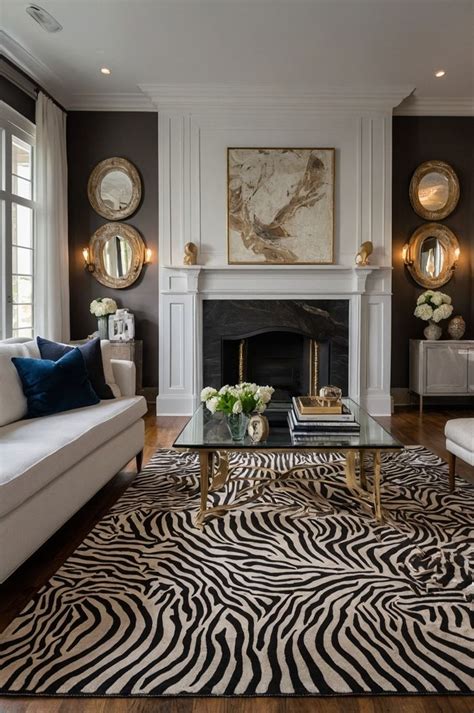
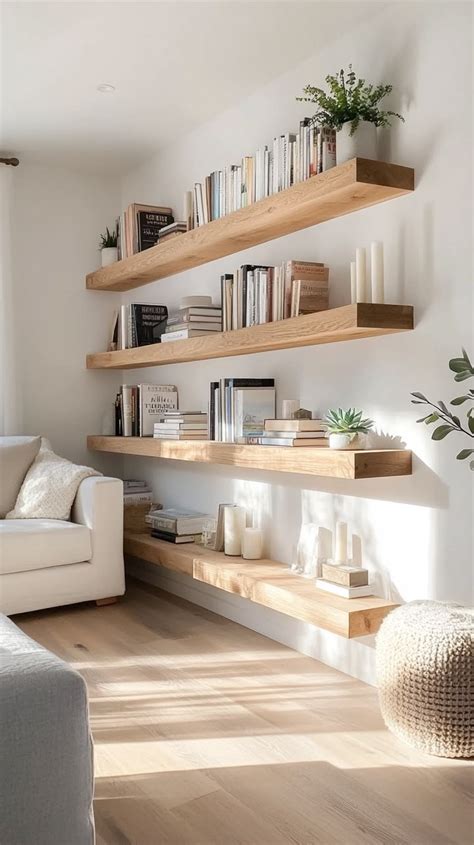
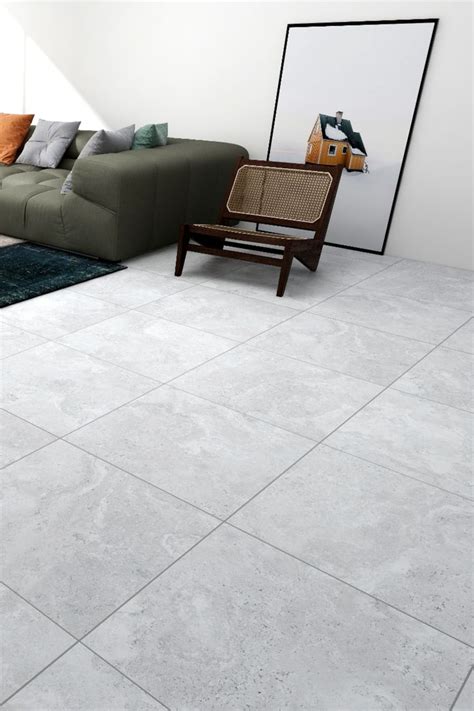
Designing a living room requires balancing aesthetic vision with the practical realities of your living situation. Whether you hold a long-term mortgage on a suburban colonial or sign an annual lease for an urban apartment, your main gathering space should feel intentional, comfortable, and reflective of your lifestyle. Across hundreds of potential design directions, the most successful spaces share a common thread: thoughtful spatial planning combined with layers of texture, light, and personal character.
Navigating this process becomes much easier when you categorize your design choices by what is physically and legally possible in your space. Homeowners often look toward permanent architectural interventions like built-in shelving, crown molding, or wall reconfiguration. Conversely, renters master the art of temporary transformation using peel-and-stick applications, floating furniture configurations, and strategic lighting. Understanding your boundaries helps you invest time and budget into updates that deliver maximum visual impact without unnecessary stress.
Renter-Friendly Upgrades That Require Zero Permanent Changes

Lease agreements across the United States often prohibit painting walls, driving heavy hardware into drywall, or swapping out permanent light fixtures. However, living in a rental does not mean you have to settle for sterile white walls and lackluster builder-grade finishes. Creative temporary solutions allow you to inject personality and warmth into your living room while ensuring your security deposit remains completely intact when moving day arrives.
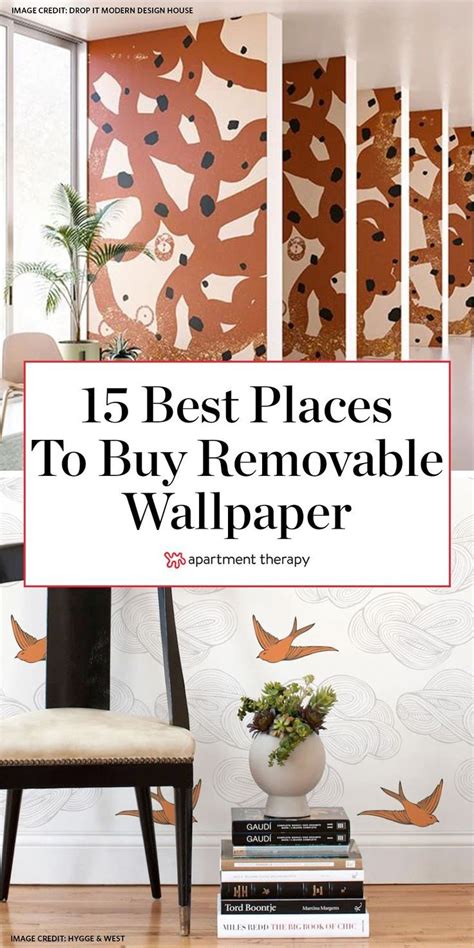
Instead of painting, consider large-scale removable wallpaper panels to create a dramatic accent wall behind your sofa or media console. Peel-and-stick technology has evolved significantly, offering high-end matte finishes, sophisticated botanical prints, and subtle textures that mimic grasscloth. For window treatments, utilize heavy-duty tension rods or damage-free adhesive brackets to hang floor-length linen drapes, which instantly elevate the perceived ceiling height and soften harsh window frames.
Mastering Temporary Lighting and Wall Art in Rentals
Lighting is often the most neglected element in rental living rooms, which typically rely on a single harsh overhead dome light. To combat this, lean into layered ambient and task lighting using plug-in wall sconces that mount with heavy-duty command strips or small picture hooks rather than hardwired electrical boxes. Pair these with sculptural floor lamps and table lamps placed on sideboards to create warm pools of illumination throughout the room.
Hanging artwork without drilling holes is entirely feasible when utilizing high-weight rated adhesive mounting strips or leaning oversized framed art directly against the wall on top of a console table or the floor. Layering different frame sizes and mixing photography with textured canvas pieces creates an intentional, curated gallery look that feels sophisticated rather than temporary. Anchor these arrangements with large area rugs that cover worn or unappealing carpet, instantly defining conversation zones within an open-plan rental.
Custom Layout Strategies for U.S. Housing Footprints
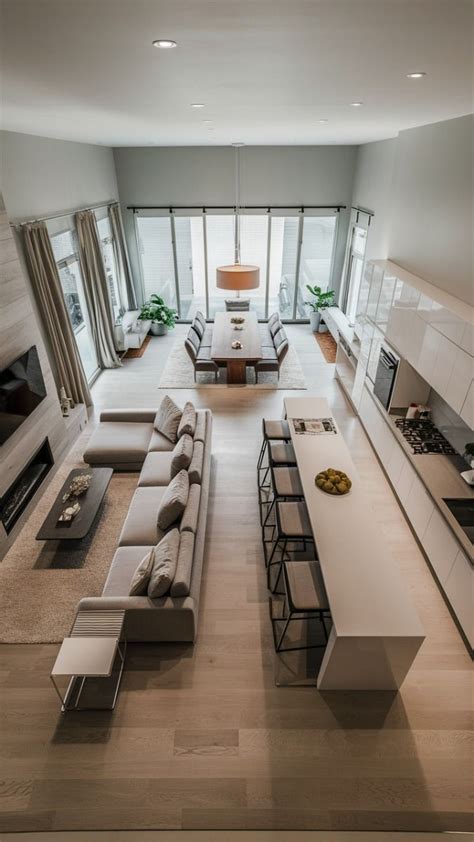
American living spaces vary dramatically, ranging from compact urban studio apartments and historic brownstones to sprawling suburban open-concept great rooms. Crafting a custom layout starts with identifying the focal point of the room—whether that is a traditional fireplace, a television media wall, or a large picture window overlooking a street or backyard. Arranging furniture to honor this focal point while maintaining effortless traffic flow prevents the room from feeling cramped or disjointed.
In smaller footprint homes, floating your furniture away from the perimeter walls creates an illusion of breathing room, contrary to the common instinct of pushing every sofa flush against the drywall. For open-concept floor plans common in modern U.S. construction, utilize large area rugs and the back of a low-profile sectional to subtly demarcate where the living zone ends and the dining or kitchen area begins. This establishes distinct functional boundaries without erecting permanent walls or blocking sightlines.
Color Palettes, Textures, and Textiles for American Homes
The emotional temperature of a living room is largely dictated by its color palette and tactile layers. While neutral foundations featuring warm whites, soft grays, and muted earth tones provide a versatile backdrop, incorporating rich accent colors through smaller, swappable decor items keeps the space dynamic. Consider introducing rust, olive green, midnight blue, or terracotta through throw pillows, ceramic vases, and ceramic table lamps.
Texture is the secret ingredient that prevents neutral spaces from feeling flat or sterile. Combine smooth leather armchairs with chunky knit wool throw blankets, raw edge wooden coffee tables, and woven jute or vintage wool rugs. This interplay of hard and soft surfaces invites touch and creates a lived-in, welcoming atmosphere that feels authentic to contemporary American interior design standards.
Frequently Asked Questions
How can I decorate my living room if I am renting and cannot paint or drill?
You can transform a rental living room without permanent changes by using high-quality peel-and-stick wallpaper for accent walls, hanging curtains with heavy-duty tension rods or adhesive brackets, and utilizing heavy-weight command strips for artwork. Layering area rugs over unappealing carpets and bringing in plug-in sconces and floor lamps also drastically alters the ambiance without violating your lease.
What are some custom design ideas for awkwardly shaped living rooms?
Awkwardly shaped living rooms benefit from floating furniture arrangements rather than pushing pieces against the walls. Use custom-fitted modular sectionals, angled seating layouts, or low-profile credenzas to optimize traffic flow and create natural conversation areas around the room’s existing architectural focal points.
How do I maximize space in a small U.S. apartment living room?
Maximize a small apartment living room by choosing multifunctional furniture, such as storage ottomans, nesting coffee tables, and media consoles with closed cabinets. Keep sightlines open by opting for furniture with exposed legs, hang mirrors to reflect natural light, and use vertical wall space for shelving or leaning art.
What furniture layouts work best for open-concept homes?
Open-concept homes require clear zoning to prevent furniture from floating aimlessly. Anchor the living area with a generously sized area rug that fits all or most of the primary seating furniture. Use the backside of a sofa or a console table placed behind it to create a visual divider between the living room and adjacent dining or kitchen spaces.