Living in a compact U.S. apartment often means navigating strict lease guidelines alongside challenging layouts like narrow studios, galley kitchens, and awkwardly placed doorways. When property managers forbid painting, drilling holes, or installing permanent shelving, creating an organized and comfortable home can feel overwhelming. Fortunately, optimizing a small living space does not require major renovations or expensive custom built-ins. By focusing on flexible layouts, vertical storage that relies on gravity rather than wall anchors, and dual-purpose furnishings, renters can completely transform their daily environment while keeping their security deposit entirely safe.
The secret to successful small-apartment design lies in shifting your perspective from square footage to vertical volume and multi-functionality. Instead of crowding your limited floor space with single-use items, every piece of furniture and organizational tool should pull double duty. Whether you are settling into a newly leased studio or trying to refresh a long-term one-bedroom apartment, these practical strategies deliver functional elegance without crossing any landlord boundaries.
Embrace Vertical Space Without Reaching for the Drill
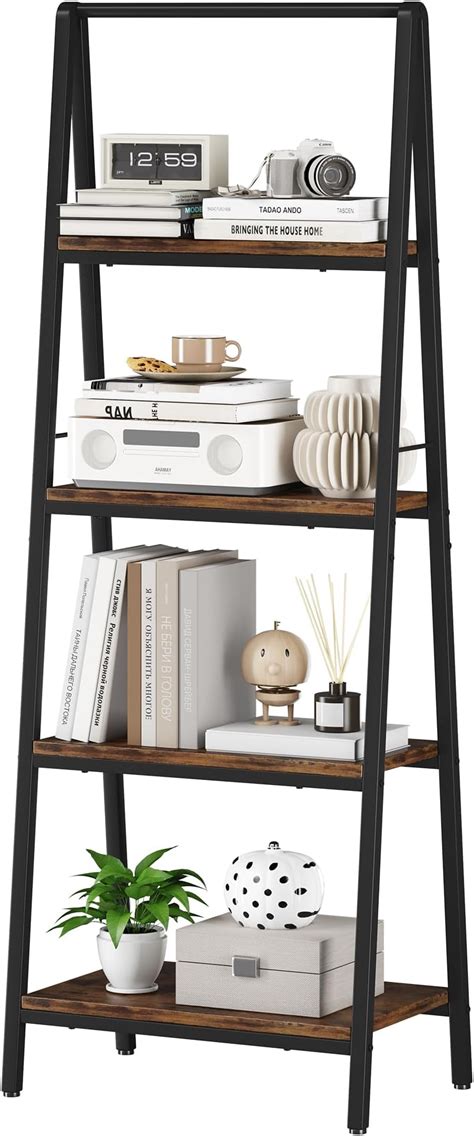
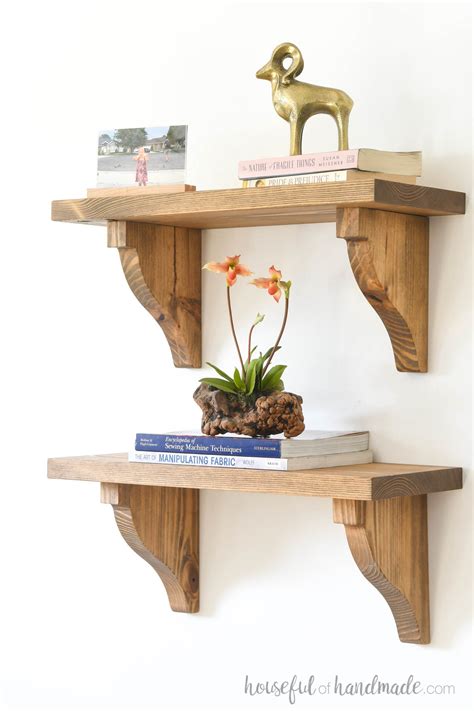
Standard rental agreements in the United States almost universally restrict drilling large holes or anchoring heavy shelving units into drywall, which instantly limits traditional storage options. However, your apartment walls still hold massive untapped potential if you utilize tension-mounted organizers, over-the-door hanging systems, and leaning bookcases. Leaning ladders and leaning shelves utilize gravity and wall-leaning friction to stay secure, offering several tiers of open storage for books, plants, and baskets without requiring a single wall anchor.
In tight entryways or bedrooms, over-the-door racks that slip seamlessly over standard interior doors provide instant hanging space for coats, bags, and accessories without scratching the paint or warping the wood. Similarly, tension rods placed inside narrow closets, under sinks, or even inside window frames can double your hanging capacity or support lightweight storage baskets. These renter-safe adjustments allow you to keep everyday clutter off the floor, instantly making standard rooms feel significantly more open and breathable.
Invest in Clever Multi-Functional Furniture
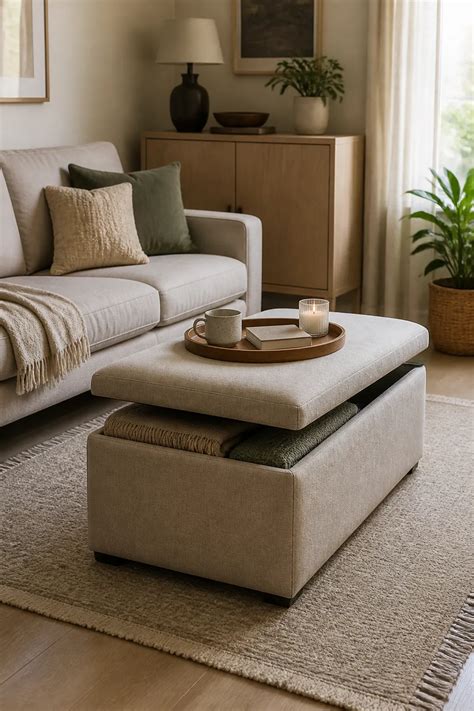
When floor space is at an absolute premium, every single item in your living room or bedroom needs to justify its footprint. Multi-functional furniture acts as the ultimate anchor for small apartments, combining essential everyday utility with hidden storage compartments. A storage ottoman at the foot of your bed or doubling as a coffee table in the living room provides a discreet home for extra blankets, seasonal pillows, or board games while serving as extra seating when guests visit.
Drop-leaf dining tables, nesting coffee tables, and storage beds with built-in drawers underneath represent smart investments that can move with you from one rental to the next. Nesting tables can be tucked away completely when you need an open floor for stretching or working out, and pulled apart instantly to hold drinks or a laptop when working from home. Choosing items that scale down visually—such as furniture with exposed legs rather than bulky block bases—also allows light to pass underneath, preventing the room from feeling cramped or heavy.
Establish Visual Zoning in Open-Concept Layouts
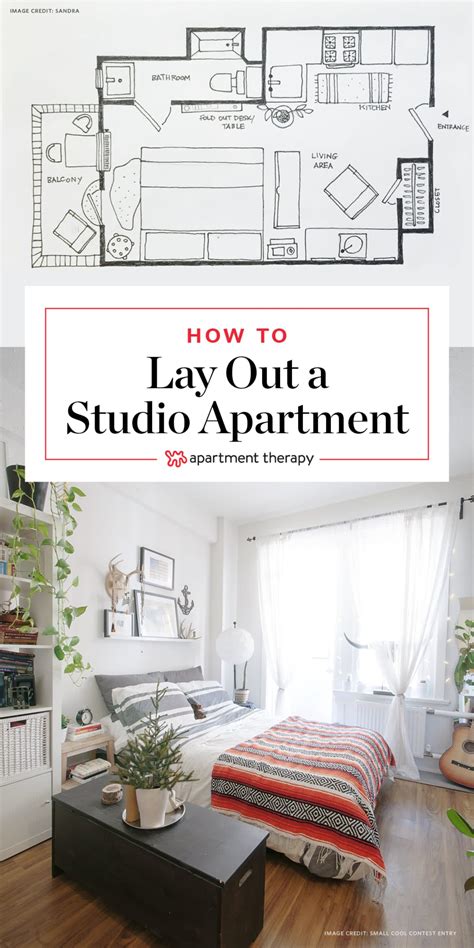
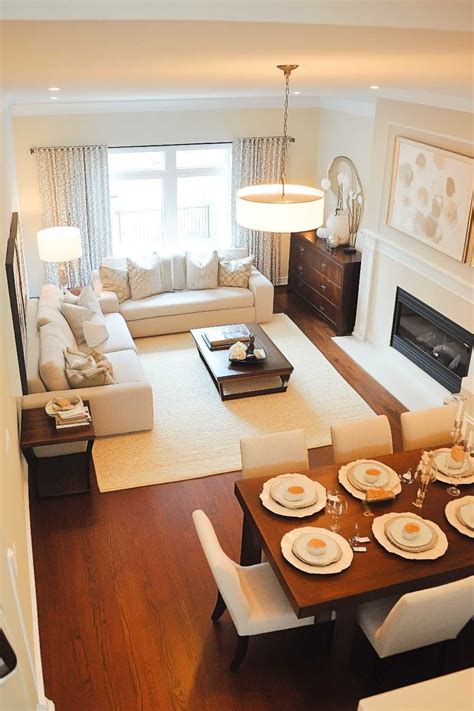
Many modern U.S. apartments feature open-concept layouts where the living room, dining area, and kitchen all occupy a single continuous space. While this layout lets in plenty of natural light, it can quickly look chaotic if different functional zones bleed into one another. Instead of building physical room dividers, renters can use large area rugs, strategically placed lighting, and floating furniture arrangements to define distinct zones for sleeping, working, and relaxing.
Placing an expansive area rug beneath your living room seating group immediately anchors the space and separates it visually from a nearby dining nook or workspace. You can also position the back of a sofa toward your dining area or kitchen to create a subtle psychological boundary without blocking light or airflow. Task lighting, such as an arc floor lamp over a reading chair or a sleek desk lamp for a corner workspace, further reinforces these zones by casting specific pools of illumination where you need them most.
Smart Storage Hacks for Tiny Kitchens and Bathrooms
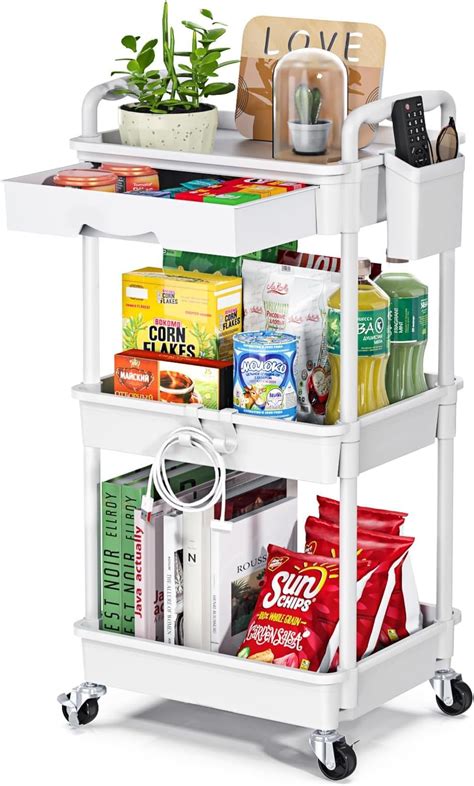
Rental kitchens and bathrooms are notorious for having minimal counter space, shallow cabinets, and awkward under-sink plumbing that wastes valuable storage real estate. To maximize these high-traffic utility zones, introduce freestanding wire shelving units, magnetic spice racks that attach to the side of your refrigerator, and tiered acrylic turntables inside deep pantry cabinets. A simple rolling utility cart can serve as an instant mobile kitchen island, providing extra surface area for meal prep and extra shelves for small appliances.
Inside bathroom vanities and cabinets, stackable drawer organizers and adhesive pull-out baskets help you utilize every inch of vertical space beneath the sink. Tension-mounted shower caddies that wedge securely between the tub rim and ceiling keep toiletries organized without requiring suction cups that fail or hardware that damages tile grout. These renter-friendly adjustments streamline your morning routine and ensure that every item has a designated home.
Create the Illusion of Space with Light and Reflection
Beyond physical storage and layout adjustments, visual tricks play a massive role in making a compact apartment feel expansive and airy. Large floor mirrors leaning against a living room or bedroom wall bounce natural light across the room and trick the eye into perceiving twice the actual depth. Avoid heavy, light-blocking draperies; instead, hang lightweight linen or sheer curtains on a tension rod mounted just below the ceiling line to draw the eye upward and make standard windows appear significantly taller.
Keeping a cohesive color palette dominated by warm neutrals, soft whites, and light pastels also prevents small rooms from feeling visually fragmented. By reducing high-contrast color breaks between walls, trim, and large furniture pieces, the boundaries of the room seem to recede, creating a calm and unified environment that feels much larger than its physical square footage indicates.
Frequently Asked Questions
How can I maximize space in a small apartment without making permanent changes?
You can maximize space renter-safely by utilizing vertical storage solutions like leaning bookshelves, over-the-door organizers, tension rods, and multi-functional furniture with hidden compartments. Avoid wall anchors and hardware modifications by relying on gravity and friction-based mounting systems.
What are the best multi-functional furniture pieces for small spaces?
Key pieces include storage ottomons, nesting coffee tables, drop-leaf dining tables, and beds with built-in under-bed drawers. These items reduce clutter by hiding everyday essentials while serving primary functions like seating, sleeping, and surface space.
How do I organize a tiny rental kitchen or bathroom?
Utilize rolling utility carts for mobile prep space, stackable drawer organizers for deep cabinets, magnetic containers for refrigerators, and tension-based shelving to maximize vertical clearance without drilling into walls or cabinetry.
What design tricks make a small room look brighter and bigger?
Hang large floor mirrors to reflect natural light, use sheer or lightweight window treatments mounted near the ceiling to elongate windows, and stick to a cohesive neutral color palette to minimize visual clutter and expand spatial depth.