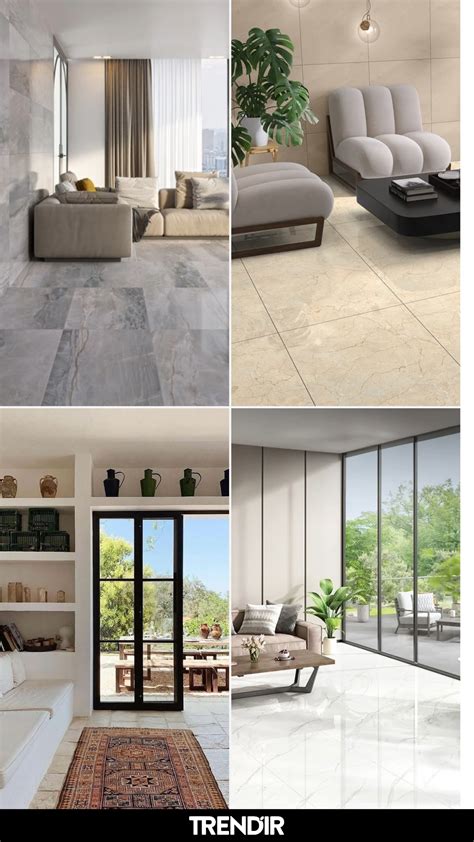
Balancing aesthetic minimalism with everyday storage requirements is one of the greatest challenges in modern American interior design. Whether you are living in a compact urban apartment or navigating an expansive open-concept suburban home, clutter tends to accumulate quickly in high-traffic transition zones. Traditional open console tables offer visual lightness, but they fail to conceal the random assortment of daily life—keys, mail, tech accessories, and paperwork—that easily disrupt a clean room.
This is where console cabinets with drawers emerge as the ultimate spatial solution. By combining the slim profile of a classic console with the concealed organization of dedicated drawers and lower cabinets, these versatile furniture pieces bridge the gap between form and function. When selected with careful attention to scale, finish, and layout, a well-chosen console cabinet transforms an awkward hallway or bare living room wall into a sophisticated architectural feature that works hard behind the scenes.
Sizing and Spatial Planning for Modern American Floor Plans
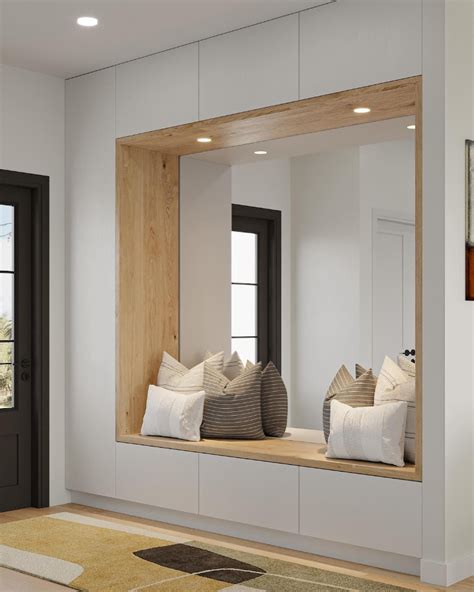
Before purchasing any accent furniture, understanding standard architectural proportions in American homes is essential. Typical hallways and foyer corridors often range from thirty-six to forty-eight inches wide, leaving little room for bulky pieces that impede traffic flow. Selecting a console cabinet with a shallow depth—typically between twelve and fifteen inches—ensures your family and guests can move comfortably past the furniture without feeling crowded or restricted by blocked doorways.
In open-concept great rooms, the spatial challenge shifts from narrow hallways to defining visual boundaries. Placing a console cabinet directly behind a floating sofa creates a natural division between a living area and an adjoining dining space or entryway. In this configuration, the back of the cabinet should ideally sit a few inches lower than the sofa frame to maintain a balanced sightline, while the drawers provide immediate access to remote controls, coasters, and reading glasses without disrupting the room’s serene aesthetic.
Selecting the Ideal Style and Material for Your Interior Palette
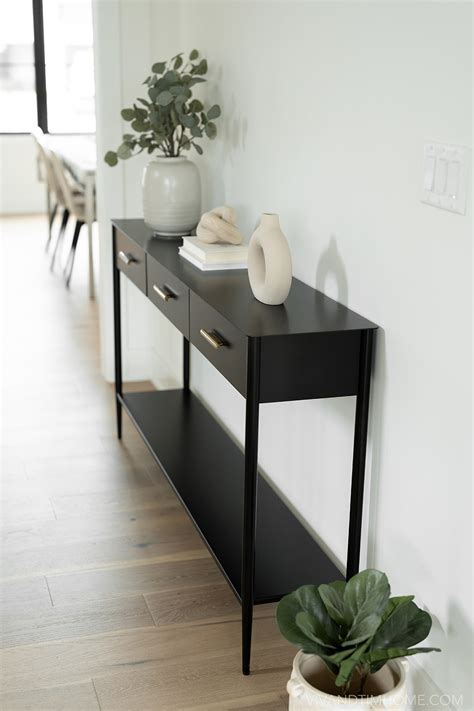
Console cabinets with drawers come in a wide array of architectural styles, making it easy to anchor your existing decor theme. Transitional and modern farmhouse spaces often benefit from warm oak or walnut finishes featuring shaker-style drawer fronts and matte black hardware, which introduce organic texture and grounded charm. Meanwhile, homes leaning toward urban industrial or sleek minimalism look best with streamlined silhouettes, push-to-open flat panels, powder-coated steel legs, and high-gloss or monochromatic lacquered surfaces.
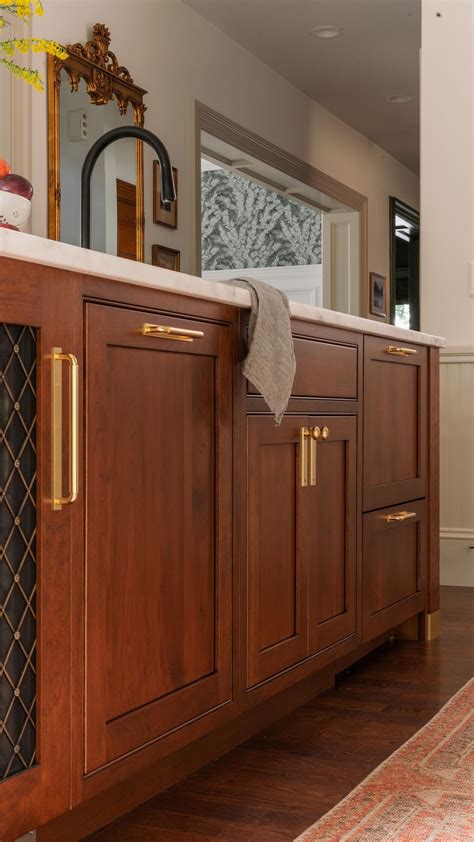
Durability should guide your material selection, especially if the cabinet will serve as a high-use household drop zone. Solid hardwoods and high-grade engineered woods with robust wood veneers stand up remarkably well to daily wear, moisture from damp umbrellas, and heavy loads. Inspecting the drawer construction is equally critical; look for traditional English or French dovetail joinery and undermount metal glides with soft-close mechanisms, which guarantee smooth operation and prevent wear over years of heavy daily use.
Creative Styling Strategies for the Top Surface and Hidden Drawers
Styling a console cabinet successfully requires a delicate equilibrium between visual curation and practical accessibility. The top surface should feature a balanced asymmetrical arrangement rather than a cluttered collection of random objects. Professional interior stylists frequently rely on the rule of thirds, pairing a tall vertical element—such as an arched wall mirror or framed art piece—with a medium-height ceramic table lamp and a low decorative tray for everyday essentials.
Beneath the surface, the interior drawers should be organized with intention rather than becoming a catch-all junk drawer. Utilizing modular felt drawer inserts or small bamboo dividers transforms chaotic storage into an efficient system where mail, loose change, spare batteries, and device chargers each have a designated spot. This ensures that maintaining a clutter-free home requires minimal effort on a daily basis, keeping your living spaces visually calm and deeply functional.
Multi-Functional Placement Ideas Throughout the Home
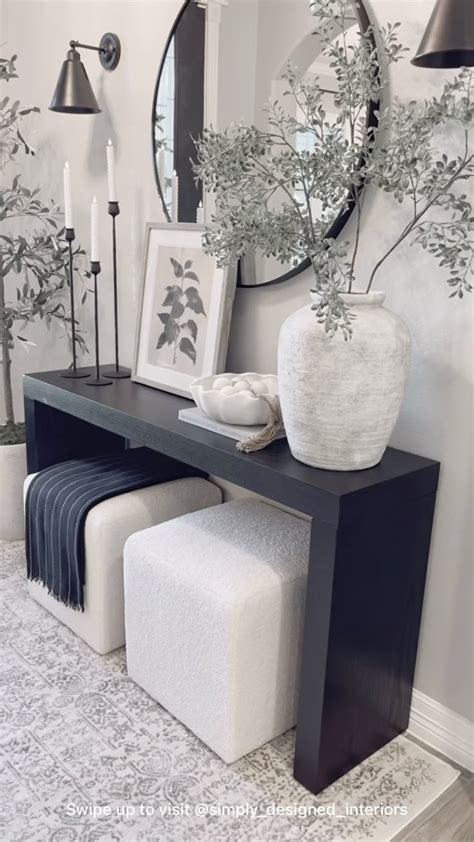
While entryways and living rooms are the most common homes for console cabinets with drawers, their compact footprint makes them exceptionally adaptable throughout the rest of the house. In a dining room, a narrow console cabinet serves as a space-saving buffet or dry bar, offering hidden storage for cloth napkins, candles, and serving utensils without dominating the floor plan the way a massive traditional sideboard might.
Similarly, placing a slender drawer console in a guest bedroom or home office provides guests or family members with a dedicated surface for a laptop or overnight belongings, complemented by drawers to store paperwork or extra linens. No matter where you choose to place it, anchoring the furniture securely to the wall using anti-tip hardware remains a vital safety precaution, particularly in households with young children or active pets, ensuring both peace of mind and long-term stability.
Frequently Asked Questions
How can a console cabinet with drawers help maximize small or awkward spaces?
Console cabinets with drawers utilize vertical height and narrow depths to provide substantial storage without consuming valuable floor space. Their enclosed drawers instantly hide visual clutter in narrow hallways or compact foyers, making small areas feel significantly more open and organized.
Where is the best place to position a console cabinet in an open-concept American home?
In open-concept layouts, positioning a console cabinet directly behind a floating sofa is a classic design technique. It creates a subtle boundary between distinct zones, such as separating a living room from an entryway or dining area, while keeping everyday items within arm’s reach.
What style of console cabinet works best with modern minimalist or transitional decor?
For modern minimalist interiors, look for clean lines, flat-panel push-to-open drawers, and neutral finishes. For transitional spaces, cabinets featuring shaker-style detailing, warm wood tones like walnut or white oak, and brushed metal hardware offer a timeless, balanced look.
How do I style the top of a console cabinet without making it look cluttered?
Apply the design rule of thirds by incorporating a mix of heights and textures. Combine a tall anchor piece like a mirror or framed art with a functional lamp and a shallow decorative tray to corral small daily items, leaving some open negative space to prevent overcrowding.
What should I look for regarding build quality and hardware?
Prioritize solid hardwoods or durable wood veneers over flimsy particle board. Inspect the drawer construction for quality joinery and smooth metal glides, preferably with soft-close mechanisms, to ensure your cabinet withstands years of daily use in high-traffic areas.