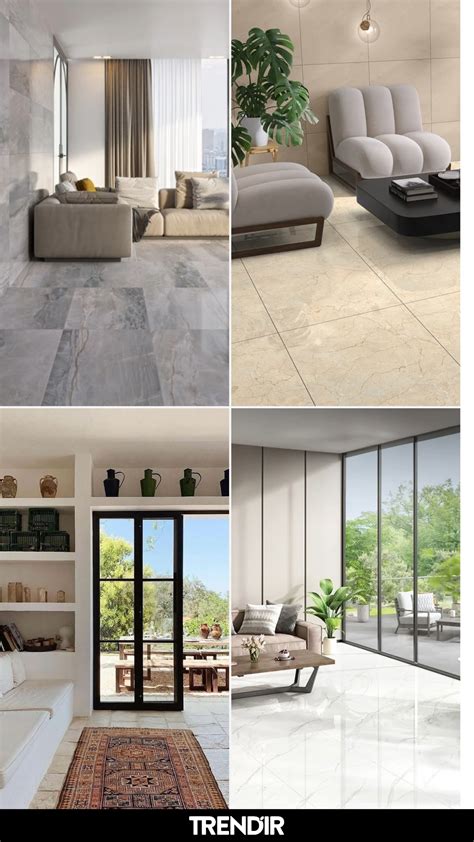
When planning a contemporary home renovation, few design choices anchor a space quite like the flooring foundation. Over the past decade, neutral floor palettes have evolved far beyond basic beige and stark white, with grey emerging as the undisputed champion of modern interior design. Homeowners across the United States increasingly turn to grey floor tiles to establish a clean, sophisticated backdrop that accommodates shifting decor trends. Whether you lean toward minimalist Scandinavian aesthetics, industrial urban lofts, or warm transitional living spaces, grey tiles offer remarkable versatility without sacrificing long-term durability.
Choosing the right flooring involves much more than simply picking a shade off a showroom sample board. Regional sunlight variations across the U.S., room dimensions, family lifestyles, and material compositions all influence how grey tiles perform in daily life. Understanding these variables ensures that your flooring investment enhances both the visual harmony and the practical functionality of your home for years to come.
The Psychology and Versatility of Grey Tones
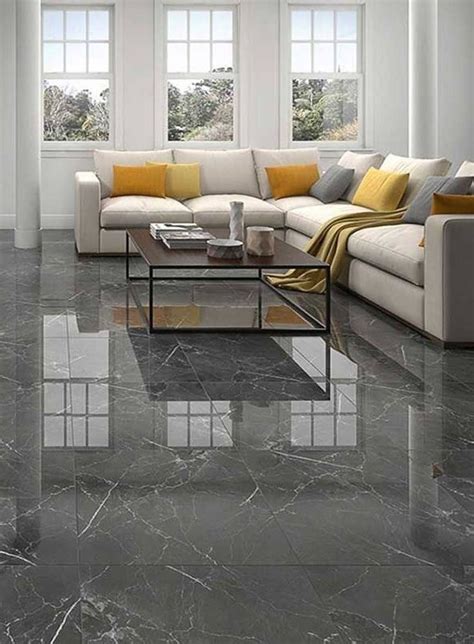
Grey occupies a unique space in interior design because it functions as a true chameleon. Depending on its undertones, grey can feel crisp and invigorating or cozy and grounding. Cool greys carry hints of blue, green, or violet, making them ideal for sun-drenched southern rooms where they help balance intense natural light. Conversely, warm greys incorporate subtle brown, taupe, or beige undertones, often referred to as ‘greige,’ which bring inviting warmth to north-facing rooms that might otherwise feel cold or shadowed.
Beyond temperature, the depth of the grey tile dramatically alters spatial perception. Large-format light grey tiles reflect ambient illumination, making compact urban apartments or narrow hallways feel significantly more expansive. On the other hand, deep charcoal or slate tiles create an immediate sense of drama and intimacy in spacious open-concept great rooms. Balancing these shades against your home’s natural architectural features prevents the interior from feeling sterile, allowing you to build rich layers of texture through rugs, upholstery, and wood accents.
Material Choices: Finding the Right Balance of Durability and Style
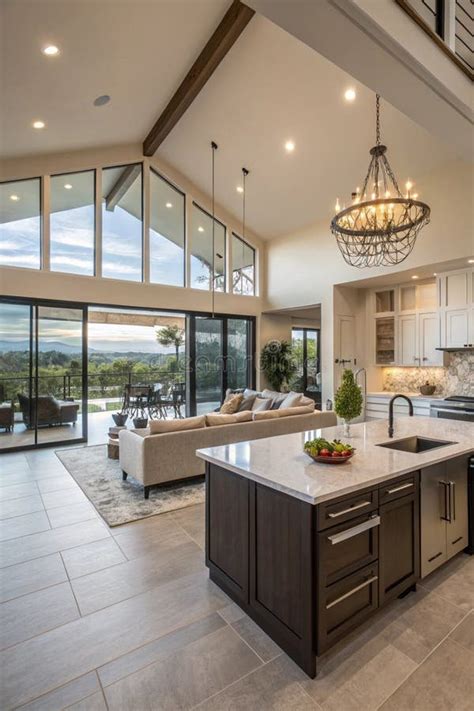
Selecting the correct material for your grey floor tiles depends entirely on the specific demands of the room and your household’s daily routines. Modern manufacturing techniques have expanded options far beyond traditional clay, giving homeowners a wide spectrum of functional choices that mimic natural elements while offering superior resilience against wear and tear.
Porcelain and Ceramic Tiles
Porcelain tile remains a gold standard for high-traffic American households due to its extreme density, low water absorption rate, and scratch resistance. Available in countless finishes, porcelain can faithfully replicate the look of natural concrete, weathered wood, or fine terrazzo in any shade of grey. Ceramic tiles offer a slightly more budget-friendly alternative that is exceptionally easy to cut and install, making them wonderful choices for low-to-moderate traffic areas like guest bathrooms and laundry rooms.
Natural Stone and Luxury Vinyl Tile (LVT)
For those seeking organic authenticity, natural stones such as grey slate, limestone, or marble bring unmatched individuality through natural veining and tactile variety. However, natural stone demands regular sealing and careful maintenance. For homeowners wanting the look of stone or concrete with softer underfoot comfort and simplified upkeep, luxury vinyl tile (LVT) provides a waterproof, resilient, and forgiving surface that handles active families and pets with ease.
Room-by-Room Application Strategies
Applying grey floor tiles effectively requires considering how each room functions throughout the day. A kitchen floor experiences entirely different stresses than a primary bathroom or a mudroom, meaning your tile selection should adapt accordingly.
Kitchens and Open-Concept Living Areas
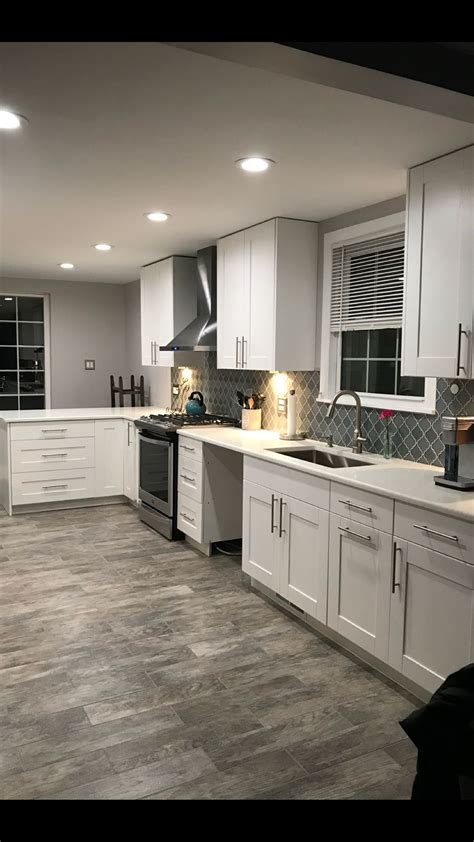
In modern kitchens, grey floor tiles bridge the gap between active culinary zones and relaxed dining spaces. Medium grey matte porcelain tiles work exceptionally well here because they effectively conceal everyday dust, stray crumbs, and water spots between cleanings. Pair these floors with crisp white perimeter cabinetry and a warm wooden kitchen island to create a balanced, welcoming heart of the home that feels both modern and timeless.
Bathrooms and Entryways
Entryways and mudrooms bear the brunt of outdoor elements, from muddy boots in winter to sandy shoes in summer. Textured grey stone-look tiles provide necessary slip resistance when wet while establishing an organized, clean-lined threshold. In bathrooms, incorporating patterned grey encaustic-style tiles on the floor introduces geometric interest, elevating a simple vanity and neutral wall palette into a spa-like retreat.
Frequently Asked Questions
How do grey floor tiles impact the perceived size and lighting of a room?
Light grey tiles with a polished or satin finish reflect natural and artificial light, making small or dark rooms feel larger and more open. Conversely, deep charcoal or matte grey tiles absorb light, creating a cozy, grounded atmosphere in spacious rooms with high ceilings and abundant windows.
What interior design styles pair best with grey floor tiles?
Grey floor tiles serve as an ideal foundation for modern minimalist, industrial, Scandinavian, and transitional design styles. Their neutral nature allows them to complement bold accent colors, warm wood tones, and sleek metallic fixtures effortlessly.
Are grey floor tiles practical for high-traffic areas and families?
Yes, particularly porcelain and luxury vinyl tile options. Textured medium-grey tiles are especially practical because they mask everyday dust, pet hair, and minor scuffs much better than pure white or pitch-black flooring alternatives.
How do you choose between warm grey and cool grey undertones?
Consider the natural light in your space. Rooms with abundant warm sunlight benefit from cool grey tiles to balance the brightness, while north-facing rooms with cooler, bluish light look more inviting when paired with warm greys or greige tones.
What are the best maintenance practices for grey tiled floors?
Regular sweeping or vacuuming removes abrasive grit that can dull tile finishes over time. For routine cleaning, use a pH-neutral cleaner mixed with warm water, avoiding harsh acids or bleach that can degrade grout lines or specialized tile glazes.