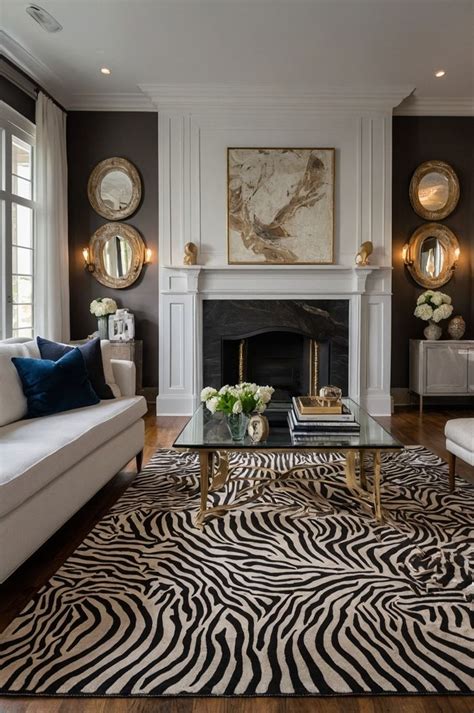
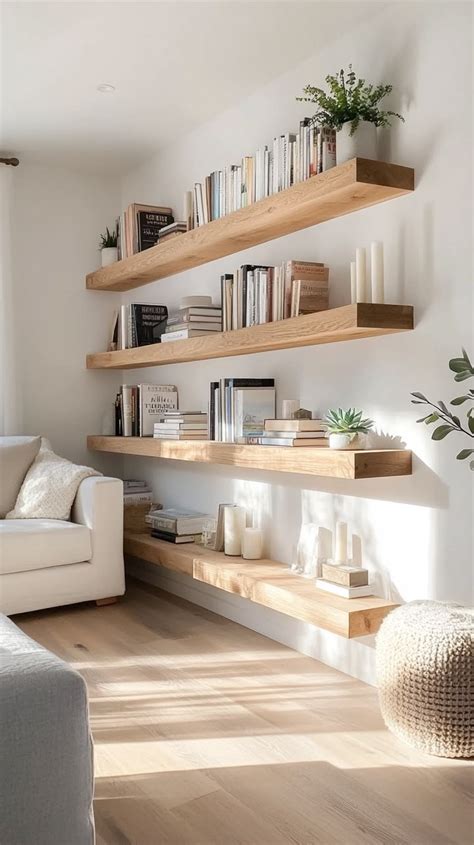
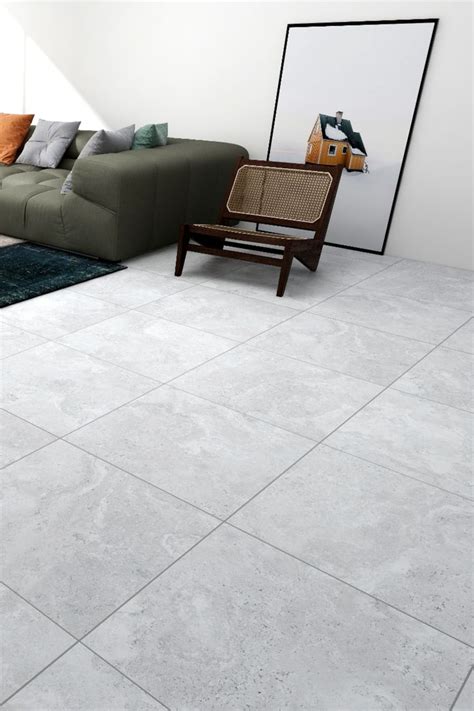
Grey tiles have firmly established themselves as a cornerstone of contemporary interior design. Far from being a passing trend, this neutral palette serves as an adaptable backdrop that can feel ultra-sleek, industrial, warm, or effortlessly traditional depending on how it is styled. Whether you are planning a complete home overhaul or updating a single powder room, incorporating grey tiles allows you to build a sophisticated foundation that outlasts shifting design fads. The key to success lies in understanding how different shades, textures, and installation patterns interact with natural light and existing furnishings.
Many homeowners hesitate to commit to grey because they worry the final result will feel sterile or unwelcoming. However, by intentionally layering tactile elements, choosing the right undertones—such as warm greige or cool slate—and balancing hard surfaces with soft textiles, you can create spaces that feel grounded and deeply inviting. This guide walks you through the essential strategies for selecting, laying, and styling grey tiles across your floors and walls.
The Versatility of Grey: Choosing the Right Shade and Undertone
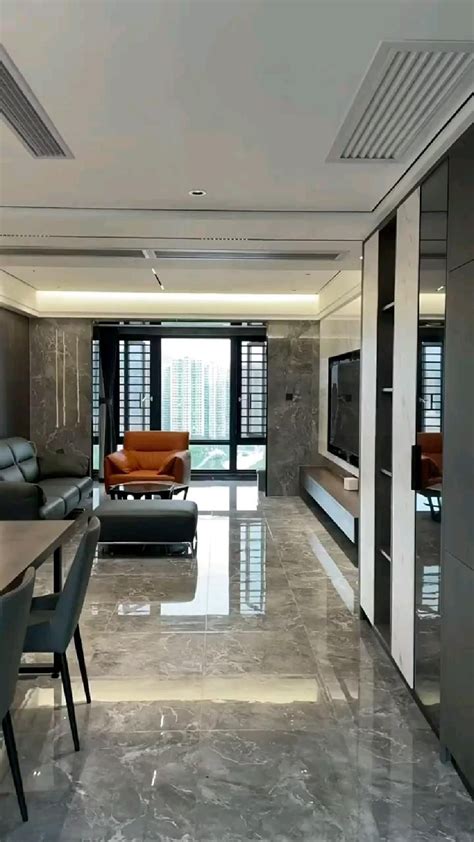
Before selecting a physical tile, it is crucial to recognize that not all grey is created equal. Grey tones carry distinct undertones of blue, green, violet, or brown that shift dramatically depending on the room’s exposure to natural sunlight. North-facing rooms in American homes typically receive cooler, bluer light, which can make stark grey tiles feel harsh. In these spaces, selecting a warmer greige—a hybrid of grey and beige—instantly introduces warmth and keeps the environment cozy.
Conversely, south-facing rooms flooded with bright, warm sunlight can easily support cooler charcoal and slate shades without feeling cavernous. When evaluating tile samples, lay them flat on the floor and prop them against the wall at different times of the day. This simple test reveals how morning light versus evening artificial illumination alters the perceived color, preventing costly mistakes during a renovation project.
Balancing Light and Dark Tones for Spatial Impact
The shade of your tile directly dictates how large or intimate a room feels. Light grey tiles reflect ambient illumination, making compact urban apartments, galley kitchens, and small bathrooms appear expansive and airy. Large-format light grey porcelain tiles minimize grout lines, further enhancing the illusion of continuous space.
Dark charcoal or near-black tiles introduce dramatic contrast and intimacy. They work wonderfully in spacious open-plan living areas or grand entryways where you want to anchor the room. However, wrapping an entire small room in dark grey can absorb light entirely unless you offset the walls with bright cabinetry, pale wood accents, or strategic wall-washing light fixtures.
Modern Grey Floor Tile Ideas Across Your Home
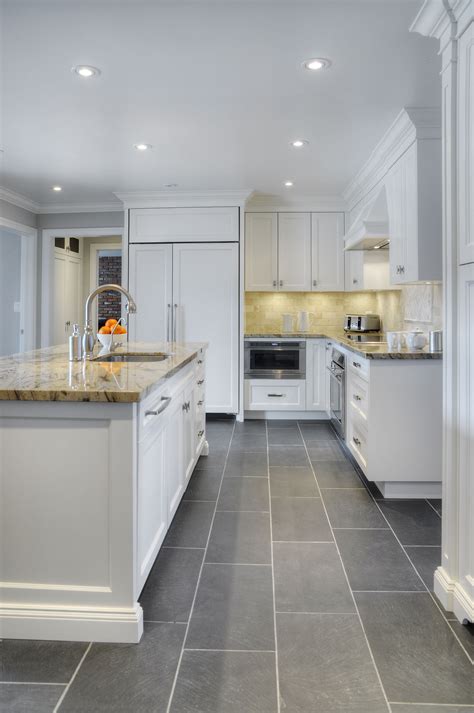
Flooring sets the architectural tone for your entire home. Grey floor tiles offer incredible durability alongside visual neutrality, making them suitable for high-traffic zones like hallways, mudrooms, kitchens, and living rooms. Porcelain and ceramic options stand up exceptionally well to daily wear, moisture, and pet activity while maintaining a pristine appearance with minimal upkeep.
In open-concept layouts, carrying a uniform grey floor tile from the entryway through the kitchen unifies disparate functional zones. To prevent large continuous spaces from feeling monolithic, consider breaking up the field with a subtle herringbone border or transitioning to a different layout pattern in dining or seating zones.
Room-by-Room Flooring Strategies
Kitchen floors benefit immensely from medium-grey matte tiles that effortlessly conceal everyday dust, crumbs, and water splashes between cleanings. In bathrooms, textured or slip-resistant matte grey tiles provide necessary safety underfoot while evoking the calming atmosphere of a high-end spa.
For living rooms, large-format grey tiles mimic the look of poured concrete or natural limestone, establishing an industrial-chic or minimalist aesthetic. Renters or those seeking low-commitment updates can also explore high-quality luxury vinyl tiles or peel-and-stick composite alternatives that deliver the grey stone look without permanent subfloor modifications.
Statement Grey Wall Tile Designs and Backsplashes
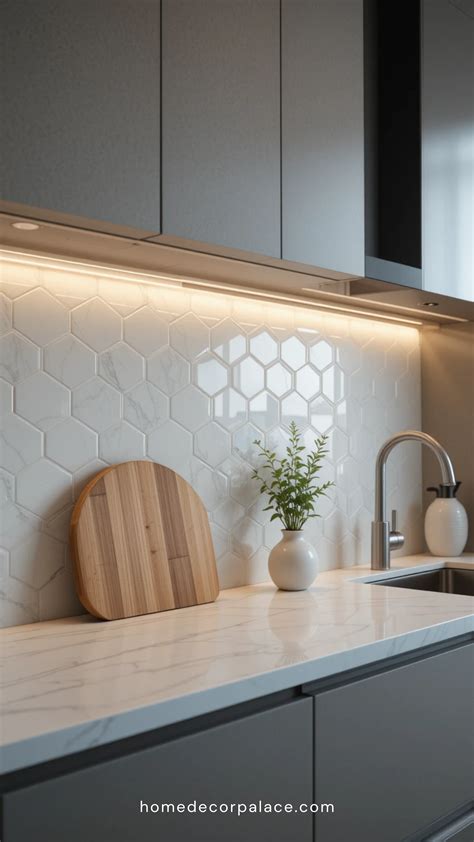
While floors demand durability and subtle coordination, walls offer the perfect canvas for creative expression. Grey wall tiles can transform an ordinary vertical surface into a stunning architectural feature. Subway tiles in soft dove grey, handcrafted zellige tiles with undulating surfaces, and geometric dimensional patterns all bring movement and depth to vertical spaces.
In the kitchen, a grey tiled backsplash bridges the gap between sleek stainless steel appliances and warm wooden cabinetry. The reflective quality of a glossy glaze catches under-cabinet lighting, adding functional brightness to meal preparation zones while protecting walls from grease and moisture.
Creating Accent Walls in Bathrooms and Beyond
Bathrooms represent the quintessential space for dramatic wall tiling. Wrapping a walk-in shower enclosure or a freestanding tub backdrop in textured grey tiles creates an immediate focal point. Consider stacking rectangular tiles vertically to draw the eye upward, creating the perception of higher ceilings in modest bathrooms.
Beyond wet rooms, grey feature walls can elevate living room fireplace surrounds or bedroom headboard accent walls. Pairing grey stacked stone or large-format tiles with a wooden mantel or floating shelves softens the industrial edge, resulting in a balanced, curated aesthetic.
Selecting the Ideal Finish: Matte, Polished, or Textured
The surface finish of your tile dictates both its safety performance and its tactile personality. A polished finish features a mirror-like shine that bounces light around dark rooms, making it a popular choice for formal entryways and accent walls. However, polished floors can become slick when wet, making them risky for busy family bathrooms or kitchens.
Matte finishes offer a velvety, understated look that absorbs glare and feels remarkably organic underfoot. They excel in high-traffic, mess-prone areas because they show fewer footprints and water spots. Textured or fluted tiles introduce a tactile dimension, engaging the sense of touch and adding architectural interest to plain walls without relying on bold colors.
Styling Grey Tiles: Color Palettes, Grout, and Furnishings
Successfully styling a room featuring grey tiles requires careful attention to supporting colors and materials. Because grey sits on the neutral spectrum, it acts as a chameleon. Pairing grey tiles with crisp white trim creates a clean, timeless look, while introducing rich jewel tones like emerald green, navy blue, or mustard yellow infuses personality and vibrancy.
Wood tones are particularly effective at warming up grey tile installations. Walnut dining tables, white oak floating vanities, or rattan accent chairs cut through the coolness of stone and tile surfaces. Finally, do not overlook grout selection: matching grout creates a seamless, monolithic canvas, whereas contrasting dark or light grout highlights individual tile geometry for a graphic, design-forward effect.
Frequently Asked Questions
How can I keep grey tiles from making my living room feel cold?
To combat a chilly aesthetic, incorporate natural wood furniture, plush area rugs, warm metallic accents like brass or brushed gold, and layered ambient lighting with warm color temperatures (around 2700K).
Are polished grey tiles slippery on floors?
Yes, polished tiles can become quite slick when wet. For floors in moisture-prone areas like kitchens, bathrooms, and entryways, choose matte, textured, or anti-slip finished tiles instead.
What color grout works best with grey tiles?
The ideal grout depends on your design goals. Matching grout creates a smooth, continuous surface. A lighter contrasting grout highlights geometric patterns, while a darker grout hides dirt in high-traffic zones.
Can renters use grey tile designs in temporary living spaces?
Renters can achieve a similar look using peel-and-stick vinyl tiles, removable tile stickers for backsplashes, or large decorative area rugs that cover cold or unappealing rental flooring.