Updating your living space does not require knocking down walls or enduring months of chaotic construction. For many American homeowners and renters, achieving an elegant atmosphere is entirely possible through targeted, low-effort changes that respect your budget and time. Whether you live in a suburban split-level or an urban apartment, focusing on surface-level finishes, smart furniture arrangements, and layered textures can completely alter how a room feels, moving away from builder-grade blandness toward a curated, personal retreat.
This comprehensive collection of 52 effortless living room remodel ideas is organized to help you target specific areas of your space, from architectural accents and lighting enhancements to textile choices and minimalist layout shifts. Rather than treating your living room as a rigid showroom, these strategies emphasize comfort, utility, and visual harmony. Each strategy is designed for real-world execution, allowing you to pick and choose updates that suit your specific floor plan, lighting conditions, and daily lifestyle requirements without overwhelming your schedule.
Foundation and Layout Shifts for American Floor Plans
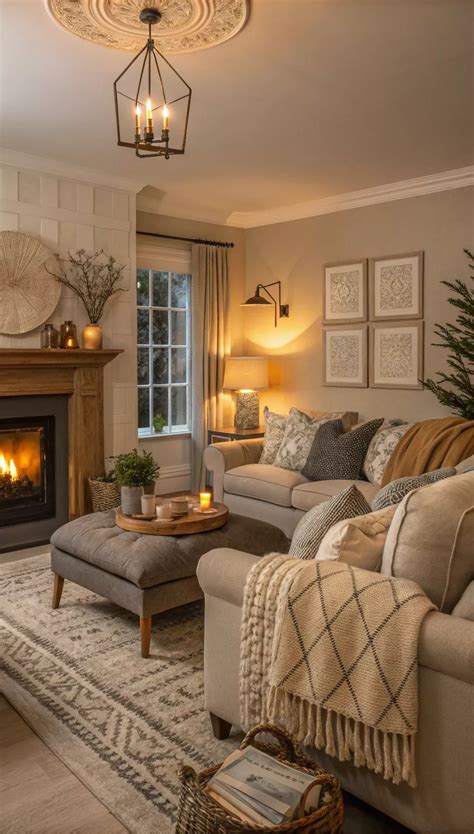
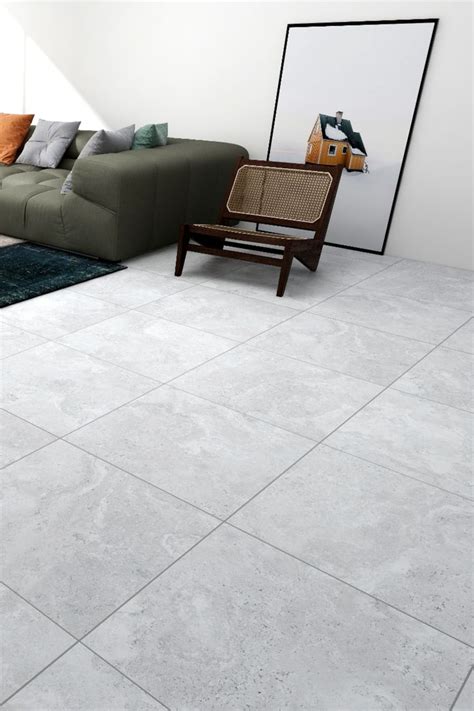
The layout of a typical American living room often has to accommodate multiple entryways, an open-concept flow into the kitchen, or a prominent television wall. Working with these architectural realities rather than fighting them is the secret to creating a comfortable, navigable room. By redefining how furniture sits within the space, you can instantly improve traffic flow and visual balance without buying a single new piece of furniture.
Consider these foundational and layout-focused updates to redefine your main gathering area:
- 1. Pull furniture away from the walls: Float your sofa and armchairs slightly inward to create a more intimate, conversational seating cluster. This prevents the room from feeling like a waiting area and establishes cozy breathing room around the perimeter.
- 2. Create distinct functional zones: Use a slim console table behind the sofa to anchor an open-plan space and clearly separate the living zone from an adjacent dining table or entryway mudroom drop zone.
- 3. Edit your accessories: Remove roughly one-third of your decorative items to let statement pieces breathe and eliminate visual clutter that makes a room feel chaotic.
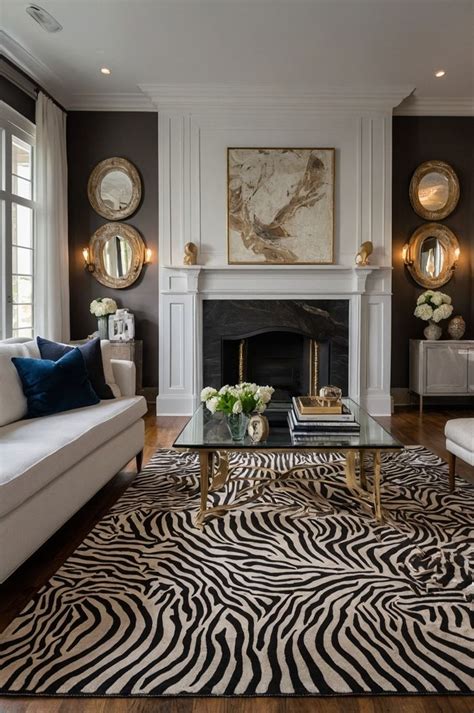
- 4. Anchor the seating with an oversized rug: Ensure at least the front legs of all major seating pieces rest securely on the rug to unify the arrangement and define the conversational perimeter.
- 5. Optimize television placement: Mount your TV at eye level when seated or place it on a low, proportional media console to prevent neck strain and keep upper sightlines clean and uncluttered.
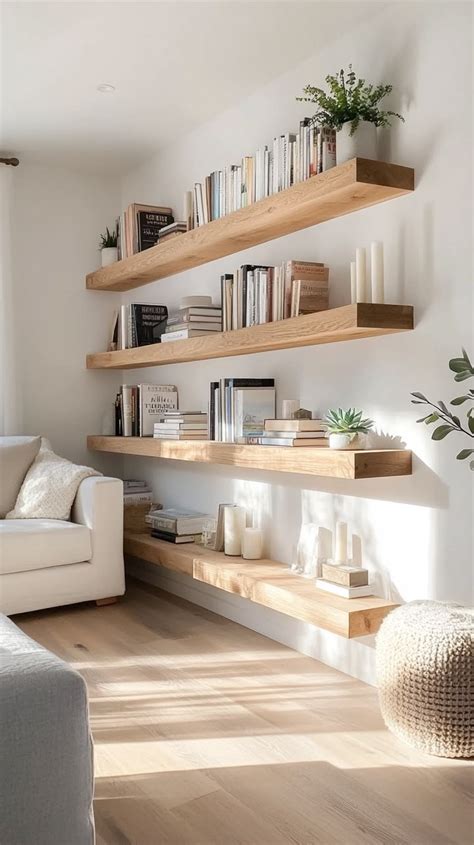
- 6. Utilize vertical space: Install floating shelves above your media console to draw the eye upward toward the ceiling, creating an optical illusion that makes lower ceilings feel taller and grander.
- 7. Reorient around natural light: Arrange your primary seating to face a large window or glass door, making the outdoors an active part of your interior view and boosting natural daylight exposure.
Implementing these spatial adjustments often costs nothing and takes only an afternoon of heavy lifting. When furniture is given proper breathing room, even compact living rooms gain a sense of airiness and intentional luxury that heavy, wall-bound layouts simply cannot achieve.
Elevating Walls and Color Palettes Without Major Renovations
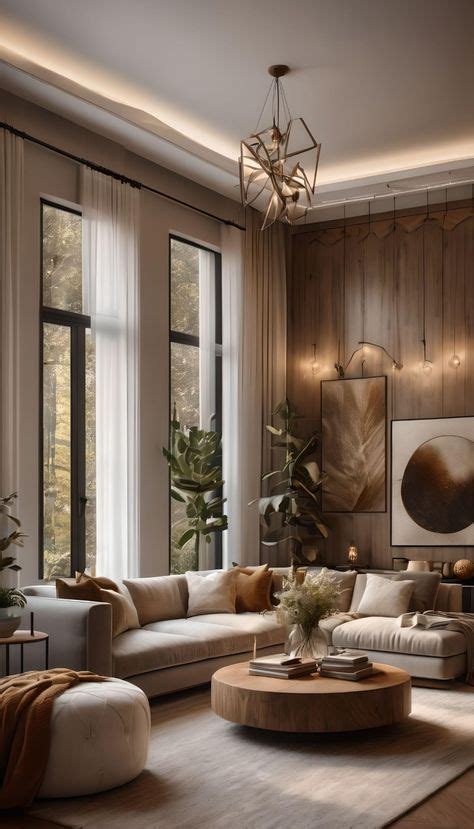
Paint and wall treatments remain the most cost-effective tools for transforming a living room’s personality. In many American homes, builder-grade beige or stark white can feel uninspired and cold. Shifting to a more nuanced, tactile color palette or introducing subtle architectural details can dramatically upgrade the perceived quality and architectural interest of the entire space.
Explore these wall and color strategies to add depth and sophistication to your vertical surfaces:
- 8. Embrace warm neutrals: Swap cold grays for creamy off-whites, soft taupes, or warm greiges that reflect natural daylight gracefully and create a welcoming backdrop for any decor style.
- 9. Create a moody accent wall: Paint one focal wall in a deep olive, charcoal, or navy to anchor the room, create a natural spot for artwork, and add instant architectural drama.
- 10. Install DIY board and batten: Add inexpensive MDF strips to the lower third of a wall for classic American craftsman character that instantly adds custom millwork appeal.
- 11. Hang a single oversized piece of art: Replace a busy gallery wall of small frames with one large canvas to reduce visual noise and project modern, gallery-like elegance.
- 12. Paint your interior doors: A contrasting dark or soft gray paint on living room doors adds unexpected custom-built charm and breaks up endless expanses of plain drywall.
- 13. Apply picture frame molding: Use lightweight adhesive molding strips to create classic wall paneling without heavy carpentry work or permanent structural alterations.
- 14. Whitewash a brick fireplace: Give a dated red brick hearth a fresh, transitional look with a breathable masonry wash that maintains brick texture while modernizing the color.
- 15. Update outlet covers: Replace standard plastic switch plates with matte black, brushed brass, or wooden covers for a cohesive, high-end finishing touch.
When selecting paint finishes, opt for an eggshell or satin sheen on walls for easy cleaning and a soft, non-glossy reflection. These subtle finish upgrades accumulate to create an environment that feels professionally designed rather than hastily assembled.
Lighting Upgrades for Instant Ambiance
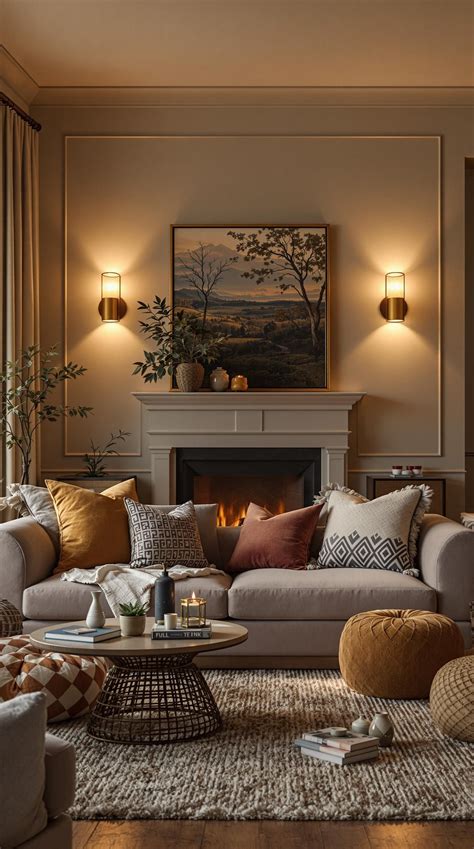
Overhead flush-mount lighting can easily make a living room feel sterile and clinical. Layered lighting—combining ambient, task, and accent sources—is the hallmark of high-end interior design. By introducing varied light levels at different heights, you eliminate harsh overhead shadows and create a warm, welcoming environment for family movie nights or evening gatherings.
Try these lighting enhancements to shift the mood of your living room instantly:
- 16. Ditch the big overhead light: Rely instead on floor lamps, table lamps, and wall sconces to illuminate the room at eye level, creating pockets of warmth that feel human-scale.
- 17. Install warm LED smart bulbs: Program your bulbs to a warm 2700K color temperature to mimic cozy incandescent lighting while reducing home energy consumption.
- 18. Use plug-in wall sconces: Mount stylish sconces flanking your sofa or art pieces without dealing with complicated electrical wiring behind drywall studs.
- 19. Add a dimmable arc floor lamp: Arch a stylish lamp over your reading chair to introduce both an architectural curve and focused task light for evening reading.
- 20. Backlight your media console: Affix a subtle LED strip behind your TV or media cabinet for a soft, cinematic glow at night that reduces eye strain.
- 21. Incorporate table lamps on sideboards: Place ceramic or glass table lamps on side tables and consoles to fill dark corners and add textural glow.
- 22. Upgrade lampshades: Swap standard white shades for pleated linen, black paper, or woven bamboo shades to diffuse light more texturally across the room.
Good lighting changes how colors and textures are perceived throughout the day. By softening the light sources in your living space, you invite relaxation and make the entire room feel more intimate and curated.
Textile Layering for Tactile Comfort
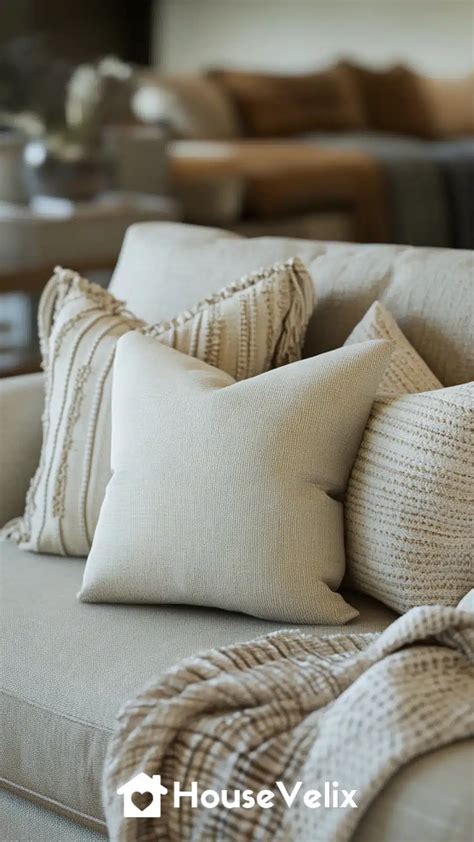
Comfort is essential to any functional living space. Layering textiles introduces softness, warmth, and visual interest, preventing hard surfaces from feeling austere. By mixing materials like linen, wool, leather, and velvet, you build a sensory experience that defines cozy, elegant American living.
Incorporate these textile updates to make your living room irresistibly inviting:
- 23. Mix pillow textures: Combine smooth linen cushions with chunky knit or boucle throw pillows on your sofa to add tactile variety and depth.
- 24. Drape a heavy knit throw: Place a weighted or oversized waffle-knit blanket over the corner of your primary seating to signal comfort and readiness for relaxing.
- 25. Layer a vintage rug over a natural jute rug: Place a smaller patterned vintage rug on top of a large, neutral jute base for extra pattern, color, and structural depth.
- 26. Upgrade window drapery: Hang floor-length linen or velvet curtains high and wide to make windows appear grander and draw the eye toward the ceiling.
- 27. Use textured slipcovers: Transform a tired sofa with a relaxed, tailored linen or cotton slipcover in a neutral shade for an easy refresh.
- 28. Introduce leather accents: Add a leather ottoman or accent chair to introduce a rich, durable natural material that develops a beautiful patina over time.
- 29. Swap out chair cushions: Re-upholster dining or accent chairs with heavy patterned woven fabrics for a subtle, custom textile update.
Textiles are also the easiest elements to swap out seasonally. Transitioning from lightweight cottons in summer to heavy wools and velvets in winter lets your living room evolve naturally with the calendar year without requiring permanent changes.
Styling Surfaces and Functional Decor Details
The final layer of any living room remodel involves styling your horizontal surfaces and decorative details. Rather than filling every empty space, curate deliberate vignettes using items with varying heights, materials, and personal meaning. This editorial approach ensures your room looks finished without feeling cluttered.
Refine your decor and surface styling with these simple techniques:
- 30. Style coffee table trays: Group a small stack of art books, a scented candle, and a small decorative bowl on a wooden tray to keep clutter contained.
- 31. Introduce organic greenery: Place a tall fiddle-leaf fig, snake plant, or olive tree in a ceramic planter to bring living energy into an empty corner.
- 32. Display sculptural objects: Use marble links, wooden beads, or ceramic vases to add architectural interest to open shelving and media consoles.
- 33. Hang a large round mirror: Reflect light and break up rectangular wall lines with a brass- or black-framed circular mirror above a console table.
- 34. Incorporate family photography tastefully: Group black-and-white family portraits in matching minimalist frames for a cohesive gallery display that feels personal yet sleek.
- 35. Use baskets for hidden storage: Tuck woven seagrass baskets under consoles or beside chairs to hold extra throw blankets, toys, and remote controls.
- 36. Display heirloom items: Feature a cherished vintage bowl, book, or heirloom piece as a conversation starter on an open bookshelf.
- 37. Style open bookshelves by color: Arrange books by color groupings or turn spines inward for a quiet, monochromatic minimalist look.
- 38. Add scented candles: Engage the sense of smell with subtle woodsmoke, amber, or fresh linen scented candles to complete the sensory environment.
- 39. Introduce metallic accents: Add small touches of brushed brass or antique bronze through picture frames or small sculptures to catch ambient light.
- 40. Swap out cabinet hardware: Replace generic media console knobs with sleek modern pulls to give budget furniture a custom, high-end feel.
- 41. Hang lightweight botanicals: Frame pressed leaves or vintage botanical prints for classic, timeless wall art that connects the indoors with nature.
- 42. Style a bar cart: Arrange glassware, a decanter, and a small plant on a rolling metal bar cart for functional entertaining storage.
- 43. Use acrylic furniture in tight spaces: Place a clear acrylic coffee table in a small room to maintain sightlines and reduce visual bulk.
- 44. Add floor cushions: Stack oversized floor cushions in a corner for casual, flexible seating during large family gatherings.
- 45. Hang a woven wall hanging: Introduce textile art instead of framed prints to add acoustic softness to hard drywall surfaces.
- 46. Update throw blanket ladders: Display cozy blankets on a minimalist wooden ladder against an empty wall for organized vertical storage.
- 47. Place a bench under a window: Use a slim upholstered bench beneath a living room window for extra seating and understated style.
- 48. Group pillar candles on the hearth: Arrange unscented pillar candles of varying heights inside an unused fireplace for a warm evening glow.
- 49. Use matching storage boxes: Organize clutter on open shelves inside uniform linen-wrapped storage boxes for a tidy, streamlined look.
- 50. Hang curtains double-wide: Use double curtain rods with sheer panels underneath and heavy drapes on top for hotel-quality luxury and privacy control.
- 51. Introduce a statement pouf: Add a Moroccan leather or wool pouf as a versatile footrest or extra seat when guests visit.
- 52. Keep styling seasonal: Rotate small decor items like pillow covers and vase fillers quarterly to keep the space feeling fresh and intentional year-round.
By taking a measured, step-by-step approach to these fifty-two ideas, you can curate a living space that feels deeply personal, effortlessly elegant, and perfectly suited to everyday American living. Focus on quality over quantity, and let your room evolve at a comfortable, sustainable pace.
Frequently Asked Questions
How can I make my living room look elegant on a budget?
Achieving an elegant look on a budget relies on editing clutter, upgrading lighting, and focusing on high-impact details like neutral paint colors and textured textiles. Investing in a large, well-fitted area rug and swapping overhead lighting for warm table lamps instantly elevates the room’s sophistication without costly structural changes.
What are simple ways to update a living room without a full renovation?
You can refresh your living room without remodeling by rearranging your furniture layout away from walls, introducing new cushion covers and throws, hanging floor-length curtains, and styling surfaces with curated decorative trays and organic greenery.
How do I choose the right color palette for a small American living room?
For smaller living spaces, opt for warm neutrals like soft off-whites, warm greiges, or creamy taupes to maximize reflected light. You can introduce depth by incorporating a darker accent wall or layering rich textures through wood, leather, and woven decor items.