Designing a living room that feels balanced, welcoming, and authentic can present unique challenges depending on your living situation. Across the United States, households range from compact urban apartments to spacious suburban single-family homes. Whether you own your property or rent under strict lease terms, your living space should reflect your personal style without compromising functionality or your financial security.
Creating an inviting environment requires thoughtful planning around furniture layouts, lighting layers, textiles, and focal points. By understanding how to adapt these core design principles to your specific square footage and property type, you can build a cohesive living area that looks curated rather than improvised. The key lies in selecting versatile pieces and choosing between permanent improvements and damage-free, temporary solutions.
Mastering Layout and Furniture Placement
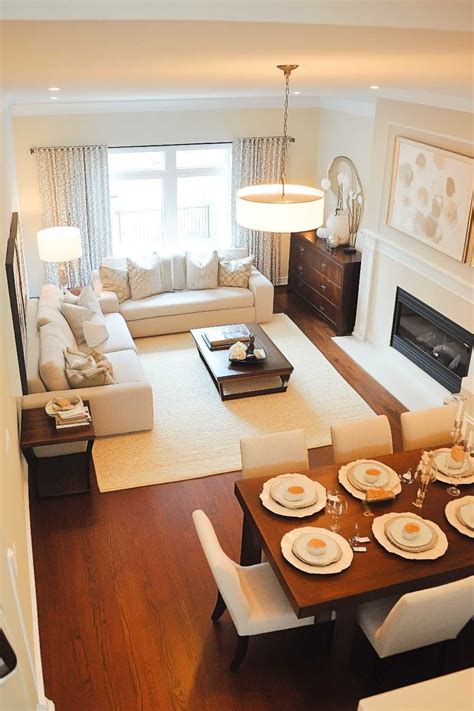
The foundation of any successful living room design is the layout. A common mistake in American living rooms is pushing all furniture against the perimeter walls, which actually makes the space feel disjointed and cavernous rather than cozy. Instead, pull your seating arrangement inward, even if it is just a few inches, to foster a more intimate conversation area. For homeowners with open-concept floor plans, floating your sofa and placing a large area rug underneath helps anchor the living zone separately from adjoining dining or kitchen spaces.
Renters facing smaller apartment footprints must prioritize scale and multi-functional furniture. Opt for a sleek apartment-sized sofa and pair it with nested coffee tables or an ottoman that doubles as hidden storage. If your layout requires traffic paths to cross directly through the seating area, leave at least thirty inches of clear walking space to maintain a comfortable flow. Balancing physical circulation with visual breathing room prevents the room from feeling overcrowded, regardless of its total square footage.
Layering Lighting for Atmosphere and Function
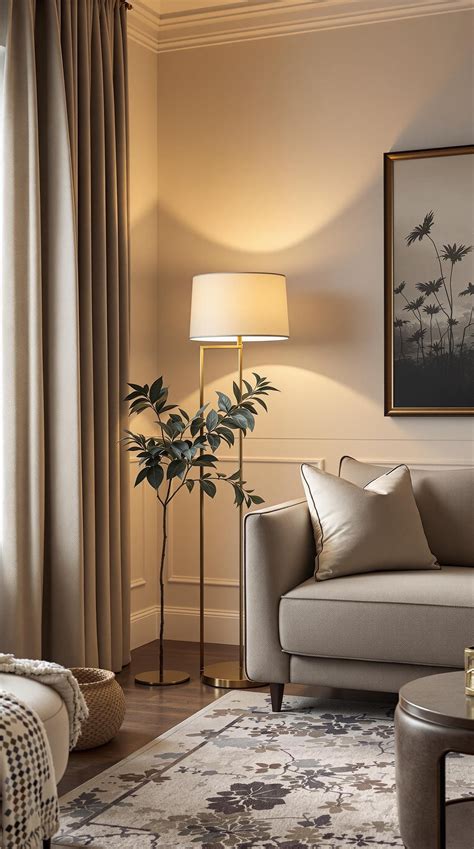
Relying solely on a single overhead ceiling fixture is a surefire way to make a living room feel flat and sterile. A well-designed U.S. living room incorporates three distinct layers of illumination: ambient, task, and accent lighting. Ambient light provides overall brightness through ceiling fixtures or large floor lamps. Task lighting supports specific activities like reading or working, which can be achieved through adjustable desk lamps or targeted reading lights beside your favorite armchair. Accent lighting adds warmth by highlighting architectural features, artwork, or bookshelves.
For renters who cannot hardwire new wall sconces or overhead pendants, plug-in wall sconces with transparent cords or clever cord covers offer a stylish workaround without violating lease agreements. Smart bulbs plugged into standard floor lamps also allow you to adjust color temperatures from warm yellow to crisp daylight, transforming the mood of the room instantly. Homeowners have the flexibility to install dimmer switches or recessed cans, but combining portable lamps with dimmable fixtures delivers the ultimate cozy atmosphere for both long-term owners and short-term tenants.
Choosing and Sizing Textiles and Rugs
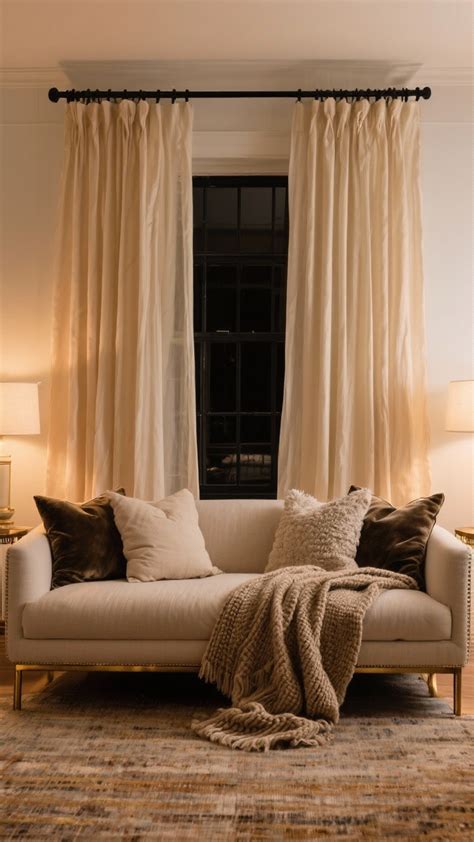
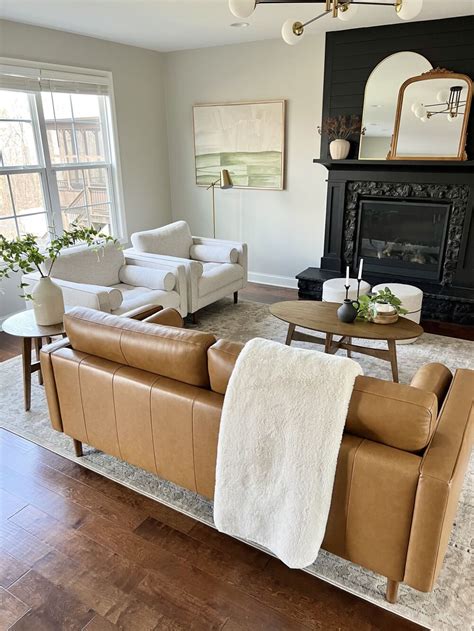
Textiles introduce color, pattern, and tactile warmth, softening hard architectural surfaces like drywall and hardwood floors. When selecting an area rug, a frequent error is choosing a size that is too small, which visually chops up the room and makes furniture look disconnected. In an ideal living room layout, all major furniture pieces—including the sofa and accent chairs—should sit entirely on the rug, or at minimum, have their front legs resting comfortably upon it. Standard U.S. living rooms typically require an 8×10 or 9×12 rug to achieve this anchored proportion.
Layering window treatments also elevates the aesthetic value of your living room. Hanging curtain rods high and wide—several inches above the window frame and extending past the glass—creates the illusion of soaring ceilings and larger windows. Renters can use heavy-duty tension rods or damage-free bracket anchors to support floor-length linen or velvet curtains without drilling into plaster or drywall. Pair these window treatments with washable throw pillows and heavy knit blankets to easily update your color palette across seasonal shifts.
Creating and Styling Focal Points
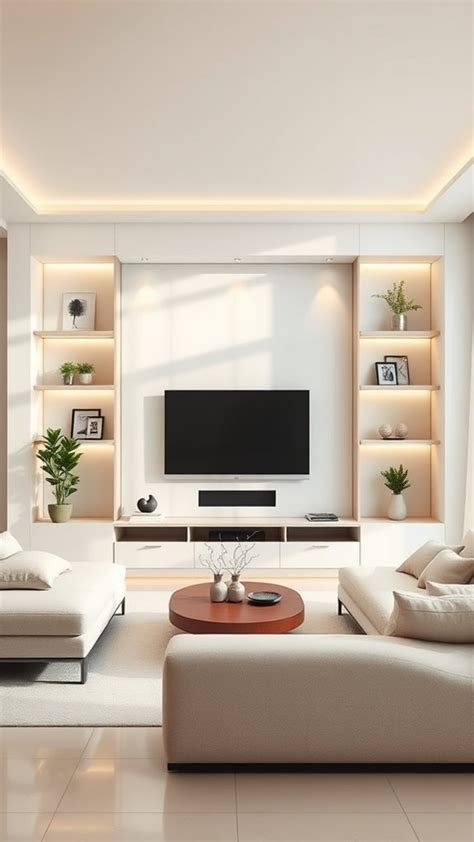
Every well-designed living room needs a natural focal point that draws the eye upon entering the space. In traditional American homes, this is frequently a fireplace or a large picture window with a view. If your living room lacks a built-in architectural feature, you can easily manufacture a focal point using a media console, a statement piece of oversized artwork, or a carefully curated bookshelf display. Group objects in odd numbers and vary their heights to create visual interest and dynamic asymmetry.
Homeowners have the liberty to construct custom built-ins or install permanent shiplap and accent walls to anchor the room. Conversely, renters can achieve a similar high-end look using non-permanent alternatives like peel-and-stick wallpaper, large leaning mirrors, or gallery walls mounted with heavy-duty adhesive strips. By focusing on vertical space rather than just floor arrangements, you draw the eye upward and distract from less desirable architectural quirks like awkward vents or exposed radiators.
Frequently Asked Questions
How can renters upgrade their living room without losing their security deposit?
Renters can dramatically transform their living rooms safely by utilizing peel-and-stick wallpaper, damage-free adhesive wall hanging strips, tension rods for floor-length curtains, and plug-in lighting fixtures. These non-permanent modifications can be easily removed and reversed before moving out, preserving your security deposit while allowing you to personalize your space.
What are the best layout strategies for small U.S. apartments versus large suburban homes?
Small apartments benefit from multi-functional furniture, floating layouts that avoid blocking pathways, and apartment-scaled seating to prevent overcrowding. Large suburban homes, conversely, often require floating furniture arrangements inward to break up vast open-concept floor plans, utilizing large area rugs to establish distinct functional zones for conversation and media viewing.
How do I choose the right rug size for my living room furniture?
The golden rule for living room rugs is to ensure they are large enough to accommodate your furniture grouping. Ideally, all four legs of your main seating pieces should rest on the rug. If space or budget permits a smaller option, ensure at least the front legs of your sofa and chairs sit securely on the rug to tie the conversation area together.
What are budget-friendly ways to create a focal point in the living room?
If your room lacks a natural focal point like a fireplace or large window, you can create one affordably using a large leaning floor mirror, an oversized piece of budget-friendly art, or a styled media console. Grouping decorative objects with varying heights and textures on a single focal wall immediately catches the eye and organizes the room’s visual weight.